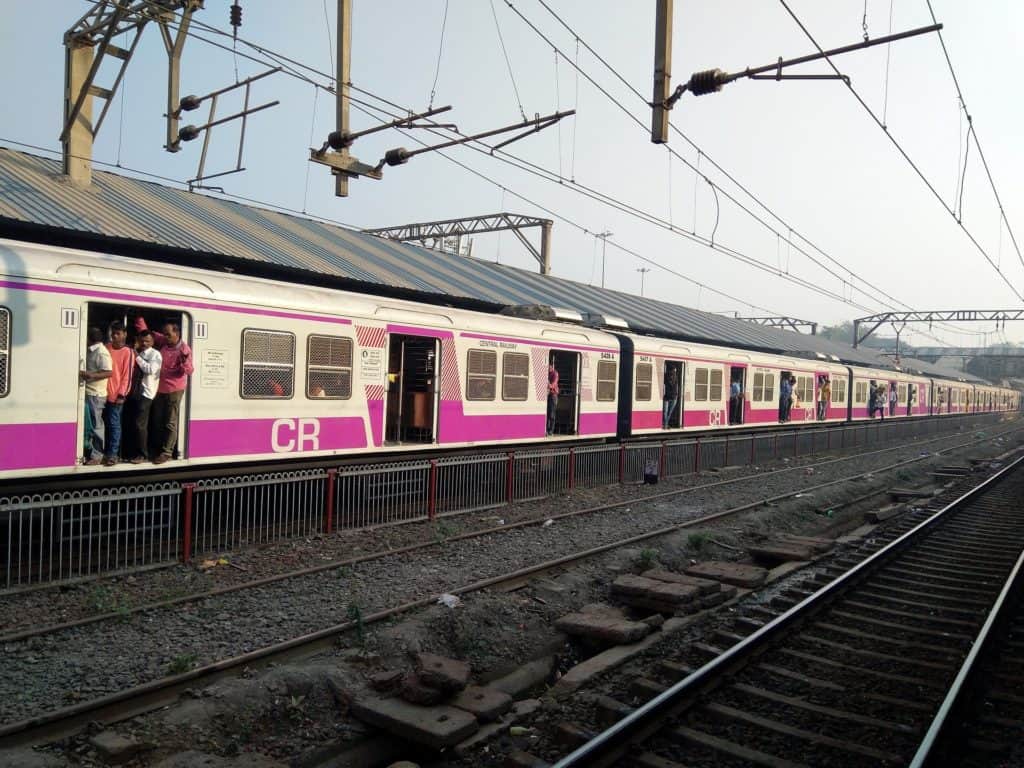
A new analysis of Mumbai’s mobility landscape has revealed that nearly one-third of the city’s residents remain underserved by public transport despite the expansion of metro corridors and the long-standing presence of suburban rail. The findings, drawn from a detailed study conducted by researchers from a leading technology institute, highlight structural inequalities in accessibility and point to urgent gaps in last-mile connectivity, especially in low-income neighbourhoods.
According to the research team, 31.8% of the city’s population—equivalent to almost four million residents—live in areas categorised as having “poor access” to public transport. The assessment mapped proximity to bus stops, metro stations, and suburban rail, alongside service frequency, reliability, and the ease of reaching these networks. The conclusion: even with significant investment in high-capacity systems, mobility benefits are unevenly distributed. The study further identified severe “transit gaps”, where demand for services outweighs availability. More than half of Mumbai’s population, an estimated 6.5 million people, fall within these high-gap zones, indicating high dependency on public transport but inadequate supply. Another 13.6% live in what the researchers term “transit deserts”, where both access and frequency are minimal. An infrastructure planner familiar with the findings noted that these areas often lack consistent bus routes or usable pedestrian infrastructure, making everyday mobility difficult.
The disparities are more pronounced when comparing formal and informal settlements. While around one-third of the non-slum population enjoys reasonably strong transport access, the figure drops to 17.3% for residents of informal settlements. The study’s Social Vulnerability Index (SVI), which maps socio-economic conditions, showed that 32.5% of vulnerable communities live in areas with both low accessibility and high transit gaps. Neighbourhoods in the eastern and northern suburbs—such as parts of Govandi, Bhandup, Malad, and Mulund—consistently performed poorly in the analysis. Transport experts say the findings underscore a long-standing challenge: large-scale projects alone do not automatically translate into equitable mobility. While the metro network is expanding and suburban rail remains a backbone for millions, the absence of strong feeder systems prevents many residents from benefiting fully. Last-mile connectivity—whether through pedestrian pathways, cycle routes, or frequent local buses—remains weak across several wards. A mobility expert remarked that “infrastructure without accessibility ultimately deepens exclusion rather than reducing it”.
The researchers argue that city agencies need to shift from uniform system expansion to targeted interventions that prioritise underserved communities. Strengthening bus services, designing safer walking routes, and improving coordination between planning agencies could help close the gap. They also emphasised that integrated mobility planning is essential for building more sustainable, low-carbon transport ecosystems—an area where Mumbai has significant potential but uneven progress. As Mumbai continues to build new metro lines and upgrade existing corridors, the study serves as a reminder that equitable access, not just infrastructure rollout, must guide future mobility policy. Addressing these disparities will be crucial to ensuring that the city’s transport network supports inclusive, climate-conscious, and resilient urban development.
Mumbai Report Shows One Third Citizens Still Without Reliable Public Transport Options