


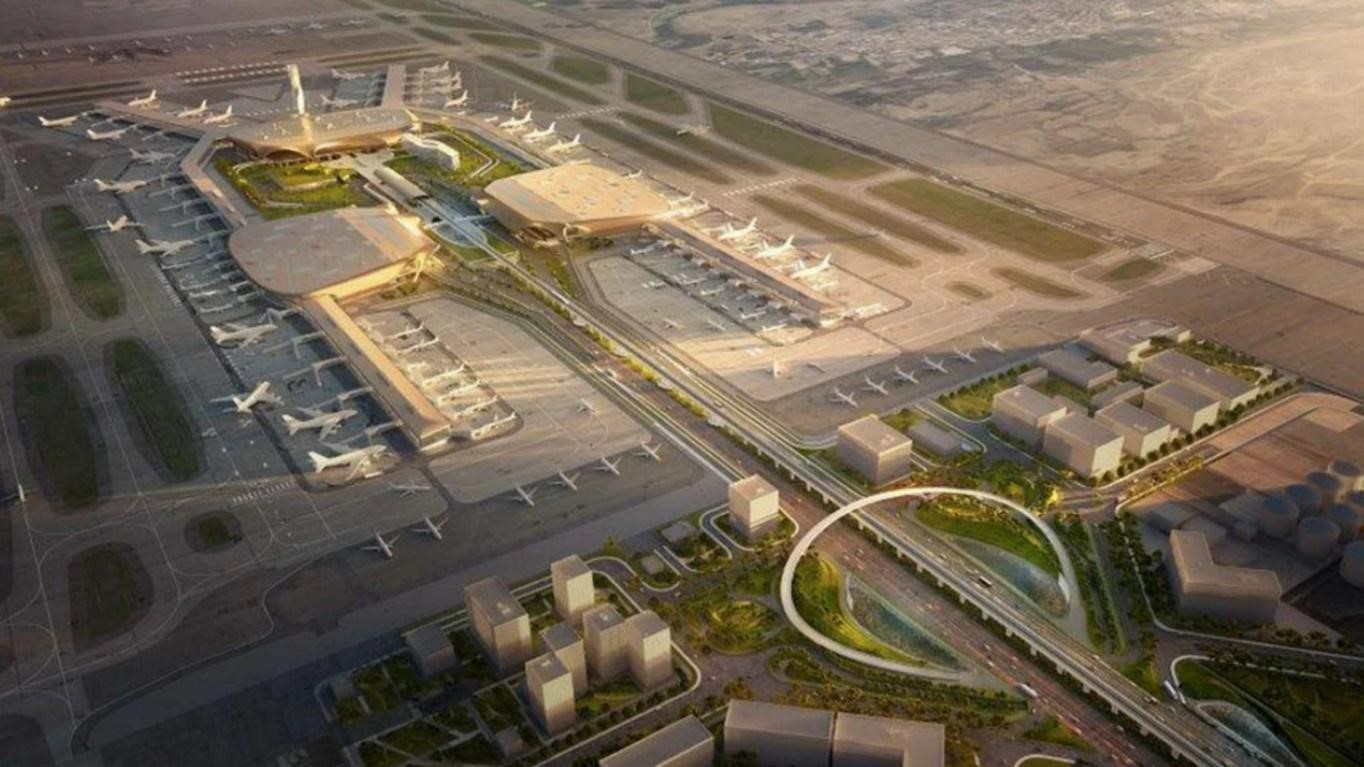
Navi Mumbai International Airport (NMIA) is poised for a significant milestone, with flights anticipated to commence in September. This colossal infrastructure project, spearheaded by the Adani Group, represents a transformative leap in Mumbai’s urban development, promising to alleviate air traffic congestion and enhance global connectivity. Its strategic launch underscores a critical commitment to fostering sustainable, eco-friendly, and equitable urban growth, positioning the Mumbai Metropolitan Region as a beacon for future-ready cities in India.
The confirmation of the September operational timeline, conveyed by the Adani Group to the state’s Public Undertakings Committee, marks a pivotal moment for the aviation sector. Initial plans for a May or June 2025 launch were revised to ensure the complete readiness of the terminal facilities. This meticulous approach to project completion reflects a dedication to delivering a world-class aviation hub capable of handling the projected immense passenger and cargo volumes. With approximately 13,000 employees engaged in the construction, NMIA is also a significant driver of direct and indirect employment, underpinning economic vibrancy.
NMIA is designed with an impressive ultimate capacity to manage 90 million passengers and 3.02 million tonnes of cargo annually. The first phase alone is engineered to accommodate 20 million passengers and 800,000 tonnes of cargo, featuring a Code-E runway, parallel taxiways, a primary terminal, a dedicated cargo terminal, and extensive supporting facilities. This robust capacity is critical for a megacity like Mumbai, which annually hosts over nine crore tourists, and is essential for maintaining its status as a leading global financial and commercial centre.
The decision to launch both international and domestic flights concurrently from the outset signifies a strategic move to immediately maximise the airport’s utility and impact. This unified approach aims to streamline operations and provide comprehensive services to travellers from day one, bolstering Mumbai’s standing as a premier global gateway. Furthermore, modern airport designs, including NMIA, increasingly integrate sustainable practices, from energy-efficient terminal buildings and waste management systems to potential renewable energy sources, thereby contributing to the broader goal of zero-net carbon urban infrastructure.
Beyond its direct aviation function, NMIA serves as a powerful catalyst for regional development, extending the benefits of enhanced connectivity to the broader Mumbai Metropolitan Region. Improved air access will stimulate tourism, facilitate business expansion, and create new economic opportunities across diverse sectors, fostering more equitable growth. The accessibility offered by a world-class airport can also promote gender-neutral mobility, enabling easier travel for professional and personal needs, which is vital for the empowerment and participation of all citizens in the city’s progress.
The impending inauguration of the Navi Mumbai International Airport is more than just the opening of a new transport hub; it symbolises Mumbai’s enduring vision as a forward-looking, globally integrated, and sustainably developed metropolis. While the symbolic opening on a notable date adds to its public appeal, the enduring legacy will be its contribution to a greener, more connected, and prosperous future, where cutting-edge infrastructure serves the comprehensive needs of a dynamic and diverse population.
Also Read: Ethiopian Airlines Flight Makes Emergency Landing After Cabin Pressure Loss
