Mumbai Region Suraksha Smart City Delivers PMAY Homes
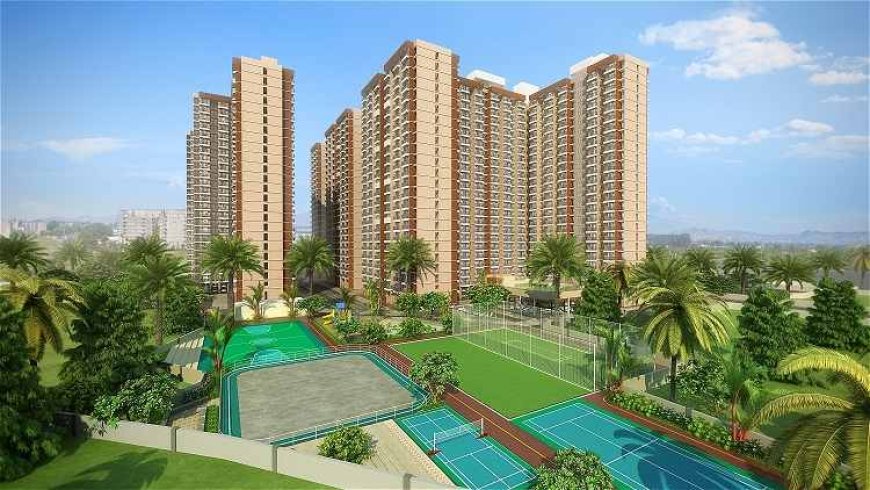
The Mumbai Metropolitan Region (MMR) is poised to register one of its largest affordable housing rollouts this year as a major integrated township project in Vasai, Maharashtra, initiates phased deliveries of 5,868 homes under the Pradhan Mantri Awas Yojana (PMAY) for Economically Weaker Section (EWS) families. This transitional milestone underscores critical progress in bridging the urban housing deficit, aligning with wider state and national efforts to make home ownership attainable for lower-income groups in high-growth urban corridors.
The distribution will occur in phases across Phase 1 of the township’s development, with homes handed over building-by-building rather than en bloc. Industry planners say this incremental delivery model could become a template for large-scale affordable housing in expanding metropolitan peripheries, helping balance quality assurance, infrastructure activation and community formation at scale.The township’s location — near a major commuter rail station — positions it strategically within transit-connected growth zones, potentially easing daily mobility burdens for residents while reinforcing transit-oriented development objectives. Urban planners note that proximity to rail and public infrastructure often increases resilience and employment access for EWS households, allowing cost savings on transport and enabling deeper integration into regional labour markets.
Construction methodology has also drawn attention. The township has leveraged advanced manufacturing techniques like precast elements and mechanised assembly, which are increasingly viewed as more sustainable and efficient than traditional building practices. These methods not only shorten delivery cycles but also reduce on-site waste and disruption — a matter of significance in densely populated regions like the MMR where conventional construction impacts local air quality, labour safety, and surface traffic.Affordability remains central: 1-BHK units in this phase are structured with subsidies aligned to the central housing scheme and require a manageable personal contribution, enhancing feasibility for first-time home buyers. Generic housing sector analysts expect that a visible handover of keys this year could stimulate greater confidence among eligible applicants and may catalyse similar projects in other satellite cities across Maharashtra.
However, stakeholders also caution that delivering affordable housing at this scale introduces operational stressors. These include ensuring reliable utility supply, quality of public spaces, long-term governance of common assets, and alignment with local infrastructure capacities. Equitable growth is not just about delivering units but ensuring they remain liveable over decades.
As these first 5,868 homes transition to resident occupancy, attention will shift to how such precincts — once handed over — integrate with broader city systems in transport, schools, healthcare and economic activity. The coming months will be a litmus test for both the project’s execution strategy and the evolving affordable housing landscape across India’s fast-growing urban peripheries.