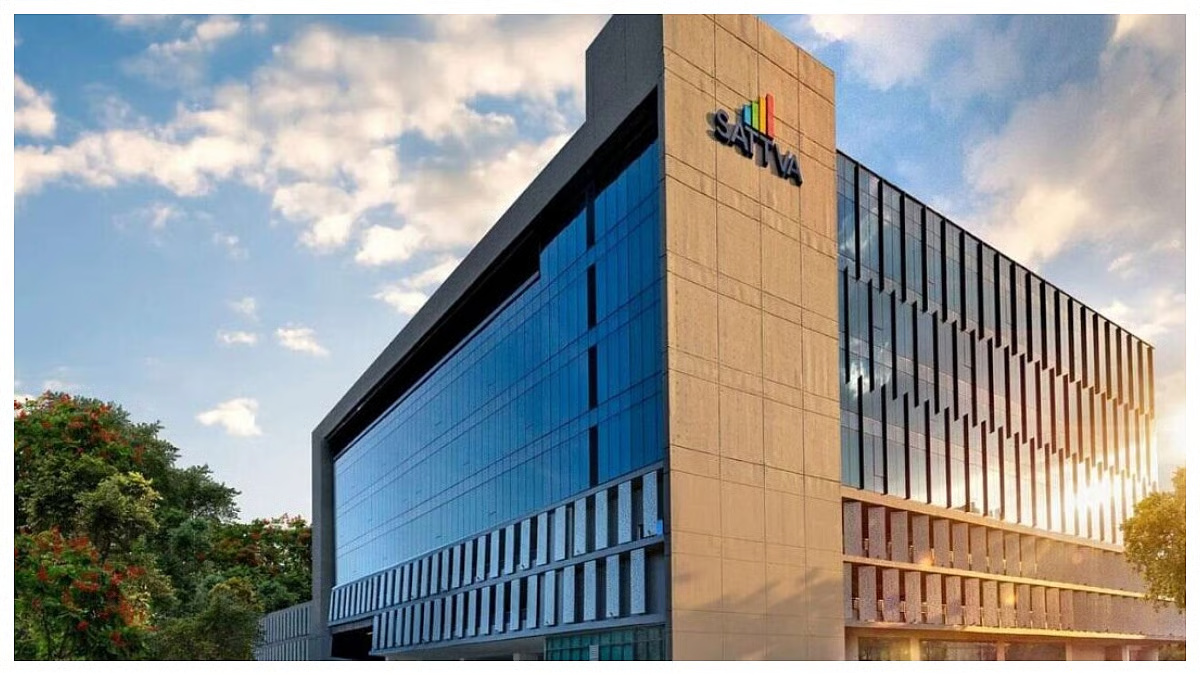
Mumbai Region Sees Surge In Sattva Urban Redevelopment
Mumbai’s real estate and urban infrastructure landscape is set to see a significant boost as Bengaluru-based Sattva Group accelerates its expansion into the Mumbai Metropolitan Region (MMR), bringing over 8 million square feet of redevelopment projects valued at nearly ₹11,000 crore to one of India’s most challenging built environments. This marks a noteworthy shift in how established developers are responding to intensifying urban density, ageing building stock and the need for inclusive, climate-ready neighbourhoods.
The portfolio spans six mixed residential and commercial redevelopment initiatives across strategic micro-markets such as Parel, Prabhadevi, Goregaon East, Vile Parle and Powai — corridors central to Mumbai’s housing affordability and employment accessibility. Scheduled to begin construction in 2026 with phased delivery through 2032, these projects will provide thousands of new homes while addressing the pressing demand for safer, modern building stock in areas long constrained by land scarcity and infrastructure stress.Urban planners see this move as emblematic of a broader recalibration in Indian cities toward renewal rather than sprawl. As metropolitan centres grapple with climate stresses, infrastructure limitations and social inequities, redevelopment — particularly of transit-oriented, centrally located sites — can unlock significant sustainability gains. Retrofitting or replacing ageing structures with energy-efficient buildings cuts carbon emissions over their lifecycle, reduces pressure to expand into greenfield peripheries, and creates homes closer to jobs and services, enhancing liveability.
Sattva’s entrance into MMR also resonates with evolving regulatory frameworks. Proposed refinements to Mumbai’s Development Control and Promotion Regulations (DCPR) aim to streamline guidelines for Slum Rehabilitation Authority (SRA), Maharashtra Housing and Area Development Authority (MHADA) and society-led redevelopment, improving project viability while protecting community interests. For developers, this creates clearer pathways to integrate rehabilitation units with market housing, supporting inclusive redevelopment outcomes that balance equity and commercial sustainability.Industry experts highlight that such large-scale redevelopment schemes must be thoughtfully integrated with infrastructure upgrading and public services. Redevelopment that increases density without concurrent investment in transit, water, waste management and public spaces can exacerbate urban strain. “Effective city renewal links new housing with mobility, drainage and public amenities,” says a senior urban planner, underscoring the need for holistic planning beyond construction.
There are also economic considerations. The size and financial weight of the portfolio signal strong investor confidence in Mumbai’s long-term growth potential — even amid broader macroeconomic uncertainties. For property markets, activity at this scale can invigorate local supply chains, generate construction and allied jobs and improve market liquidity for redevelopment assets.Yet, community groups urge that redevelopment must prioritise resident voices and equitable outcomes. Rehabilitation promises must be legally safeguarded, and design approaches should reinforce social cohesion, accessibility and climate resilience — from passive cooling features to rainwater harvesting and accessible open spaces.
As Sattva gears up for this expansion, the unfolding decade will test how private developers and civic institutions align to deliver urban renewal that is not only economically viable but socially inclusive and environmentally robust.