


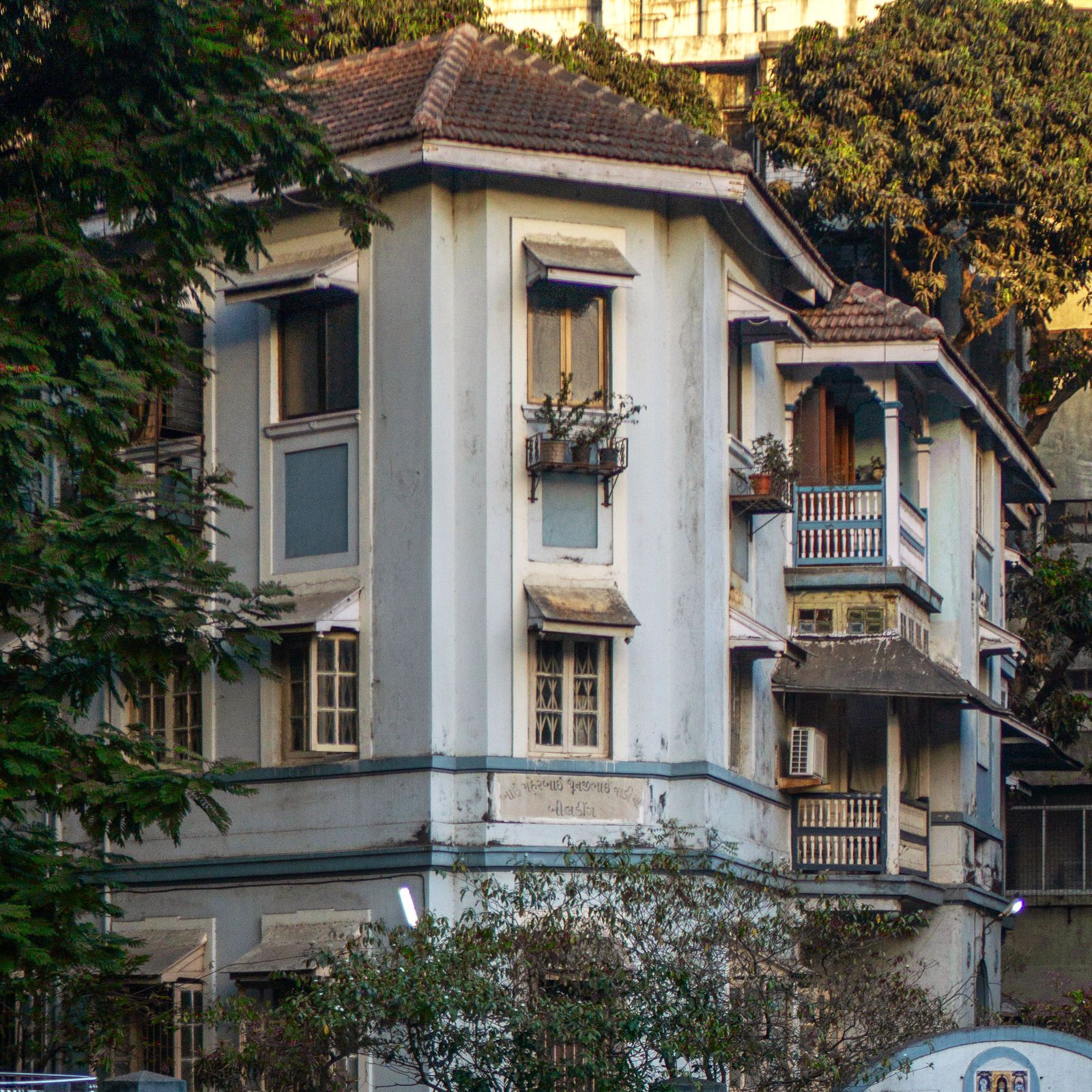
In Mumbai’s central suburbs, the quiet transformation of Dadar Parsi Colony is becoming a defining test case for how historic neighbourhoods respond to redevelopment pressure. Conceived in the 1920s as a low-rise garden suburb for Parsi families, the enclave is now witnessing a gradual rise in high-density towers raising questions about heritage, infrastructure capacity, and sustainable urban growth.
Established under the leadership of a municipal engineer and reformist corporator, the colony was designed as a model residential precinct, marked by two-storey buildings, generous setbacks, and abundant open spaces. Nearly a century later, the skyline tells a different story. Over the past 15 years, several bungalow plots and low-rise homes have been replaced with luxury towers, reflecting the wider redevelopment trend reshaping Mumbai’s ageing housing stock. Urban planners note that unlike many older neighbourhoods, Dadar Parsi Colony has not seen unchecked redevelopment. The area remains governed by long-standing community covenants restricting ownership and occupancy to members of the Parsi Zoroastrian community. These legal safeguards, dating back to a 999-year lease arrangement from the colonial era, have slowed speculative buying and limited large-scale consolidation of land parcels. Yet change has been unmistakable. Local estimates suggest that roughly 25 to 30 new towers have emerged within the colony and adjoining Matunga pockets, altering building heights and intensifying pressure on roads, drainage, and civic amenities. An urban designer familiar with the precinct said the current planning framework protects individual heritage buildings but inadequately addresses landscape elements such as tree canopies, street widths, and sunlight access features central to the colony’s liveability.
Residents describe a growing tension between renewal and preservation. While redevelopment offers safer structures, improved amenities, and higher land utilisation, it also risks eroding the environmental qualities that once defined the precinct. Narrow roads, increased traffic, and repeated civic works have strained local infrastructure, according to long-term residents. Architects working in the area argue that the real opportunity lies in moving beyond plot-by-plot redevelopment. A precinct-led approach integrating heritage sensitivity, green cover protection, and infrastructure upgrades could allow neighbourhoods like Dadar Parsi Colony to evolve without losing their social fabric. “Density need not come at the cost of dignity,” said one urban regeneration expert. There are also calls to formally document the colony’s cultural and architectural history, with some residents advocating for global heritage recognition. Such efforts, they argue, could help frame redevelopment within clearer conservation guidelines rather than outright resistance.
As Mumbai continues its vertical expansion, the experience of Dadar Parsi Colony redevelopment underscores a broader urban dilemma: how to reconcile housing demand with climate resilience, community identity, and inclusive city-making. The choices made here may well influence how other historic precincts adapt to the pressures of a rapidly densifying metropolis.
Also Read: Mumbai Sumitomo Realty Valuation After Pivot And Two For One Stock Split
Mumbai Redevelopment Creeps In Yet Dadar Parsi Colony Retains Green Heritage Charm
