


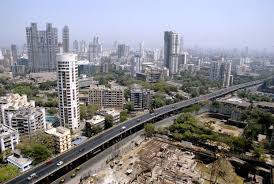
Mumbai’s long-running cycle of urban renewal is entering a new phase as a southern India–based real estate developer makes a significant entry into the Mumbai Metropolitan Region with a multi-location redevelopment portfolio. The move underscores growing confidence in Mumbai’s redevelopment-led growth model at a time when the city faces mounting pressure to replace ageing housing stock with safer, more efficient urban forms.
According to industry estimates, the newly announced portfolio spans several central and suburban locations across Mumbai, combining residential rehabilitation, new housing supply and commercial development. Together, the projects represent one of the larger recent redevelopment commitments by a non-Mumbai developer, reflecting the city’s expanding appeal beyond legacy local players. Urban planners point out that Mumbai’s redevelopment pipeline is no longer limited to isolated society projects. Instead, it is evolving into a citywide restructuring exercise driven by structural safety concerns, land scarcity and the need to modernise infrastructure without outward sprawl. Thousands of buildings across the island city and inner suburbs are approaching or have exceeded their intended life span, raising urgency around comprehensive renewal. The latest entry focuses on redevelopment rather than greenfield construction, aligning with Mumbai’s constrained land geography. Officials familiar with redevelopment approvals say such projects play a dual role: they deliver replacement housing for existing residents while also adding new inventory to areas with established transport links, employment hubs and civic services. This approach reduces pressure on peripheral expansion and limits the environmental cost of long-distance commuting.
From a housing perspective, redevelopment-led supply is increasingly viewed as critical to stabilising Mumbai’s residential market. Rehabilitation housing for displaced residents forms a substantial part of most projects, while new homes cater to end-users seeking proximity to workplaces in central and western suburbs. Analysts note that demand remains resilient in well-connected locations, even as buyers become more sensitive to project timelines and developer credibility. Policy changes are also shaping the redevelopment landscape. Planned updates to development regulations are expected to improve feasibility across multiple models, including slum rehabilitation, state housing authority stock and cooperative society-led redevelopment. These refinements are likely to favour developers with strong balance sheets, execution capacity and experience managing complex stakeholder negotiations. However, urban economists caution that redevelopment must be paired with parallel investments in water systems, open spaces, public transport capacity and climate resilience. Without integrated planning, increased density could strain already stretched civic infrastructure. There is also a growing call for redevelopment projects to adopt lower-carbon construction practices and inclusive design standards that address accessibility and liveability.
As Mumbai accelerates its redevelopment cycle, the entry of new national players signals confidence in the city’s long-term urban fundamentals. The coming decade will test whether this wave of investment can deliver not just newer buildings, but a more resilient, equitable and people-centred Mumbai.
Also Read: Bengaluru real estate draws returning Indians
Mumbai redevelopment attracts new national developers
