Mumbai records wettest August day with 200mm rain overnight
Mumbai experienced its wettest August day since 2020 after a torrential downpour lashed the city overnight, with several neighbourhoods recording over 200 mm of rainfall. The sudden cloudburst triggered severe waterlogging, disrupted transport, and caused a fatal landslide in the eastern suburb of Vikhroli, highlighting once again the fragile balance between extreme weather events and the city’s preparedness to withstand them.
The India Meteorological Department (IMD) upgraded its warning from orange to red late on Friday, citing the strengthening of a low-pressure system along the Arabian Sea. The heavy rain peaked between 1 am and 4 am, when Santacruz logged over 244 mm—the highest single-day August rainfall since 2020. Suburban pockets such as Marol, Vikhroli and Sion were particularly battered, while areas like Hindmata in central Mumbai once again resembled waterlogged lakes.
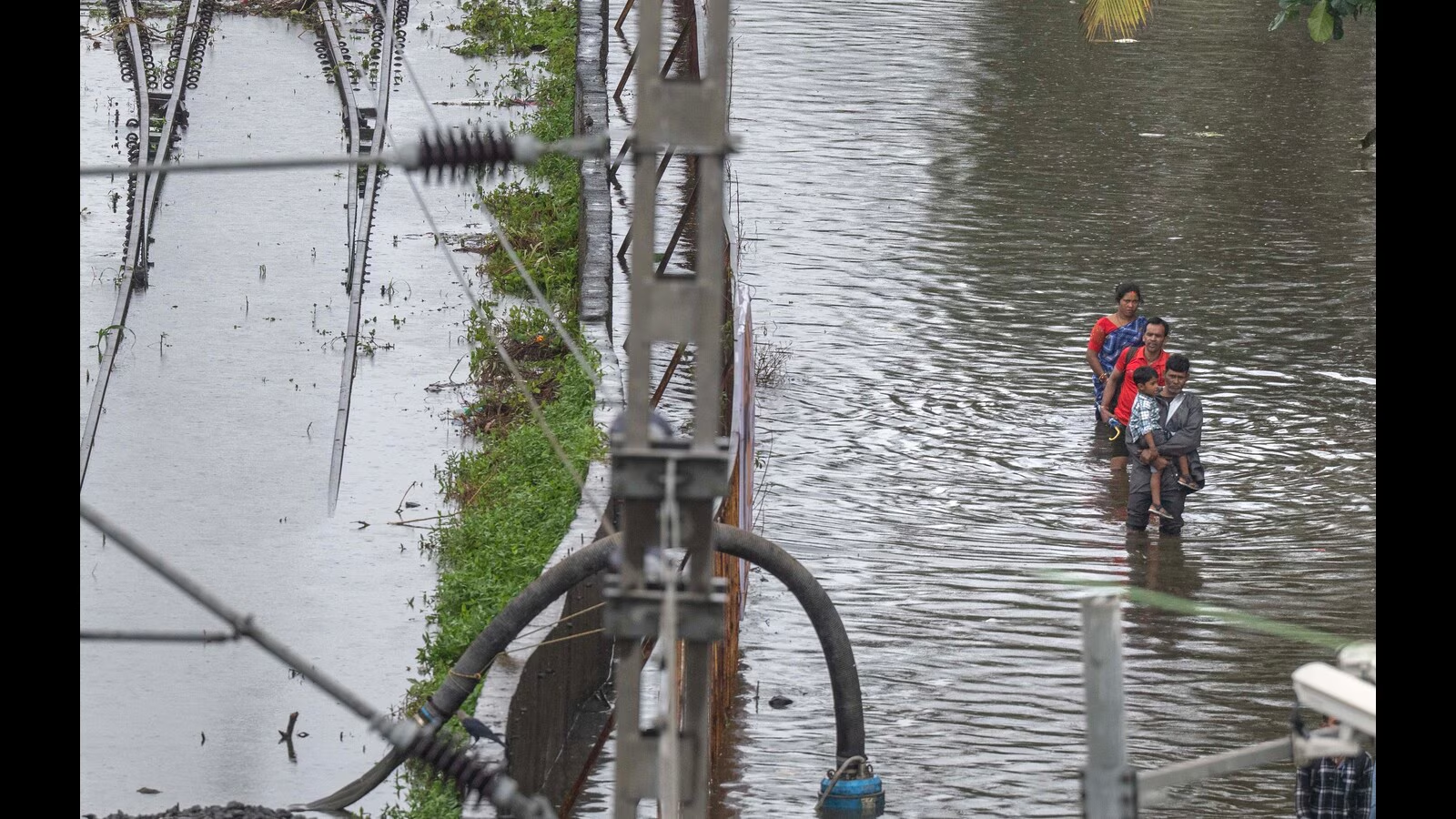
The intensity of the rain exposed the limits of urban drainage, with roads in Sakinaka and Jogeshwari submerged, vehicles stranded in Chunabhatti, and major underpasses closed due to flooding. Dewatering pumps were deployed by the civic authority, yet images of waist-deep water in several suburbs pointed to the long-standing need for resilient stormwater management. Transport was severely affected. The Central and Harbour lines slowed considerably, while bus services struggled against flooded roads. Air traffic too suffered: over a dozen flights were forced into go-arounds, and two were diverted before returning once conditions eased. An aircraft even suffered a tail strike during landing, underlining the risk posed by sudden bursts of intense weather on critical infrastructure.
The disaster’s human toll was most visible in Vikhroli, where a landslide in the early hours claimed two lives and injured two others. As the city mourned the loss, experts reiterated that rapid urbanisation, deforestation, and poor slope management in vulnerable areas have made landslides more frequent during intense spells of rain. Officials confirmed that reservoirs supplying water to the metropolis have reached over 90 per cent capacity, with Tulsi Lake overflowing by Saturday evening. While this eases water scarcity concerns, it raises questions on whether the city can manage excess rainfall without recurrent flooding.
Meteorologists warn that such extreme rainfall is no longer an anomaly but a trend amplified by climate change. For a city like Mumbai, which is both India’s financial hub and among the world’s most climate-vulnerable urban regions, the event is a stark reminder that resilience planning must go beyond immediate relief and tackle long-term adaptation. The IMD has retained an orange alert for the city until Tuesday, before a predicted downgrade. For now, the rain has eased, but the larger challenge lies in ensuring that the city’s future is equipped to handle such climate extremes without recurring loss of lives, livelihoods, and mobility.