


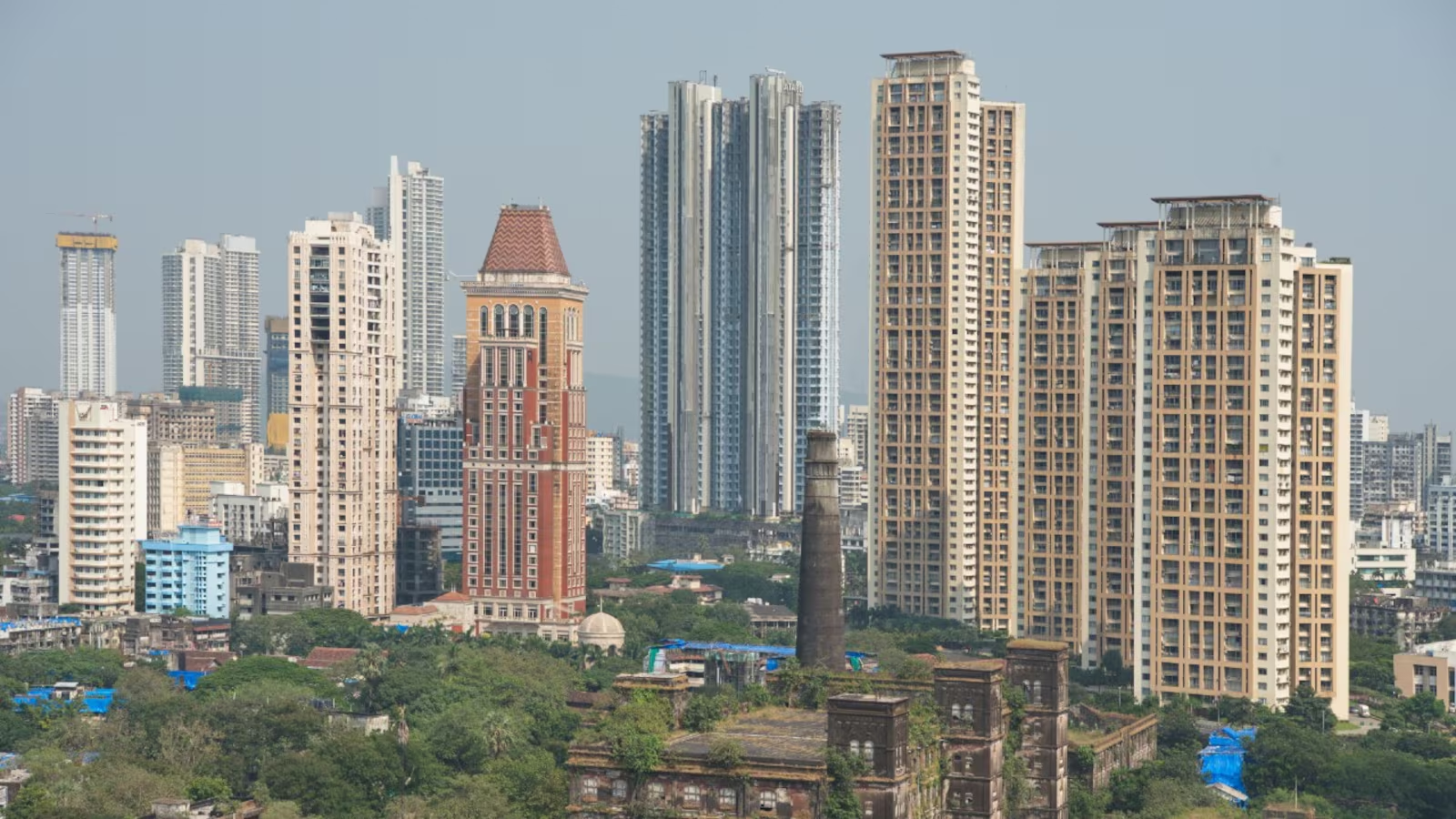
A high-value housing transaction in Worli has once again underscored the rising concentration of capital in Mumbai’s premium real estate corridor. A recent purchase of a luxury residence valued at Rs 66 crore adds to a series of large-ticket acquisitions signalling sustained confidence in one of the country’s most exclusive urban micro-markets. The deal highlights how wealth consolidation, infrastructure expansion and limited coastline supply continue to elevate property benchmarks in South Mumbai.
According to publicly available registration data, the residence spans more than 5,500 sq ft of registered carpet area with an additional balcony space, placing it firmly within the city’s rapidly expanding ultra-luxury bracket. Market analysts noted that the price translates to well over Rs 1 lakh per sq ft, a figure increasingly common along Worli’s sea-facing stretch. An industry expert said the neighbourhood’s reputation as a “stable wealth address” has strengthened over the past five years, outpacing price appreciation in most Indian metros. Sector specialists observe that rising demand for large-format homes, once considered niche, reflects broader shifts in urban living preferences in Indian megacities. Remote work patterns, higher disposable incomes among new-generation business families, and limited modern inventory in South Mumbai have collectively fuelled the surge. A consultant tracking the segment noted that domestic buyers now dominate transactions, reversing an earlier trend when NRIs played a leading role.
Worli’s performance is particularly striking. Recent reports from property consultancies estimate that nearly half of all residential deals above Rs 40 crore in India originate from this precinct alone. Over the past two years, cumulative sales in this category have crossed Rs 5,500 crore, supported by marquee transactions surpassing Rs 100 crore each. Several experts attribute this activity to the rapid transformation of the area into a mixed-use waterfront district shaped by new metro connectivity, coastal infrastructure proposals and ongoing redevelopment activity. The neighbourhood’s pricing trajectory has placed it among India’s most aspirational residential clusters, although this growth has also reignited concerns about affordability and spatial exclusion in a city grappling with sharp housing disparities. Urban planners caution that while luxury investments strengthen municipal revenues and spur redevelopment, Mumbai’s long-term resilience depends equally on scaling equitable housing initiatives and encouraging low-carbon urban design across all income segments.
Despite these challenges, the luxury housing market continues to set new benchmarks. With more infrastructure upgrades in the pipeline including the much-anticipated metro corridor linking Bandra Kurla Complex and Worli analysts expect sustained demand for high-value homes. For now, Worli remains the epicentre of Mumbai’s premium residential momentum, reinforcing its role in shaping the financial capital’s evolving urban fabric.
Also Read: Mumbai Ahmedabad Bullet Train Project Opens Construction Sites For Young Engineering Students
