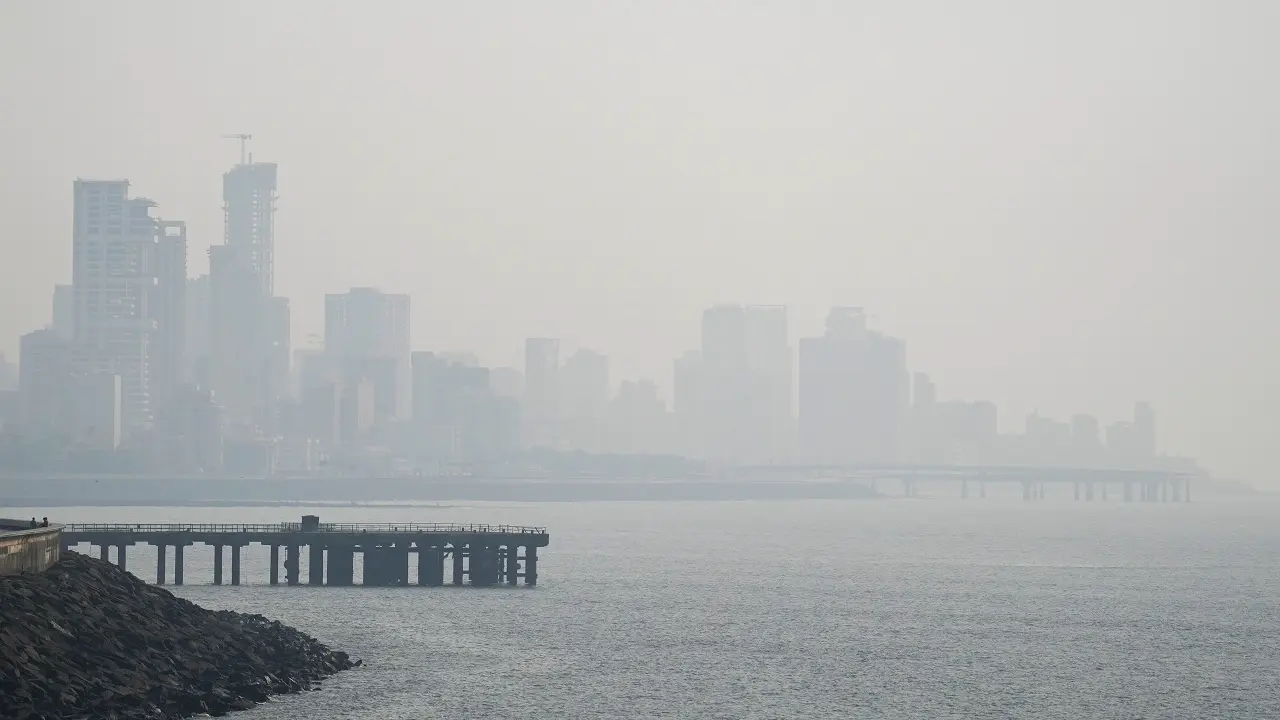
Mumbai opened to a relatively cooler and calmer morning, offering brief relief from the city’s typically humid climate and highlighting the growing relevance of weather stability and air quality in daily urban life. The mild conditions were observed across key parts of the city, underlining how seasonal shifts continue to influence mobility, health, and outdoor activity in India’s financial capital.
Meteorological observations indicated lower early-morning temperatures compared to recent weeks, creating comfortable conditions for commuters, street-level workers, and residents engaged in outdoor routines. Urban planners and climate observers note that such mornings, while familiar in winter months, are becoming less predictable due to changing weather patterns linked to climate variability. Weather monitoring agencies forecast daytime temperatures to remain within the low thirties, with night-time readings staying significantly cooler. Coastal stations across the city recorded variations in minimum temperatures, reflecting Mumbai’s microclimatic differences shaped by land use, density, and proximity to the sea. These fluctuations have implications for energy demand, particularly residential electricity use tied to cooling.
Beyond temperature, air quality remained within acceptable limits across most monitoring stations. Citywide data showed the Air Quality Index staying in the satisfactory range, a level considered manageable for the general population. However, health experts caution that even moderate pollution levels can pose discomfort for vulnerable groups, including the elderly, children, and those with respiratory or cardiac conditions. The combination of mild weather and stable air quality is significant for a city grappling with rapid construction, traffic congestion, and land-use pressure. Environmental analysts point out that favourable air readings often coincide with lower vehicular emissions during early hours and specific wind patterns that help disperse pollutants. Sustaining such conditions, however, requires structural interventions rather than seasonal luck.
From an urban economy perspective, weather comfort plays a subtle but important role. Construction productivity, informal outdoor work, and last-mile logistics tend to improve under less stressful climatic conditions. Retail footfall and public transport usage also show marginal upticks during cooler mornings, offering short-term operational benefits. Climate researchers caution that while Mumbai continues to experience brief winter-like intervals, long-term data shows a gradual rise in average temperatures and increasing frequency of heat stress days. This underscores the importance of integrating climate-responsive design in housing, transport infrastructure, and public spaces to reduce dependence on mechanical cooling.
City authorities have increasingly linked air quality management with broader sustainability goals, including cleaner mobility, dust control at construction sites, and expansion of urban green cover. Experts argue that maintaining satisfactory air quality will require year-round enforcement rather than reactive seasonal measures. As Mumbai moves deeper into the winter window, residents may continue to see intermittent stretches of comfortable weather. The challenge ahead lies in translating these temporary improvements into long-term gains through policy, planning, and behavioural change, ensuring that cleaner air and liveable conditions become the norm rather than an exception.
Mumbai Records Cooler Morning And Stable Air Quality