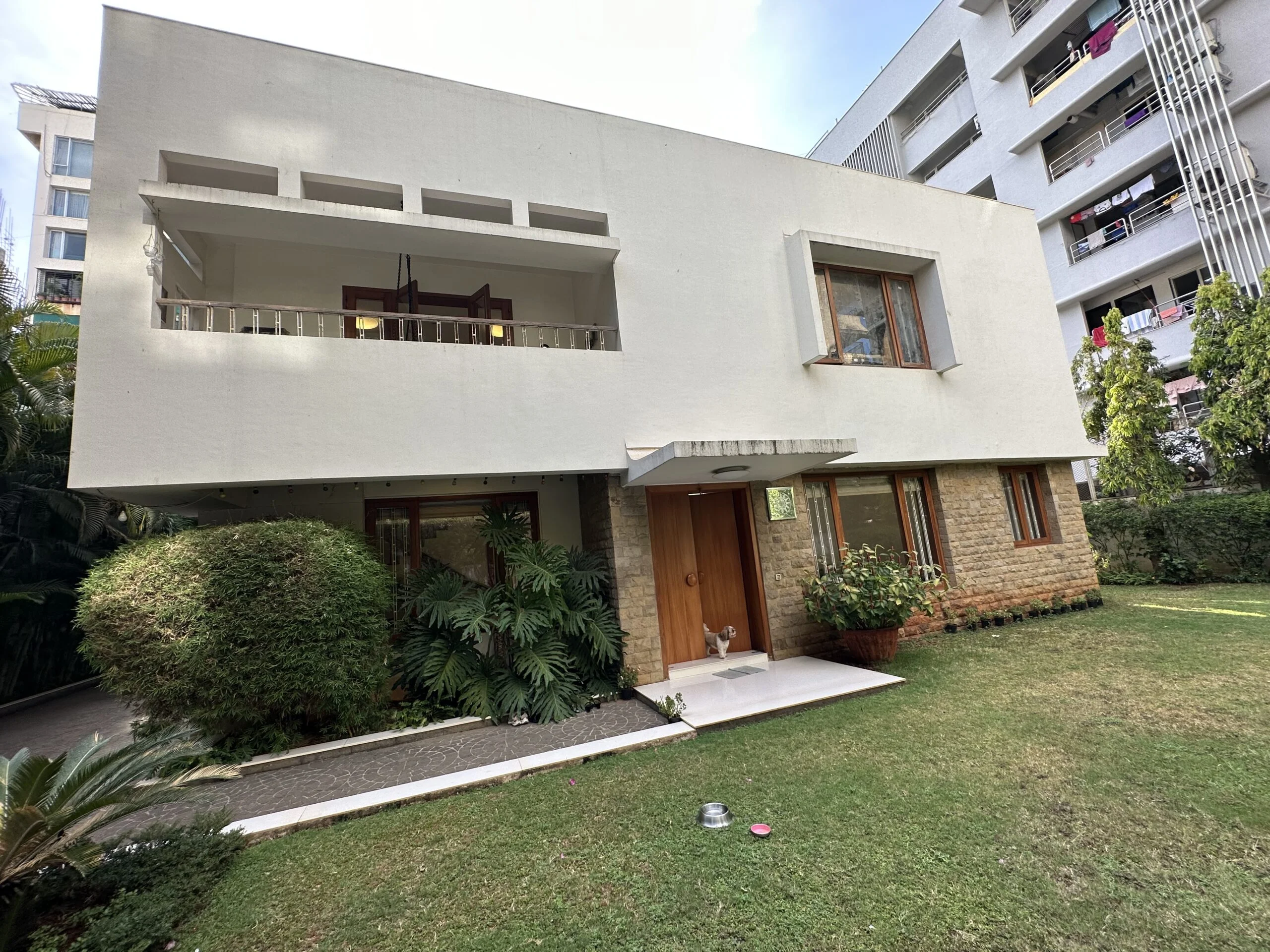
A high-value residential transaction in Mumbai’s upscale Juhu neighbourhood has underscored the continued momentum in the city’s premium housing market, with a leading national sportsperson acquiring an apartment worth over ₹20 crore. The deal reflects sustained demand for large-format homes in prime coastal districts, even as broader affordability challenges persist across the metropolitan region.
Property registration records indicate that the apartment is located on a higher floor of a luxury residential development along Juhu Tara Road, a micro-market known for its proximity to the coastline and established social infrastructure. Spanning more than 3,300 sq ft of carpet area, the residence aligns with a growing preference among high-income buyers for expansive layouts that accommodate hybrid lifestyles combining work, leisure, and privacy. Urban planners note that such transactions are not isolated events but part of a wider pattern shaping Mumbai’s real estate landscape. “Premium micro-markets like Juhu continue to attract capital due to their limited land availability and strong legacy value,” said a senior real estate consultant. “However, this also sharpens the contrast with the city’s pressing need for accessible and climate-resilient housing.”
The developer associated with the project is linked to a family with longstanding interests in entertainment and real estate, reflecting the increasing crossover between creative industries and urban development. Industry experts observe that branded or legacy-backed developments are leveraging reputation to position projects within the ultra-luxury segment, often focusing on design, exclusivity, and curated amenities.From an urban development perspective, such high-value deals highlight the concentration of wealth within a few coastal and western suburbs, while infrastructure pressures continue to mount. Juhu, despite its desirability, faces recurring challenges including flooding risks, traffic congestion, and strain on civic services issues that planners argue require integrated, climate-sensitive interventions. At the same time, the transaction signals resilience in Mumbai’s top-end housing segment, even amid fluctuating interest rates and global economic uncertainty.
Data from recent quarters suggests that luxury housing sales in the Mumbai Metropolitan Region have remained robust, driven by end-users rather than speculative investors.Experts suggest that while premium transactions contribute to revenue generation through stamp duty and taxes, a more balanced urban growth strategy is essential. “Cities must channel this economic activity into upgrading infrastructure, improving coastal resilience, and expanding inclusive housing options,” an urban policy analyst said. As Mumbai continues to evolve, the juxtaposition of high-value real estate deals and broader housing inequities is likely to remain a defining feature. The challenge for policymakers will be ensuring that growth in the luxury segment also translates into more equitable and sustainable urban outcomes.