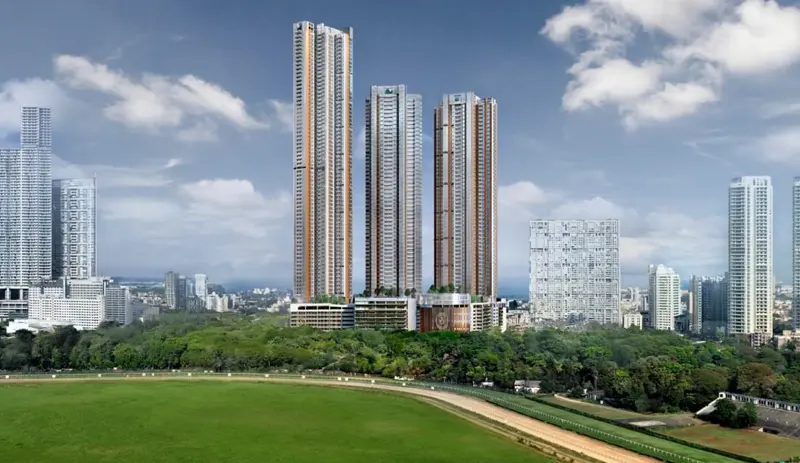
A high-value residential transaction in Mumbai’s Goregaon East has drawn attention to the city’s evolving luxury housing landscape, as business promoters from a local real estate firm acquire a large-format penthouse in a premium development. The deal, estimated at nearly ₹60 crore, reflects a broader shift in the Mumbai luxury housing market, where affluent buyers are increasingly prioritising scale, exclusivity, and integrated urban living.
Spread across more than 8,500 sq. ft., the residence is part of a branded high-rise project that is still under construction, with delivery expected in the coming year. The transaction also includes multiple dedicated parking spaces an increasingly rare and valuable feature in Mumbai’s dense urban fabric, where land scarcity continues to define both pricing and design.Industry observers note that the Mumbai luxury housing market has entered a phase of consolidation, with demand increasingly driven by domestic wealth rather than speculative investment. Business families and first-generation entrepreneurs are now emerging as key buyers, seeking homes that double as long-term assets and lifestyle statements. This trend has been particularly visible in suburban micro-markets such as Goregaon East, where improved connectivity and infrastructure upgrades have enhanced residential appeal.
Urban planners point out that this shift is not merely about rising property values but also about changing expectations from urban housing. Large, amenity-rich developments are being positioned as self-contained ecosystems, offering open spaces, energy-efficient systems, and better air circulation features that gained prominence after the pandemic. However, experts caution that such developments must align with broader sustainability goals, especially in a city vulnerable to flooding, heat stress, and infrastructure strain. The Mumbai luxury housing market also highlights a widening contrast within the city’s real estate ecosystem. While premium projects continue to command record valuations, affordable and mid-income housing segments face persistent supply and affordability challenges. Policymakers and urban economists argue that balanced growth will depend on how effectively cities can channel investments into inclusive housing and resilient infrastructure.
Goregaon’s transformation into a high-demand residential hub underscores the role of transport corridors, commercial growth, and social infrastructure in shaping property cycles. The area’s proximity to business districts and arterial road networks has made it a preferred location for high net worth individuals seeking both accessibility and relative spatial comfort. As Mumbai’s skyline continues to evolve, transactions of this scale signal confidence in the city’s long-term economic trajectory. Yet, they also bring into focus the need for responsible urban expansion where luxury development coexists with equitable access, efficient mobility, and climate-sensitive planning.