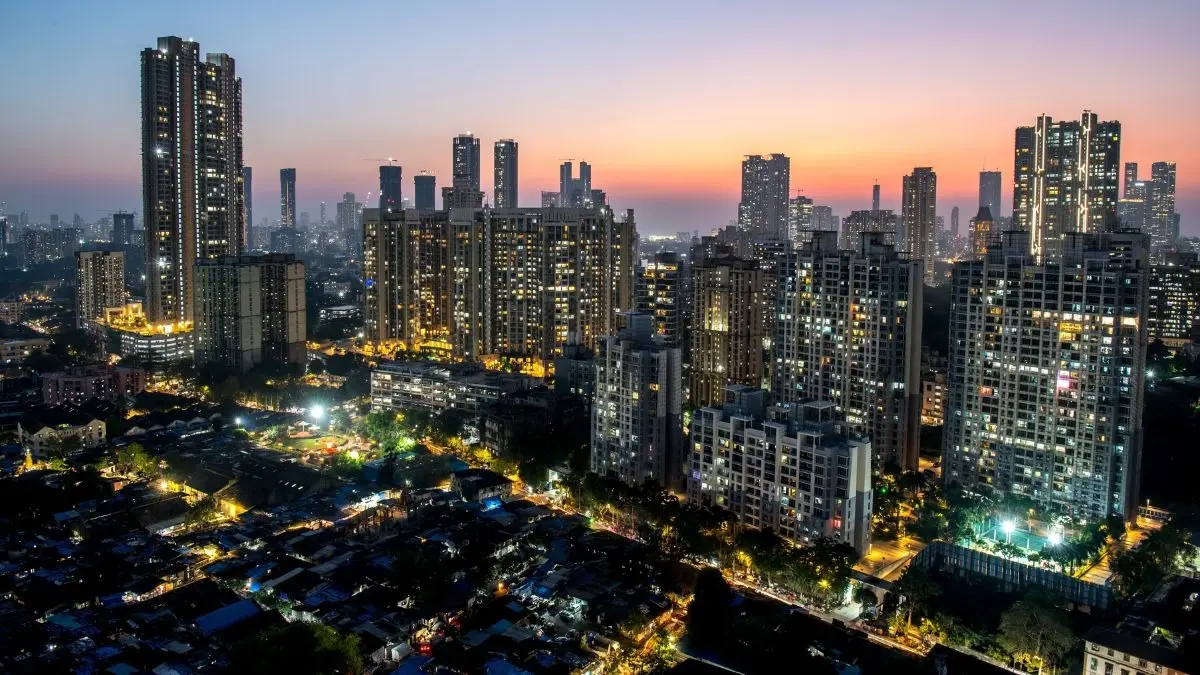
A marquee residential transaction in Mumbai’s Goregaon East has pushed price thresholds in the western suburbs, signalling a sharp upward shift in the city’s premium housing market. A triplex penthouse spanning over 8,500 sq ft has changed hands for ₹55 crore, setting one of the highest per sq ft benchmarks recorded in this micro-market.
Located along the Western Express Highway corridor, the property occupies multiple upper floors of a high-rise residential development by a listed real estate firm. Industry observers note that the deal reflects a growing appetite for large-format luxury homes, particularly those offering elevation, privacy, and integrated amenities within established urban zones.The transaction assumes significance beyond its headline value. At approximately ₹64,800 per sq ft, it surpasses prevailing rates in the Goregaon-Borivali belt, where most high-end deals have typically clustered between ₹40,000 and ₹55,000 per sq ft. According to market analysts, such outlier transactions are often driven by a combination of scarcity, premium positioning, and buyer preference for ready-to-move-in inventory in well-connected neighbourhoods.
Experts tracking Mumbai real estate trends say that the western suburbs are undergoing a gradual repositioning. Once viewed as mid-market residential hubs, locations like Goregaon East are increasingly attracting high-net-worth buyers due to improved infrastructure, proximity to business districts, and access to arterial transport networks. The expansion of metro lines and road upgrades has also contributed to reducing commute times, making these areas more competitive with traditionally premium zones in south and central Mumbai.From a policy and urban development perspective, the transaction also highlights how fiscal incentives such as stamp duty concessions for women homebuyers continue to influence purchasing decisions at the top end of the market. While such incentives are often aimed at improving inclusivity in property ownership, their uptake in high-value transactions indicates broader behavioural shifts among buyers. However, urban planners caution that rising luxury benchmarks must be viewed alongside issues of housing affordability and equitable access to city infrastructure.
As land values escalate in well-connected suburbs, there is increasing pressure on planners and policymakers to balance premium development with inclusive housing supply, particularly in a city where demand across income segments remains acute.Sustainability considerations are also entering the conversation. Large-format homes in vertical developments are expected to integrate energy efficiency, water management, and climate-resilient design features, especially as cities like Mumbai confront rising climate risks, including flooding and heat stress. While isolated, such high-value transactions often set reference points for future pricing and developer expectations. As Mumbai real estate continues to evolve, the challenge will lie in aligning market growth with long-term urban resilience, infrastructure readiness, and inclusive city-building goals.