


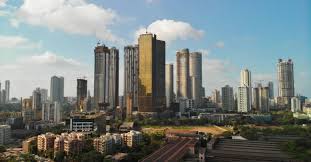
At a time when India’s real estate sector is navigating rapid expansion alongside rising execution complexity, workforce stability is emerging as a strategic differentiator. A Mumbai-based real estate developer has secured a fresh workplace culture certification for the 2026–27 period, signalling how human capital management is becoming integral to long-term urban development outcomes.
The recognition follows an independent assessment of employee experience and organisational trust indicators, highlighting internal consistency rather than market-facing performance. Industry analysts note that such certifications are increasingly being used by large developers to benchmark internal governance standards, particularly as projects grow in scale, geographic spread and regulatory exposure. In the real estate sector, where delivery timelines often stretch across decades and projects span mixed-use townships, commercial districts and social infrastructure, employee retention plays a critical role in continuity. Data released alongside the certification indicates a workforce profile marked by long tenures, suggesting reduced attrition in an industry traditionally affected by cyclical hiring and project-based staffing. Urban development experts point out that stable internal teams contribute to better institutional memory, smoother regulatory engagement and more predictable project execution. This becomes especially relevant in dense metropolitan regions such as Mumbai and its surrounding urban clusters, where redevelopment, transit-oriented growth and climate resilience place increasing technical and coordination demands on developers.
Beyond retention, the assessment also reflects a broader shift in how large real estate firms are approaching employee well-being. Structured learning frameworks, leadership training and exposure to digital tools are being positioned as necessary investments rather than discretionary benefits. In recent years, the sector has faced pressure to adapt to new technologies, sustainability standards and evolving consumer expectations, making continuous workforce upskilling essential. Mental health support systems and flexible work arrangements, once uncommon in construction-linked industries, are also gaining ground. Analysts suggest that these measures are no longer viewed solely through a human resources lens but as contributors to productivity, safety compliance and long-term organisational resilience. The certification period coincides with a phase of expansion for the developer, which operates across multiple Indian cities and sectors including residential, commercial and social infrastructure. As real estate firms diversify into healthcare, education and large-format commercial assets, internal culture and governance practices are increasingly scrutinised by institutional partners, lenders and urban authorities. From a broader city-building perspective, the emphasis on workplace culture reflects a growing recognition that sustainable urban growth is not only shaped by buildings and infrastructure, but also by the institutions that design, construct and manage them. Stable, skilled and engaged workforces are better positioned to deliver projects that respond to climate challenges, evolving mobility patterns and inclusive urban needs.
As India’s cities continue to densify and redevelopment accelerates, industry observers expect organisational health and employee experience to become key indicators of a developer’s long-term credibility placing workplace culture alongside financial strength and design capability in evaluating urban impact.
Also Read: India Premium Housing Gains Momentum As Assets
Mumbai Real Estate Firm Emphasises Employee-Centric Growth
