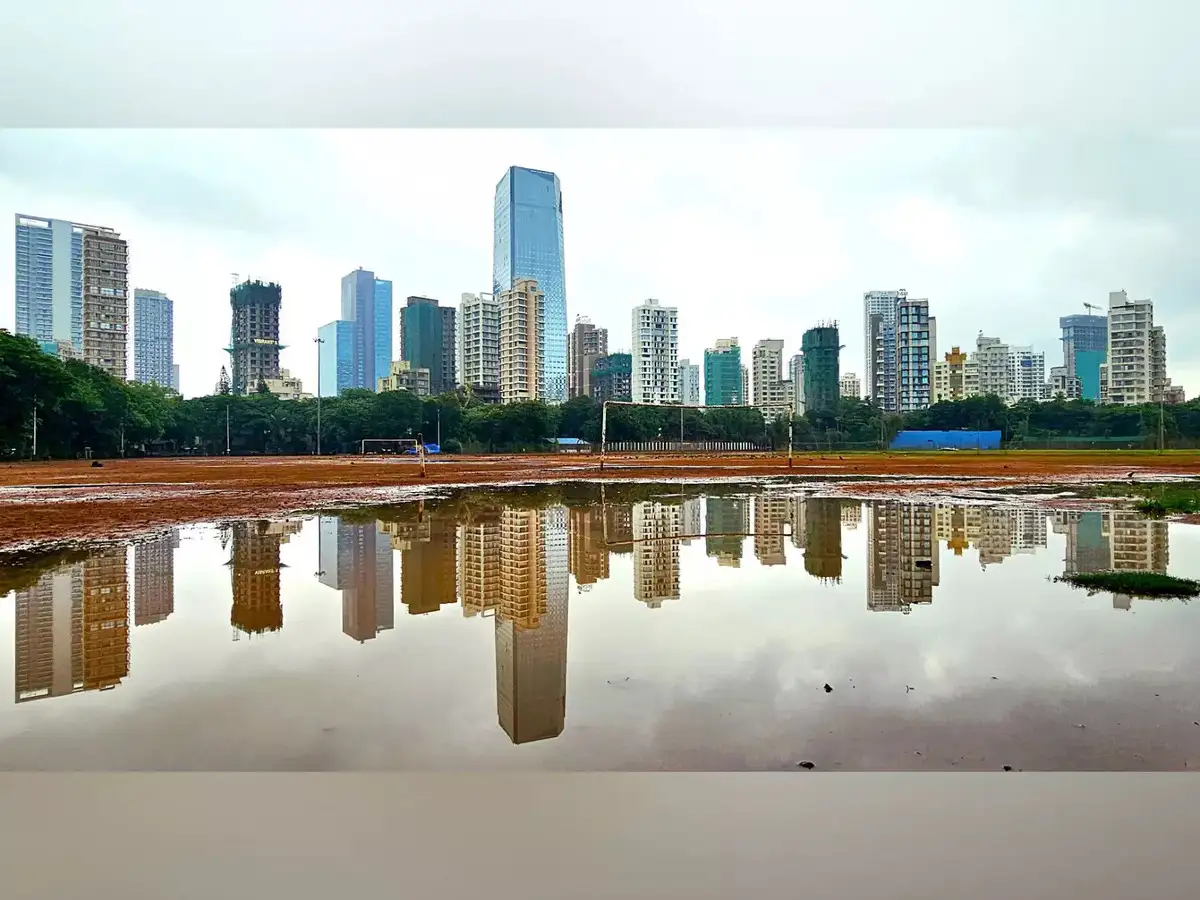
Mumbai’s residential real estate market recorded a notable slowdown in 2025, with annual property sales dropping to a three-year low, according to industry data. The city saw full-year transactions decline nearly 15 per cent year-on-year, reflecting buyer caution amid rising property prices and a high stock of premium inventory. Analysts suggest this trend signals both a temporary market pause and the need for developers to adapt to changing buyer preferences.
Emerging growth corridors continued to capture the bulk of buyer interest, with Navi Mumbai leading quarterly sales at over one-third of total transactions. The Eastern Suburbs and Thane also showed steady absorption, indicating a shift in demand towards suburban areas that offer relatively affordable pricing and improved connectivity. Experts note that the recent operationalisation of Navi Mumbai International Airport has reinforced the city’s appeal as a residential hub, while ongoing metro expansions are expected to further influence housing choices. New project launches slowed sharply, underscoring developer caution. Just over 12,500 homes were introduced in the fourth quarter, down 8 per cent from the previous quarter and 20 per cent lower than the same period in 2024. This brought total launches for 2025 to a four-year low, according to market observers. Among these, Navi Mumbai accounted for the largest share of new supply, followed by the Eastern Suburbs and Thane. The mid-to-premium price segment, particularly INR 15–30 million units, dominated releases, reflecting developer focus on aspirational yet financially viable offerings.
Despite the subdued sales, property prices continued to rise moderately. Capital values increased around 6 per cent annually, while quarterly growth was measured at 2 per cent. Navi Mumbai led with a 7.4 per cent annual gain, supported by infrastructure improvements. Rental yields also edged up, showing modest quarter-on-quarter growth of 2.3 per cent, reflecting consistent demand for leased residential units in well-connected suburban zones. Industry officials highlight that this period of slower sales is also an opportunity for the market to recalibrate. With high-value inventory remaining, developers are reassessing product mixes, marketing strategies, and financing structures. Urban planners suggest that future residential demand will be closely tied to infrastructure-led development, including metro expansions, expressways, and transport-oriented projects that integrate sustainable urban design.
Looking forward, the combination of enhanced connectivity, infrastructure upgrades, and emerging suburban micro-markets is expected to gradually restore momentum. While central Mumbai will continue to attract luxury buyers, suburban growth corridors are likely to see more balanced absorption, offering opportunities for equitable, climate-resilient urban expansion.
Mumbai Real Estate Faces Weak Residential Demand