


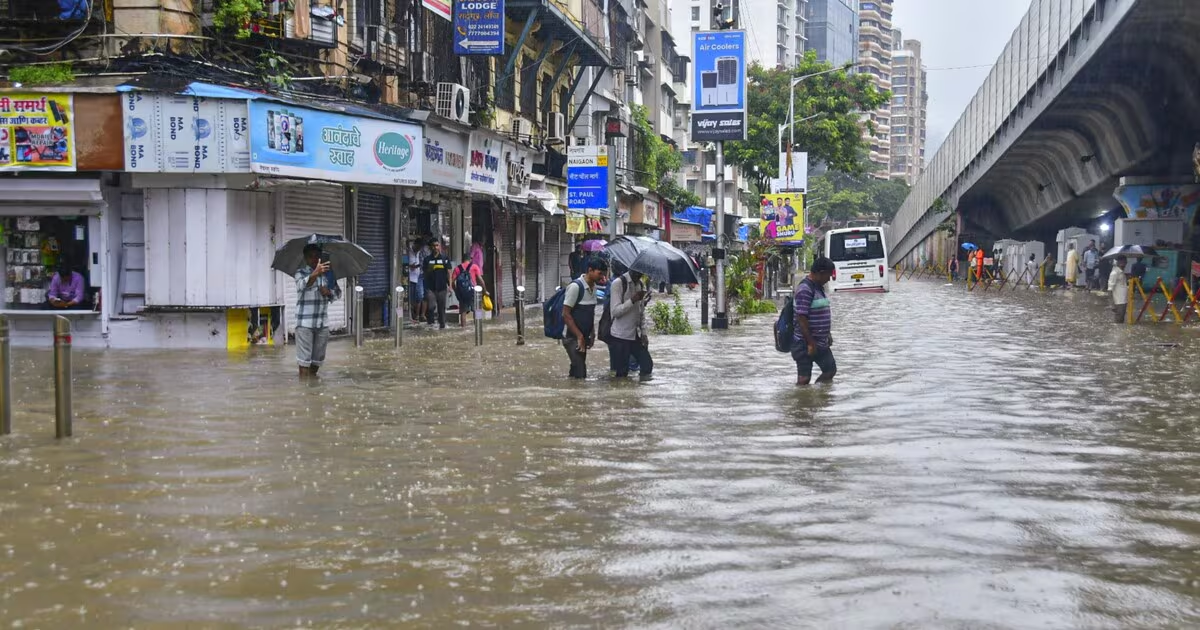
The season’s first major downpour turned large parts of Mumbai into waterlogged zones on Monday, exposing glaring shortfalls in civic preparedness and pushing previously dry neighbourhoods like Hutatma Chowk and Breach Candy into the city’s growing list of flood-prone areas.
Even as familiar flood zones like Hindmata and King’s Circle were once again submerged, the emergence of new inundation points underlined how Mumbai’s urban drainage system continues to struggle against the growing pressure of climate volatility and civic mismanagement.The rainfall — which coincided with a high tide around 11.24am — quickly overwhelmed stormwater drains across the city, causing serious disruptions to traffic and daily life. What compounded the problem was the Brihanmumbai Municipal Corporation’s (BMC) decision to cut the number of dewatering pumps this monsoon season from 482 to 417, a move justified on the grounds of “improved drainage infrastructure”. However, that confidence appeared misplaced as major junctions in south Mumbai — including Masjid Bunder, Crawford Market and CSMT — reported significant waterlogging during peak office hours.
Perhaps more troubling was the dysfunction at flood mitigation projects that had previously been showcased as future-ready infrastructure. The underground water tanks built at Hindmata — long touted as a permanent fix for the area’s chronic flooding — failed to operate, with BMC officials later admitting the pumps meant to connect them had not been installed. King’s Circle fared no better, with just four of six dewatering pumps running when the rainfall peaked, leading to severe surface flooding.Meanwhile, desilting of the city’s nullahs and drains remains behind schedule. According to BMC’s public dashboard, only 71% of the work had been completed as of May 26 — the very day the monsoon officially arrived in the city. Though civic officials privately claimed 82% completion, the condition of streets told a different story. Silt overflowed onto roads in several neighbourhoods, and in Dadar, civic workers were seen manually unblocking choked stormwater drains as local markets flooded.
The delay in weather alerts further compounded the city’s readiness issues. A senior BMC official said the India Meteorological Department’s red alert came “too late,” with many low-lying areas already inundated by the time preventive measures could be taken. “We can deploy more pumps if necessary,” the official insisted, “but once streets are already submerged, operating them becomes less effective.”Perhaps the starkest example of Mumbai’s shifting flood map was Breach Candy, a neighbourhood not known for chronic waterlogging. On Monday, roads near the old US consulate were completely submerged. Residents say the issue began after last year’s rains and appears linked to incomplete work on the outfall systems promised under the coastal road project. “They said once the outfalls were done, flooding would stop,” said a local resident. “But this year, the entire stretch was under water — not just a few pockets.”
The Mumbai Coastal Road itself did not flood, but its surrounding areas bore the brunt of diverted rainwater, raising questions about the displacement effect of such mega infrastructure on legacy urban areas. Civic engineers have yet to provide clarity on when the drainage systems tied to ongoing road works will be fully functional.
As the city heads into the heart of the monsoon season, the stakes are growing higher. With extreme weather events becoming more frequent, Mumbai’s infrastructure must evolve rapidly to meet the demands of an increasingly unpredictable climate. For now, the rains have redrawn the city’s flood map — and not for the better.
Also Read : Mumbai hit by 200 mm rain as monsoon arrives early
