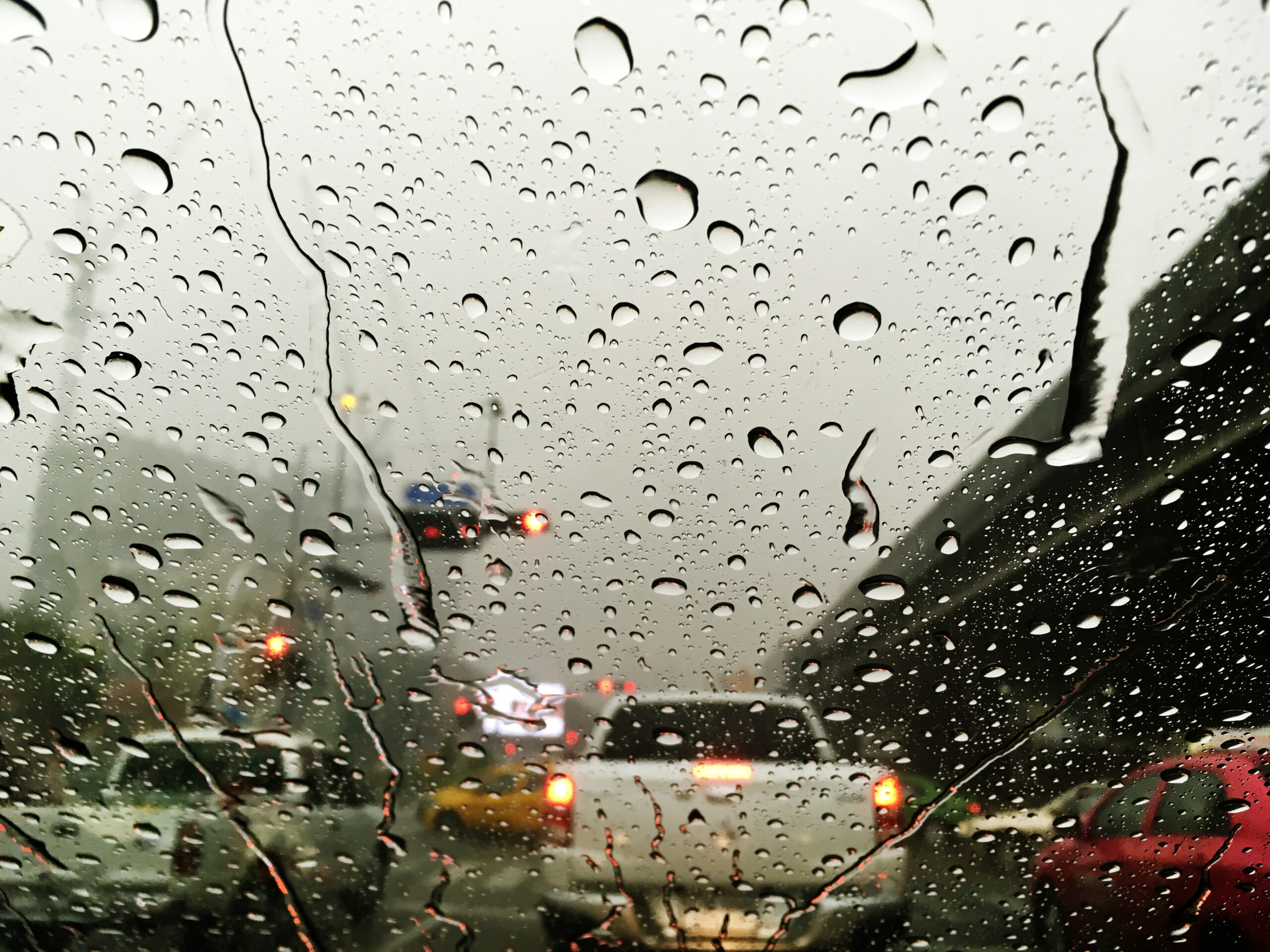
Mumbai Rains Disrupt Traffic And Local Train Movement
Mumbai’s tryst with the monsoon turned difficult again on Monday as persistent showers triggered widespread waterlogging and traffic chaos across key arterial routes. While the city is accustomed to torrential rain, the intensity of water accumulation along major roads left thousands of commuters grappling with delays and uncertainty.
Officials reported that the Eastern Express Highway, a vital north–south corridor, bore the brunt of the downpour. Visuals showed vehicles stranded in knee-deep water near Sion and Kurla underpasses, with traffic stretched over several kilometres. The disruption underscored the recurring vulnerability of Mumbai’s transport lifelines during peak rainfall events.
Neighbourhoods such as Sion, Chembur, Ghatkopar, Mulund, and Kalyan reported heavy rainfall, while western suburbs including Borivali, Andheri and Bandra experienced intermittent showers. The uneven distribution of rain left some parts of the city nearly paralysed, while others functioned close to normal. Commuters attempting to travel across zones found themselves caught between dry stretches and heavily inundated pockets. Railways, often described as the backbone of Mumbai’s public transport, continued to function with resilience, though officials acknowledged the possibility of delays should rainfall intensify further. On the Central and Harbour lines, trains were reported to be operational in the morning hours, but officials advised passengers to remain prepared for sudden slowdowns if tracks became submerged.
The impact of waterlogging extended beyond travel inconvenience, raising concerns around urban preparedness. Experts pointed out that chronic flooding around underpasses and low-lying stretches highlights the gaps in stormwater drainage management. Despite years of investments in pumping stations and expanded drainage systems, monsoon surges continue to overwhelm city infrastructure, leaving residents vulnerable. Traffic management authorities urged residents to avoid inundated routes where possible, instead relying on alternate transport such as the Mumbai Metro on elevated corridors. Advisories encouraged real-time monitoring of local train schedules through official applications and traffic control alerts. For many office-goers, remote working once again emerged as the only feasible solution to navigate the city’s monsoon disruptions.
Urban planners argue that Mumbai’s recurrent flooding reflects a larger climate adaptation challenge. As rainfall patterns grow more unpredictable and extreme weather events become frequent, the city’s stormwater infrastructure needs systemic upgrades. Suggestions range from restoring natural floodplains and widening drainage channels to embedding sustainability into new road and metro projects. For now, the rains continue to test Mumbai’s resilience, as residents brace for another week of wet commutes. The struggle is not only about reaching destinations on time but also about whether the city can evolve transport systems capable of withstanding the climate pressures of the future.