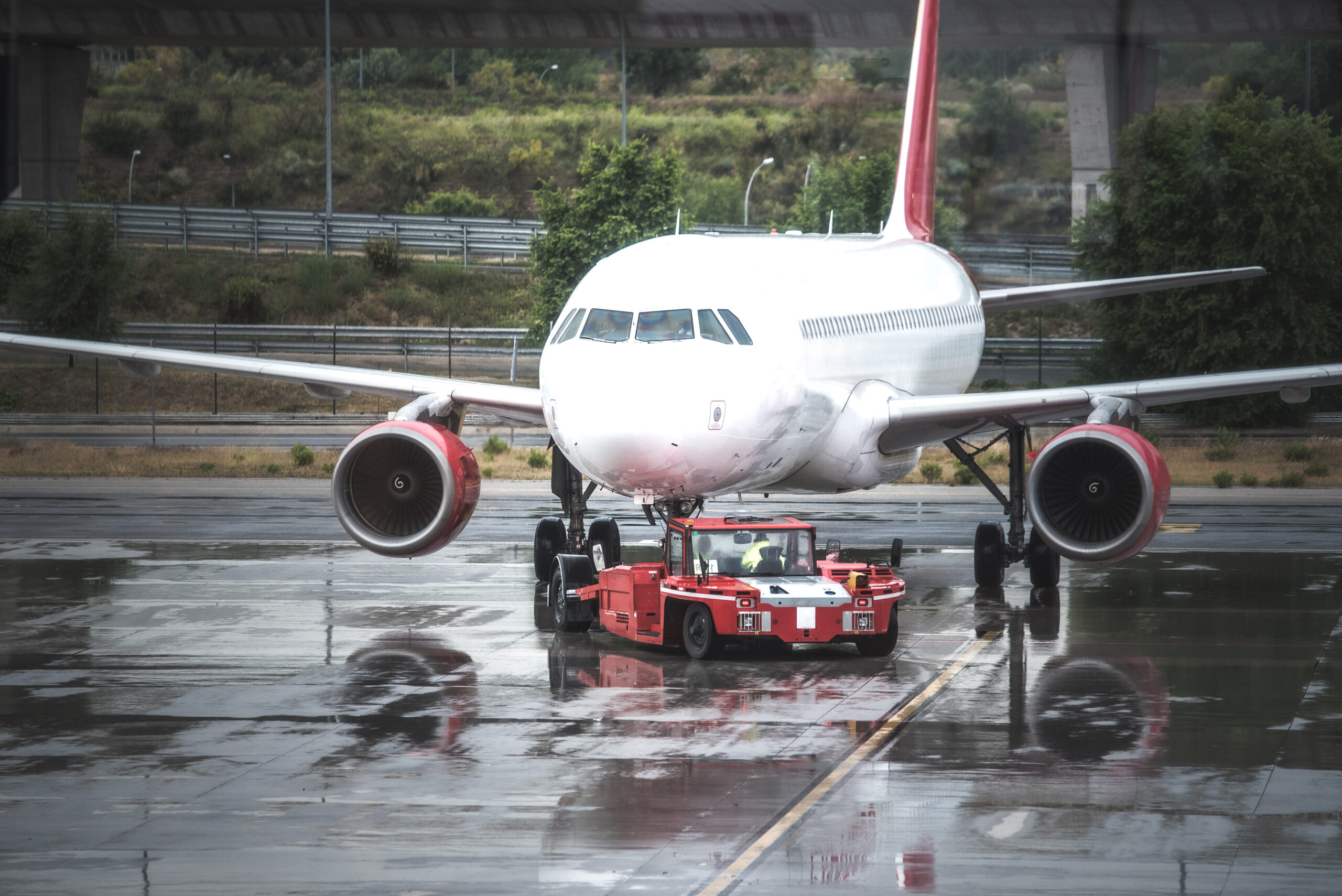
Mumbai rains disrupt flights with ten go arounds one diversion
The Andheri east–west subway, one of Mumbai’s busiest underground links, was shut for over six hours on Monday after torrential rains left it heavily waterlogged, exposing once again the city’s recurring struggle with drainage and urban mobility. The closure, which lasted from 10 am until 4.30 pm, paralysed traffic across the Andheri belt, forcing commuters to reroute through already congested stretches.
Heavy rainfall over the past three days disrupted air traffic at Chhatrapati Shivaji Maharaj International Airport on Monday, forcing ten aircraft into go-arounds and diverting one flight to Surat due to low visibility conditions. Officials warned that delays could worsen if showers continue.
Airport authorities issued an advisory to passengers early in the day, urging them to check flight schedules with their respective airlines before heading to the airport. With visibility dipping drastically during the morning hours, pilots were compelled to execute multiple go-arounds, a safety procedure in which aircraft circle before attempting to land again. One scheduled arrival from Ahmedabad was diverted to Surat after conditions failed to improve.
While no widespread cancellations were reported, airlines including IndiGo, SpiceJet and Akasa Air confirmed that operations were likely to remain vulnerable to weather changes through the week. In addition, the airport management advised passengers to arrive well in advance to allow sufficient time for security checks and potential rescheduling. For Mumbai, one of the country’s busiest aviation hubs, weather-induced delays are not uncommon during the monsoon. However, experts believe the frequency of disruptions underscores the urgent need to strengthen climate-resilient infrastructure around aviation systems. India’s aviation traffic has grown steadily over the last decade, and even minor weather events now affect thousands of passengers each day.
Meteorological officials have forecast continued heavy rainfall in the city, with periods of reduced visibility likely during peak hours. Aviation experts point out that extreme weather events are becoming more frequent with changing climate patterns, raising questions over how airports in coastal cities should adapt. Measures such as advanced drainage systems, runway visibility aids, and more sustainable urban planning have been suggested as long-term solutions. In the backdrop of rapid urbanisation, the airport’s location within a densely built environment also makes it particularly vulnerable to monsoon flooding and fog. Industry analysts note that while operational advisories are necessary to manage daily traffic, a larger focus on sustainability and resilience is critical for the future.
Passengers on Monday largely complied with advisories, though many expressed concerns over travel uncertainty and additional costs incurred due to delays. Regular flyers emphasised the importance of timely communication from airlines and sought improvements in passenger amenities to better handle prolonged waiting periods. With forecasts predicting intermittent showers throughout the week, travellers to and from Mumbai remain on alert. While flight safety remains uncompromised, operational challenges during extreme weather continue to highlight the pressing need for integrated, climate-conscious aviation planning.