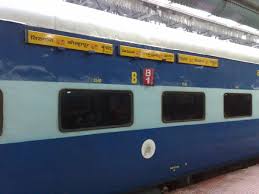
Indian Railways has announced a significant revision in the coach composition of several long-distance express trains, including the Mumbai-Kolhapur Mahalaxmi Express. This operational adjustment, which includes an increased number of Sleeper and AC-Economy coaches, is a clear signal of the railway’s commitment to providing equitable access to a wider range of commuters. By reconfiguring its fleet to accommodate more passengers in a sustainable manner, the national transporter is bolstering its role as a cornerstone of inclusive and eco-friendly mobility.
The revised coach setup, featuring a blend of classes from First AC to General Second Class, aims to create a more balanced and accessible travel experience. A senior railway official noted that the changes are designed to cater to diverse travel needs, ensuring that all segments of society, from premium travellers to budget-conscious commuters, can utilise the rail network. The decision to include three AC-3 Tier Economy coaches and eight Sleeper class coaches speaks directly to the demand for affordable and comfortable long-distance travel, a crucial factor in fostering a more equitable society. This targeted investment in capacity is a proactive step toward managing growing passenger volumes without adding new trains, thereby maximising the efficiency of existing infrastructure and minimising the environmental footprint.
Furthermore, the addition of an experimental halt for the Tambaram-Jodhpur Superfast Express at Amalner station underscores a responsive and decentralised approach to service delivery. This small but significant change is a nod to the needs of passengers in smaller towns and semi-urban areas, providing them with enhanced connectivity to major rail arteries. Such micro-level adjustments are vital to a sustainable urban development model, as they reduce the need for short-distance road travel to reach major stations, thereby lowering local carbon emissions and alleviating traffic congestion in and around smaller communities. This policy of adding targeted stops promotes a more inclusive and decentralised network, ensuring that the benefits of the rail system are distributed more widely.
These changes collectively highlight a business strategy focused on operational efficiency and social responsibility. By optimising the use of existing rolling stock and adding strategic new stops, Indian Railways is demonstrating that economic viability can be pursued alongside sustainability and equity goals. The railway’s ability to adapt its services to meet evolving passenger demands while simultaneously pursuing a greener footprint is a key indicator of a forward-thinking public utility. The move reinforces the rail network’s position as a low-carbon, high-capacity alternative to other modes of transport, solidifying its importance in creating a more sustainable and equitable future for the nation’s cities and regions.