


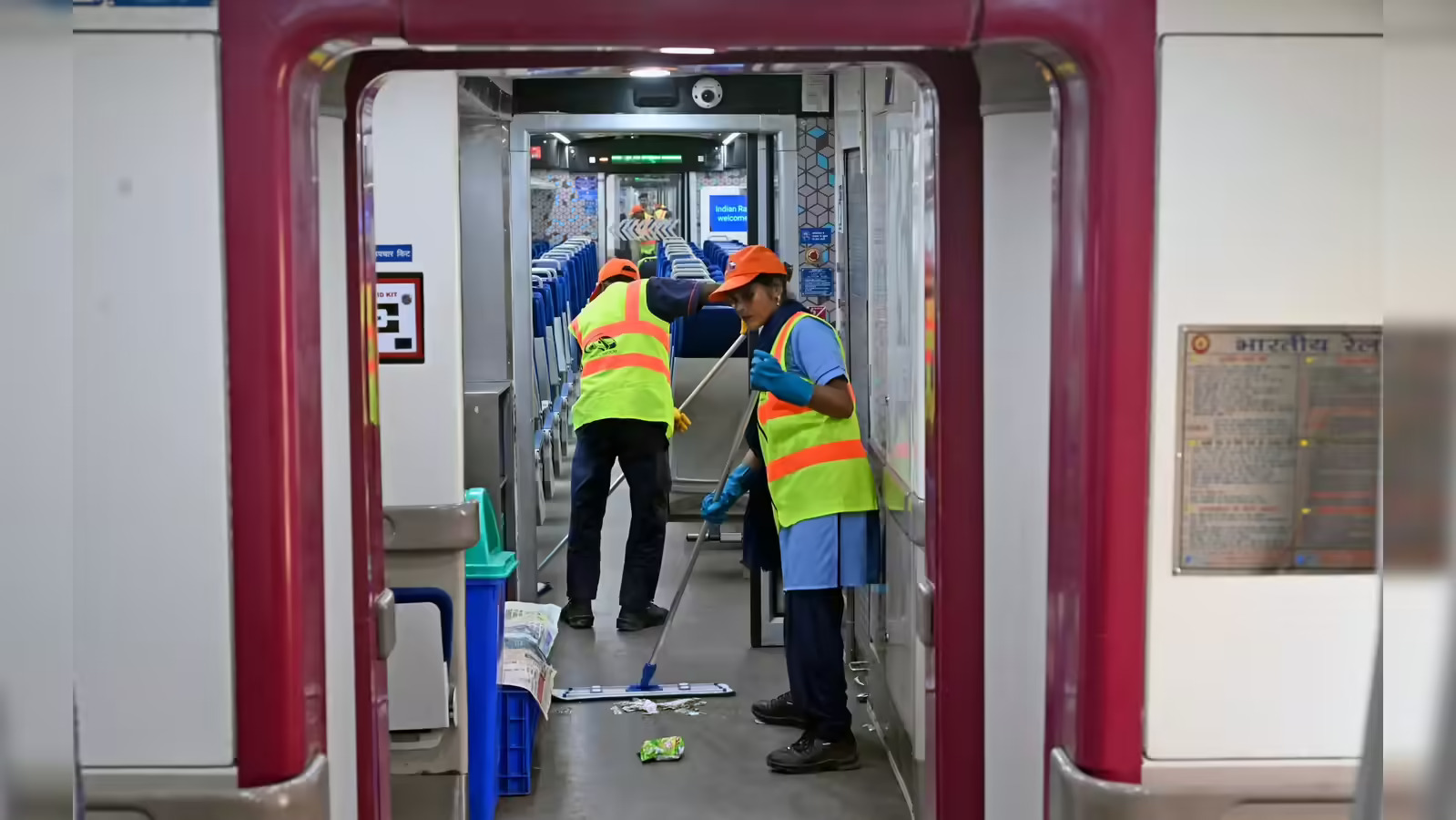
Railway Board has instructed all Divisional Railway Managers (DRMs) in Mumbai to identify ten distinct areas at each station requiring enhanced cleaning. This directive, part of a broader strategy to bolster passenger satisfaction, couples daily monitoring via the ‘Swachh Station’ WhatsApp group with evidence-based audits and random division reviews starting July 1. The central thrust of this initiative is to make station cleanliness a dynamic, continuously improving process. Station teams will update the Swachh Station group with before-and-after images or videos as they address identified cleaning zones. New priority areas must be reassessed every 7–10 days, ensuring a rolling improvement matrix driven by empirical validation.
To reinforce accountability, the Railway Board has initiated afternoon reviews by senior leaders on a rolling basis. One or two divisions will be scrutinised each day, with their names disclosed by 3 pm and reviewed around 4 pm. This real-time oversight is expected to sharpen operational response and create peer-driven excellence as other divisions observe the spotlight targeted on their counterparts. An official from the Board described the process as “a dynamic, iterative approach to station cleaning” that combines modern communication platforms with organisational rigor. “The programme is built on daily evidence submission and performance reviews to encourage sustained behavioural and operational changes,” they explained.
This move follows last month’s overhaul of the Clean Train Station (CTS) scheme, which was introduced in 2002 to clean train coaches and toilets en route with minimal delays. The revamped CTS now covers 20 designated locations and 683 trains using mechanised methods — reflecting an integrated strategy to improve both train and station hygiene without disrupting operations. Experts in sustainable and equitable urban transport welcome the coordinated effort. Mumbai’s status as a high-density transit hub, combined with accelerating urban travel demand, makes station conditions a key determinant of commuter morale and public health. Clean stations support not just comfort but also promote gender-neutral accessibility and inclusive civic spaces for women, elderly, and persons with disabilities.
Transportation planners note that cleanliness, often overlooked in infrastructure dialogue, is crucial for zero net carbon city principles. The shift away from litter and grime reduces hazardous microplastics and fosters a sense of community wellness aligned with sustainable city visions. Continuous cleanliness can indirectly promote public transit use over private vehicles — a step toward urban emission reduction. Nevertheless, real-world challenges remain. Large footfall and heavy monsoon conditions often strain station cleaning crews. Drainage clogging, platform litter and restroom cleanliness collectively pose significant operational hurdles. The new directive’s success hinges on the consistent application of standards and timely responsiveness when issues are flagged.
DRMs have been tasked with ensuring sufficient manpower, equipment, and training resources are available for effective implementation. Officials suggested that contracts with third-party cleaning agencies should stipulate daily priority zone reviews and penalise lapses in evidence submission. The Board’s real-time monitoring will make any failure highly visible, necessitating swift action to sustain public trust. The Swachh Station WhatsApp group is being leveraged as a modern digital backbone — it links station officers, divisional heads, and Board officials. Entries in the group will be stamped with timestamps, geotags and visible progress updates, transforming sporadic checks into a continuous behavioural process supported by group accountability.
Urban policy experts argue that such digitally connected monitoring can dovetail with broader sustainable city goals. Regular photo-based reporting reduces need for physical inspections, saving time, fuel and travel emissions for supervisors. It also generates data that can be analysed to identify station-specific cleaning patterns and trend anomalies — enabling proactive interventions. Given the critical interface between station appearance and commuter experience, failing to maintain cleanliness could weaken public confidence in the railway network and in wider public transport systems. Mumbai, as a city pursuing integrated transit-oriented development, depends on passenger trust to achieve modal shifts from personal vehicles to shared mobility options.
The Board official emphasised that cleanliness is not an end in itself but part of a system that spans stations and trains. “We are building a culture where every station has a changing list of priority zones, monitored daily, reviewed weekly and governed by data,” they said. “The CTS revamp and Swachh Station group are twin pillars towards that discipline.” While the initiative is still in its early days, the signs are encouraging. Images posted by one division showed a previously neglected segment between station concourse and foot overbridge being cleaned and visual dust and litter visibly reduced. Another example cited the mechanised cleaning of coach vestibules under the CTS revamp leading to improved coach readiness and passenger feedback.
Challenges remain in ensuring equitable implementation across all divisions. Ensuring that smaller suburban stations receive the same attention as major junctions, and that female cleaning staff have access to sanitation and protective equipment, will test operational equity frameworks. For the city at large, this enhanced cleaning drive reflects a progressive administrative tone — one that values civic pride, urban health, and equitable access as pillars of metropolitan resilience. It also signals that Mumbai’s rail system is adapting to a post-pandemic era where public infrastructure is measured not just by throughput but by quality, safety, and user experience.
Ultimately, if the programme maintains consistency and expands its scope to integrate commuter feedback, Mumbai’s railways could set a new benchmark in passenger-first operations. The ongoing reviews, the photo evidence trail and the revived CTS promise a cleaner, greener, more welcoming rail environment — aligning with both commuter expectations and sustainable urban ambitions.
Also Read : Maharashtra Records 8 New Covid Cases With 5 From Mumbai , No Deaths Reported
