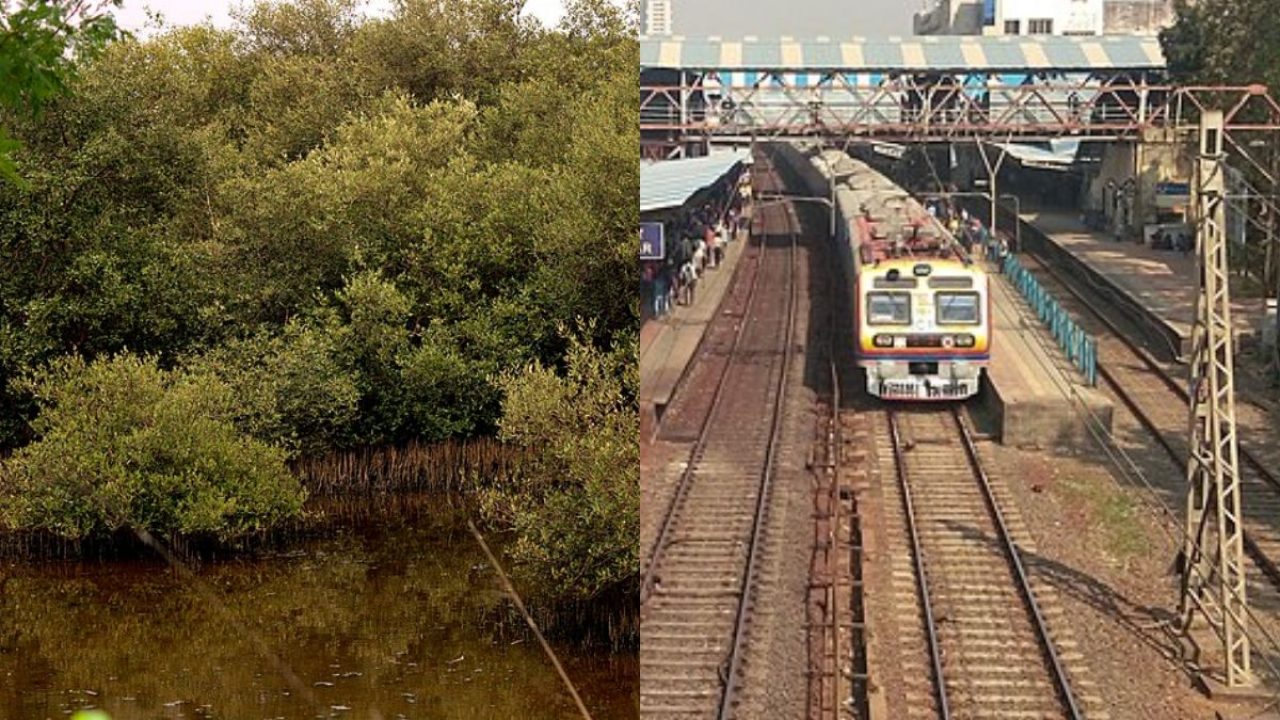
Mumbai is set to witness a significant transformation in its western suburbs as 166 trees within Mira Bhayandar Municipal Corporation (MBMC) limits are being cleared to facilitate the construction of two new railway lines. The fifth and sixth tracks between Borivali and Virar form part of the Western Railway’s Mumbai Urban Transport Project (MUTP) Phase IIIA, aimed at increasing suburban train frequency and easing commuter congestion.
According to a public notice by MBMC, 136 trees will be felled while 30 are slated for transplantation nearby. Among the affected flora are coconut, peepal, almond, nilgiri, ashoka, ladyfinger, gulmohar, dates, and mango trees, with several exceeding 40 years in age. Residents have been invited to raise objections within seven days, offering limited public consultation as the civic body finalises approvals. This comes on the back of previous environmental clearances, including a controversial decision last September by the Bombay High Court allowing the removal of 2,612 mangroves to accommodate the MUTP expansion. The court had also mandated Western Railway to plant and maintain 7,823 compensatory trees near the mangrove areas to offset ecological loss. The ongoing axing of mangroves and preparatory land-filling between Dahisar and Mira Road demonstrates the scale and urgency of the project.
The Western Railway plans to invest approximately ₹2,184 crore for the 26-kilometre expansion, executed under the oversight of Mumbai Rail Vikas Corporation. The Ministry of Environment, Forest and Climate Change (MoEFCC) has approved the project subject to 20 conditions to mitigate environmental damage, including measures to protect local biodiversity and manage soil erosion during construction. Industry experts note that while the project promises faster, more reliable rail services for the western suburbs, it also highlights the difficult balance between urban infrastructure growth and ecological preservation. “Infrastructure projects in densely populated cities inevitably involve environmental trade-offs. The challenge lies in enforcing compensatory measures and ensuring sustainable execution,” said a senior urban planner.
Local civic groups have called for robust monitoring of both tree transplantation and compensatory plantation programmes, emphasising that urban development must align with long-term ecological sustainability. If managed carefully, the project could not only improve mobility but also provide lessons for integrating transport upgrades with green urban planning. The Western Railway aims to complete the new lines by December 2027, promising enhanced train capacity and reduced commuter travel times. However, the environmental implications, particularly tree loss and mangrove clearance, remain under scrutiny, underscoring the pressing need for transparent execution and adherence to sustainable urban infrastructure principles.
Mumbai Railway Expansion To Remove 166 Trees Between Borivali And Virar