


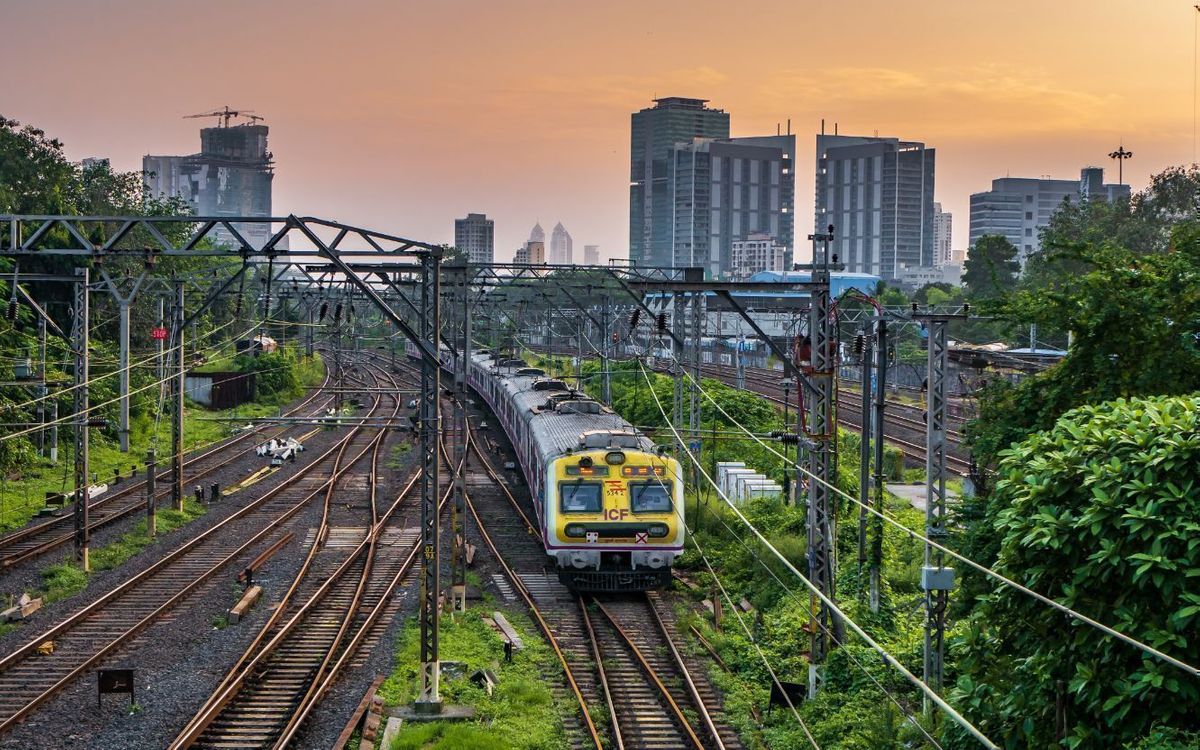
A record bid for a prime land parcel in South Mumbai has underscored the renewed intensity of capital chasing scarce urban land. A 2.6-acre plot in Mahalaxmi, owned by the Rail Land Development Authority, has attracted an unprecedented Rs 2,251 crore offer on a 99-year lease, signalling a sharp recalibration in Mumbai real estate land deal valuations and long-term investor expectations.
Urban economists view the transaction as a benchmark moment for public land monetisation in India’s financial capital. The parcel, located close to key transport infrastructure and established commercial districts, was offered with a development potential that significantly exceeded its reserve valuation. Industry observers noted that the winning bid more than doubled the minimum price, highlighting aggressive competition for well-located brownfield assets in land-constrained Mumbai. According to an official familiar with the process, the authority will issue formal acceptance shortly, following which development proposals will be scrutinised under prevailing planning and environmental norms. Competing bids from several large developers point to strong institutional appetite for long-tenure leases, which are increasingly preferred over outright purchases in dense urban cores. The Mahalaxmi transaction is part of a wider strategy by Indian Railways to unlock the value of underutilised land. Through its development arm, the Rail Land Development Authority plans to lease around 25 acres across multiple Mumbai locations, targeting revenues of at least Rs 8,000 crore. These sites include parcels in Bandra West, Bandra East and Parel, many of which currently house ageing railway housing or low-density uses. Market analysts say such deals reflect a structural shift in Mumbai’s real estate economy. With limited greenfield land available, growth is being driven by redevelopment, public land auctions and transit-oriented projects. High floor space allowances and proximity to mass transport make these sites especially attractive, even as acquisition costs rise sharply.
Recent transactions reinforce this trend. Earlier this year, a major public financial institution acquired over four acres at Nariman Point from the city’s metro authority for Rs 3,472 crore, marking one of the largest outright land purchases in 2025. Together, these deals suggest that public agencies are becoming central players in shaping Mumbai’s future skyline, using land monetisation to fund infrastructure while influencing urban form. However, planners caution that high-value land deals must be balanced with broader civic priorities. Large-scale commercial development can intensify pressure on transport, water and housing affordability unless integrated with inclusive planning frameworks. Experts argue that long-term leases offer an opportunity to embed sustainability standards, mixed-use zoning and energy-efficient construction into redevelopment models.
As Mumbai real estate land deal values continue to climb, the challenge for policymakers will be to ensure that monetisation translates into resilient, low-carbon and inclusive urban growth aligning fiscal gains with the everyday needs of a city that remains home to vast social and economic diversity.
Also Read: Navi Mumbai Airport Operations Begin Boosting Real Estate Markets Across Surrounding Regions
Mumbai Railway Authority Secures Rs 2,251 Crore Bid For 2.6 Acre Mahalaxmi Land
