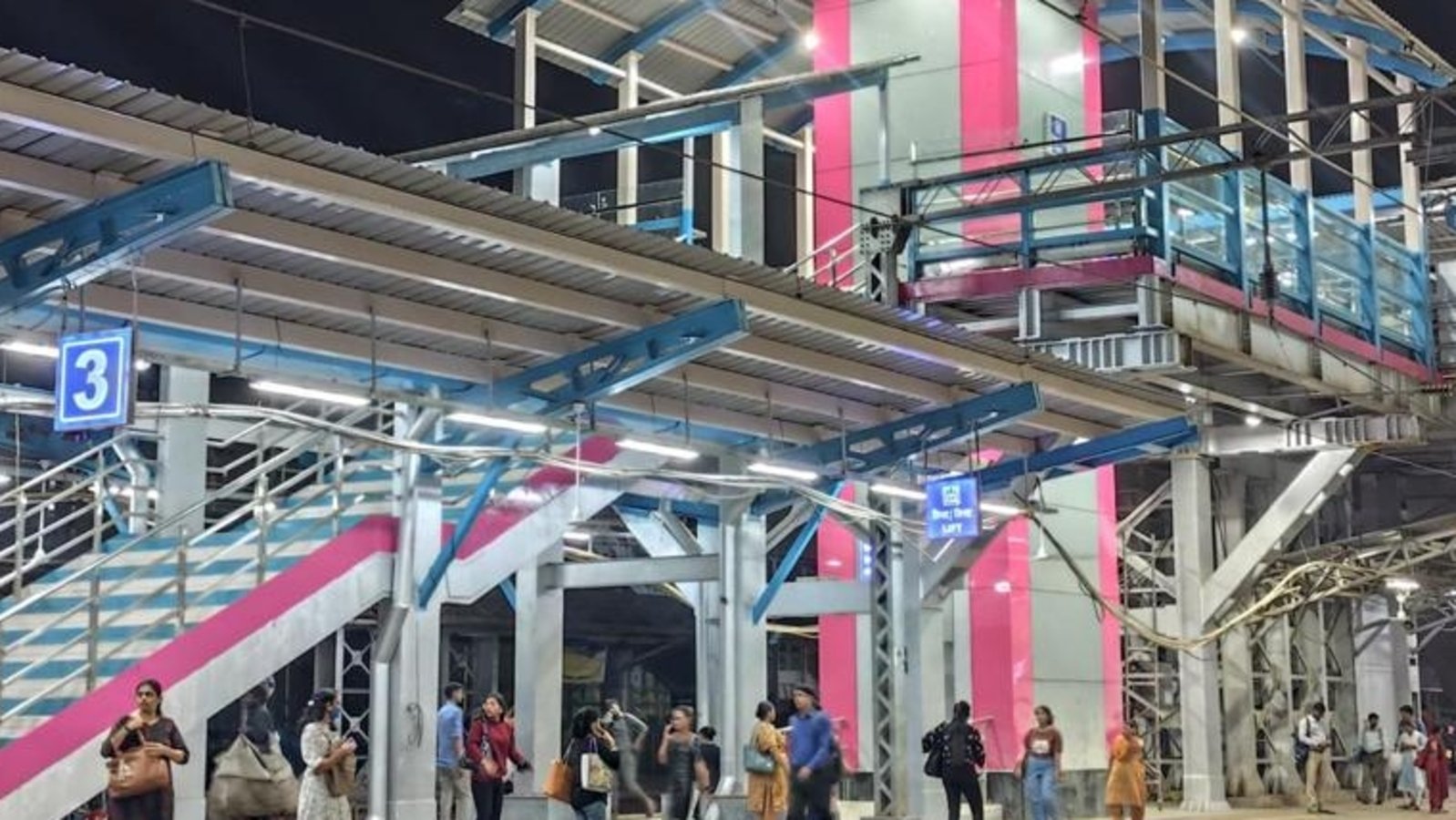
Transport authorities overseeing Mumbai’s suburban railway network are exploring new ways to generate revenue from recently built elevated deck structures at several stations, a move that could reshape how commuter infrastructure is designed and financed in one of the world’s busiest rail systems. Officials say the additional deck space created above platforms will be selectively leased for passenger services and small retail activity, helping fund maintenance while improving station functionality.
The initiative focuses on elevated station decks developed as part of ongoing infrastructure upgrades across key suburban stations. These structures, built above existing platforms, were primarily introduced to expand passenger circulation areas and relieve severe crowding that has long characterised the city’s rail network. Infrastructure planners involved in the project say the decks effectively create a second level within station premises. By relocating amenities such as ticketing counters, waiting areas and service facilities to the upper level, the platform zone can be kept clearer for boarding and alighting passengers.
Urban transport experts say this vertical expansion model reflects the spatial constraints faced by megacities like Mumbai, where railway stations were designed decades ago for far lower passenger volumes. The suburban rail system now handles several million daily commuters, placing immense pressure on ageing station layouts. Early implementations of elevated station decks at major suburban nodes have demonstrated how additional levels can redistribute foot traffic. Stations that have already adopted the model have reported improved passenger flow, particularly during peak commuting hours when crowd density typically surges.
Authorities are now examining how portions of this new space can be allocated for controlled commercial activity. Proposed uses include kiosks, convenience stores, food counters and service outlets catering to commuters. The goal is to introduce facilities that enhance passenger experience without obstructing movement within the station. Railway planners indicate that any commercial activity will be tightly regulated to ensure pedestrian circulation remains the primary design priority. Layout planning for retail units is expected to consider commuter flow patterns, entry and exit points, and emergency evacuation routes.
The approach aligns with a broader strategy within India’s rail sector to expand non-fare revenue streams. While ticket sales remain the backbone of railway income, infrastructure managers have increasingly turned to station redevelopment, advertising rights and retail leasing to supplement operating budgets. Urban infrastructure analysts note that such models are particularly relevant for suburban rail systems that require continuous upgrades to keep pace with population growth. Revenue generated from station spaces can help fund maintenance work, passenger amenities and future modernisation projects without placing additional financial strain on public transport operators.
At a time when cities are rethinking transit-oriented development, elevated station decks offer a practical solution for dense urban environments where horizontal expansion is nearly impossible. As the suburban railway network continues to evolve, the success of this model will depend on balancing commuter convenience, safety and economic sustainability—an equation that could influence how major transport hubs are designed across India’s growing metropolitan regions.
Mumbai Rail Stations Plan Elevated Deck Commercial Spaces