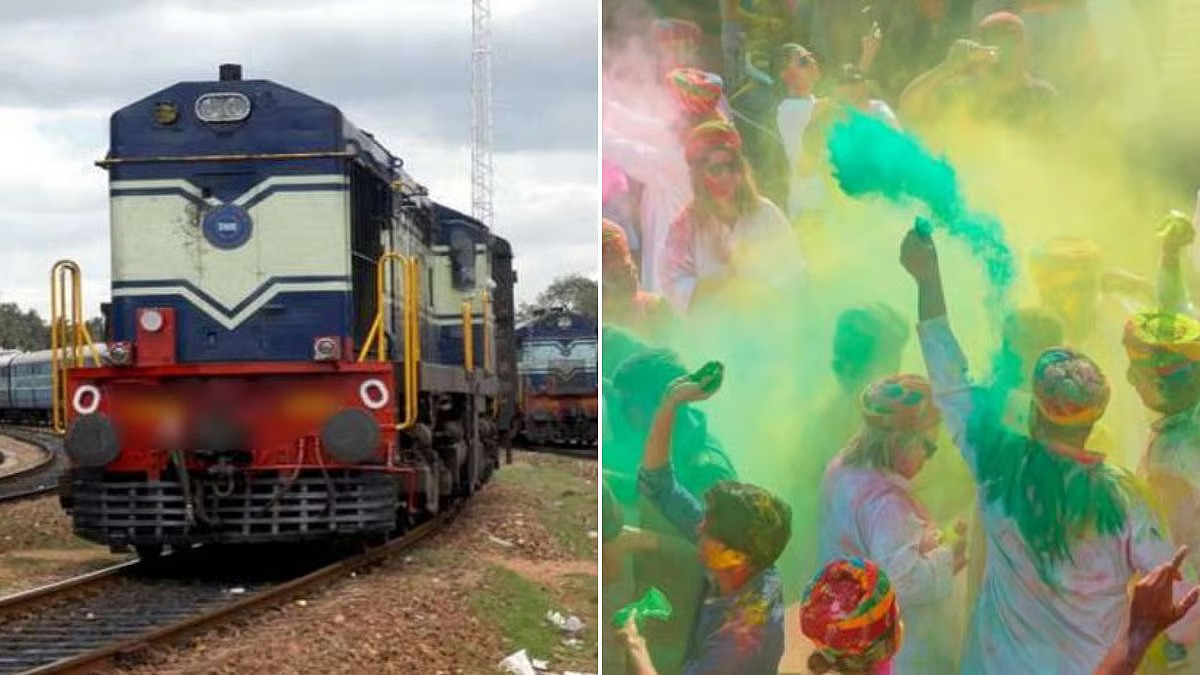
Mumbai’s long-distance rail network is set to see a significant capacity expansion ahead of the Holi travel period, with additional train services planned to manage the seasonal surge in passenger movement. The decision reflects the growing pressure on intercity rail corridors linking the financial capital with northern and eastern India during peak festival windows.
The additional services have been announced by Central Railway, which oversees some of the busiest long-distance routes originating from Mumbai. Railway officials say the expanded schedule is intended to ease overcrowding, reduce waiting lists, and improve travel reliability for migrant workers, students, and families returning to their hometowns during Holi. The plan includes both newly introduced special services and the temporary extension of existing long-distance trains operating from Lokmanya Tilak Terminus. New festival-specific services will connect Mumbai with key destinations in Uttar Pradesh, including Varanasi and Sultanpur, while extended services will continue to serve high-demand routes to Bihar and Jharkhand. These corridors are among the most heavily utilised during festive seasons, often witnessing sharp spikes in ticket demand weeks in advance.
Railway planners note that deploying special trains during festivals has become an operational necessity rather than an exception. With road and air travel increasingly expensive and congested, long-distance rail remains the most accessible option for large sections of the population. By strengthening connectivity during peak periods, the railways aim to reduce the risk of unsafe overcrowding while maintaining predictable travel schedules. From an infrastructure perspective, the additional services also test the resilience of Mumbai’s rail terminals and supporting assets. Scheduling more trains requires precise coordination of rakes, crew availability, maintenance cycles, and platform management. Officials involved in operations say festival traffic management has improved steadily over recent years, supported by digital reservation systems, real-time train monitoring, and better passenger information tools.
The expanded Holi services are expected to operate with a mix of air-conditioned, sleeper, and general class coaches, reflecting the diverse travel needs of passengers. Transport analysts point out that offering a balanced coach composition is critical for equity, ensuring affordability while still catering to long-distance comfort on journeys exceeding 24 hours. Beyond the immediate festival rush, the announcement highlights broader questions about long-term capacity planning on India’s trunk routes. Urban transport experts argue that recurring seasonal congestion underscores the need for sustained investment in rail infrastructure, including additional tracks, modern signalling, and station upgrades at major hubs like Mumbai. Strengthening long-distance rail is also seen as a climate-positive strategy, as trains emit significantly less carbon per passenger compared to private vehicles and aviation.
Bookings for the additional services are already open through standard reservation channels, with railway authorities urging passengers to plan travel in advance. As Holi approaches, the effectiveness of these temporary measures will be closely watched, offering insights into how India’s rail system can adapt to surging demand while keeping mobility safe, inclusive, and environmentally efficient.
Mumbai Rail Network Adds Holi Special Trains