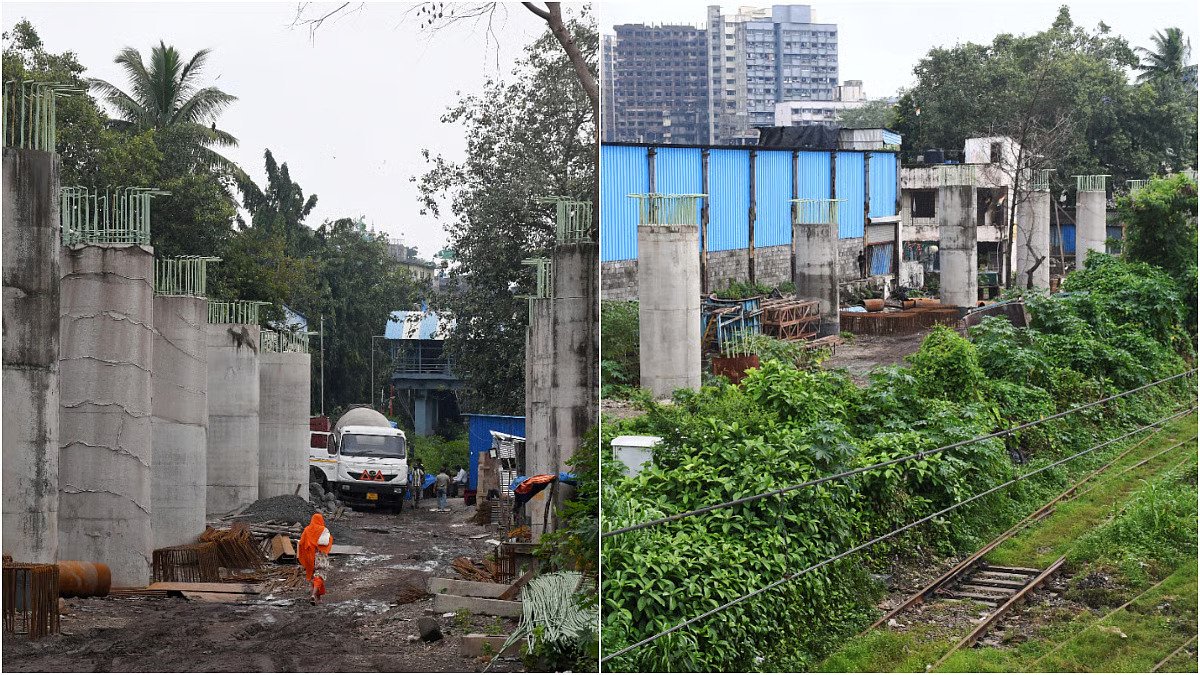
Mumbai’s long-delayed rail capacity upgrade between its primary terminus and Kurla is finally entering an execution phase, marking a critical milestone for one of the city’s most congested suburban corridors. After years of delays linked to land access and resettlement challenges, authorities are preparing to clear the final obstruction, paving the way for construction to begin on additional tracks aimed at easing operational strain.
The CSMT Kurla rail project, conceived nearly two decades ago, is designed to separate suburban train operations from long-distance and freight traffic. This segregation is expected to significantly improve punctuality, reduce congestion, and enhance safety across the Central Railway network, which remains one of the busiest suburban systems globally. The immediate trigger for progress is the completion of rehabilitation for families affected by the project, a process that has historically slowed infrastructure expansion in densely populated urban areas. With relocation largely addressed and land parcels secured, demolition of remaining structures in a critical stretch is expected to commence shortly, officials said. Security arrangements and logistical planning for this phase are currently being finalised.
Urban transport experts view this development as a turning point for the CSMT Kurla rail project, which has long been cited as an example of how land acquisition complexities can delay essential infrastructure in megacities. The integration of resettlement planning with project timelines is increasingly seen as vital for ensuring that infrastructure delivery remains both efficient and socially responsible. Once completed, the additional lines will allow long-distance trains and freight services to operate independently of suburban traffic. This is expected to free up capacity on existing tracks, enabling more frequent and reliable local train services. For Mumbai’s daily commuters—numbering in the millions—such improvements could translate into reduced overcrowding and shorter waiting times.
From an economic perspective, the project holds broader significance. Improved rail efficiency can enhance labour mobility, reduce transit-related productivity losses, and support the functioning of key business districts connected by the corridor. Freight movement, often delayed due to shared track usage, is also likely to benefit, contributing to smoother logistics across the region. Importantly, the project has been aligned with other ongoing infrastructure works to prevent future disruptions. Engineers have incorporated provisions for the additional lines into the design of nearby bridges and crossings, reflecting a more integrated approach to urban infrastructure planning.
Sustainability experts note that strengthening suburban rail networks is central to reducing reliance on road-based transport, thereby lowering emissions and supporting climate-resilient urban growth. Expanding rail capacity can encourage a modal shift towards public transport, which remains the most energy-efficient way to move large populations in dense cities. As the CSMT Kurla rail project transitions from planning to execution, its progress will be closely watched as a test of Mumbai’s ability to deliver complex infrastructure in challenging urban conditions. The coming months will determine whether the long-awaited upgrade can finally reshape daily commuting patterns and reinforce the city’s public transport backbone.
Mumbai Rail Corridor Upgrade Between CSMT And Kurla Gains Momentum