


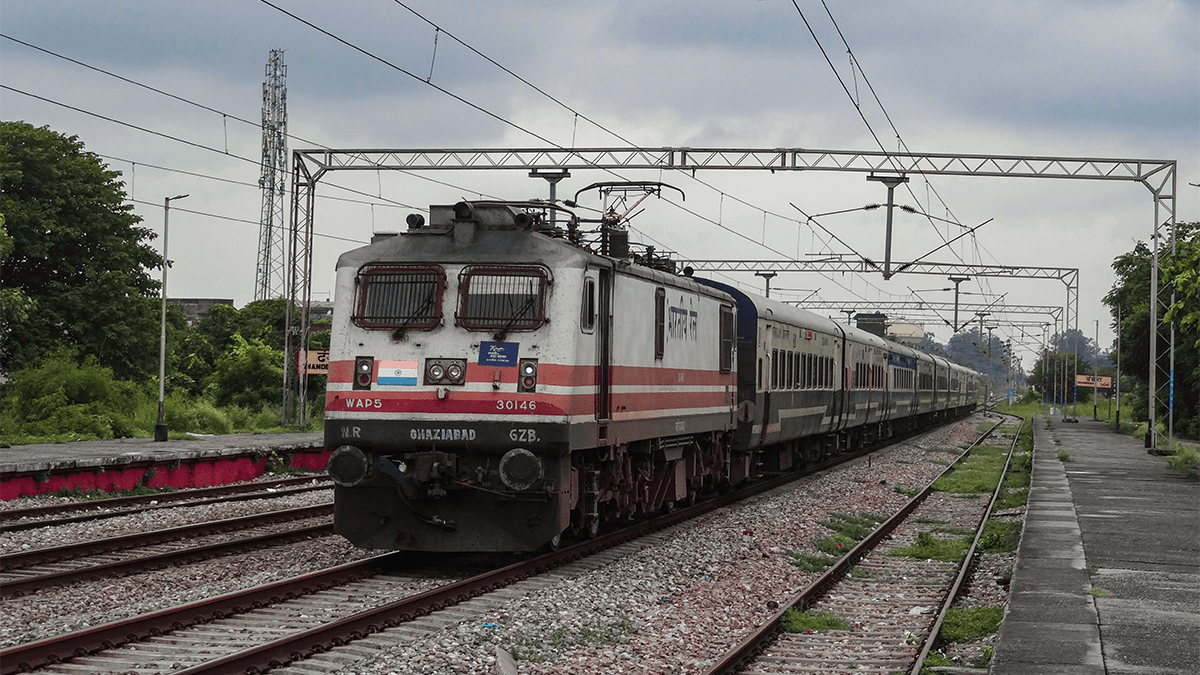
The lifeline connecting Pune and Mumbai, one of India’s busiest intercity rail corridors, is on the cusp of a major transformation. In a significant stride towards enhancing safety and efficiency, the Indian Railways’ research wing is set to commence a series of high-speed safety trials. These tests, conducted on the demanding ghat sections, are aimed at validating the performance of modern trains on steep gradients. The successful outcome of these trials could herald a new era of faster, safer, and more reliable train travel for the millions of commuters who depend on this vital link every year. This move is a tangible step in the national commitment to modernising urban infrastructure, a cornerstone of our vision for smarter, more sustainable cities.
The trials, which will be carried out by the Research Designs and Standards Organisation (RDSO), will involve a special test train traversing the challenging Lonavala-Karjat section. This particular stretch is notorious for its steep inclines, making it a critical testbed for the safety and controllability of long passenger trains. The key focus of the tests will be to meticulously measure the Emergency Braking Distance (EBD) and Full Service Braking Distance (FSBD) to ensure that trains can operate safely at higher speeds. The outcome of these trials is expected to provide valuable data for the future deployment of high-speed trains and the modernisation of India’s rail network.
A significant benefit of these trials, if successful, will be the potential elimination of mandatory brake checks at stations like Khandala and Monkey Hill. Currently, these stops, though crucial for safety, introduce delays of two to five minutes per train, contributing to overall congestion on the line. By validating the performance of speed-sensing devices, the railways could bypass these halts, leading to improved punctuality and reduced travel times. This not only enhances the passenger experience but also optimises the use of existing infrastructure, a key pillar of creating a more efficient and sustainable urban transport system. The application of such technology is vital for building future-ready cities that are less reliant on carbon-intensive transport methods.
The ongoing trials represent a crucial step in the broader effort to modernise Indian Railways’ operations across challenging terrains. A similar trial was recently conducted on the Kasara-Igatpuri ghat section, with the results from both corridors expected to provide a comprehensive dataset for future safety and speed upgrades. The focus on deploying advanced technology like speed-sensing devices demonstrates a forward-thinking approach to operational safety. These systems, by providing real-time data on train speed and braking performance, are designed to prevent human error and ensure that trains maintain safe operating speeds on difficult inclines, thereby significantly enhancing passenger safety.
The outcome of these trials carries immense implications for the daily lives of countless commuters. Faster and safer travel between Pune and Mumbai would not only boost economic activity but also contribute to a better quality of life. The railways’ focus on leveraging technology to enhance safety and efficiency is a positive development that aligns with the broader goals of creating eco-friendly and equitable cities. The successful implementation of these measures will not only cement the Pune-Mumbai rail corridor’s status as a premium route but will also serve as a blueprint for modernising other critical rail links across the nation.
Also Read :Delhi-based Luxury Train Embarks on Pan-India Char Dham Pilgrimage
