


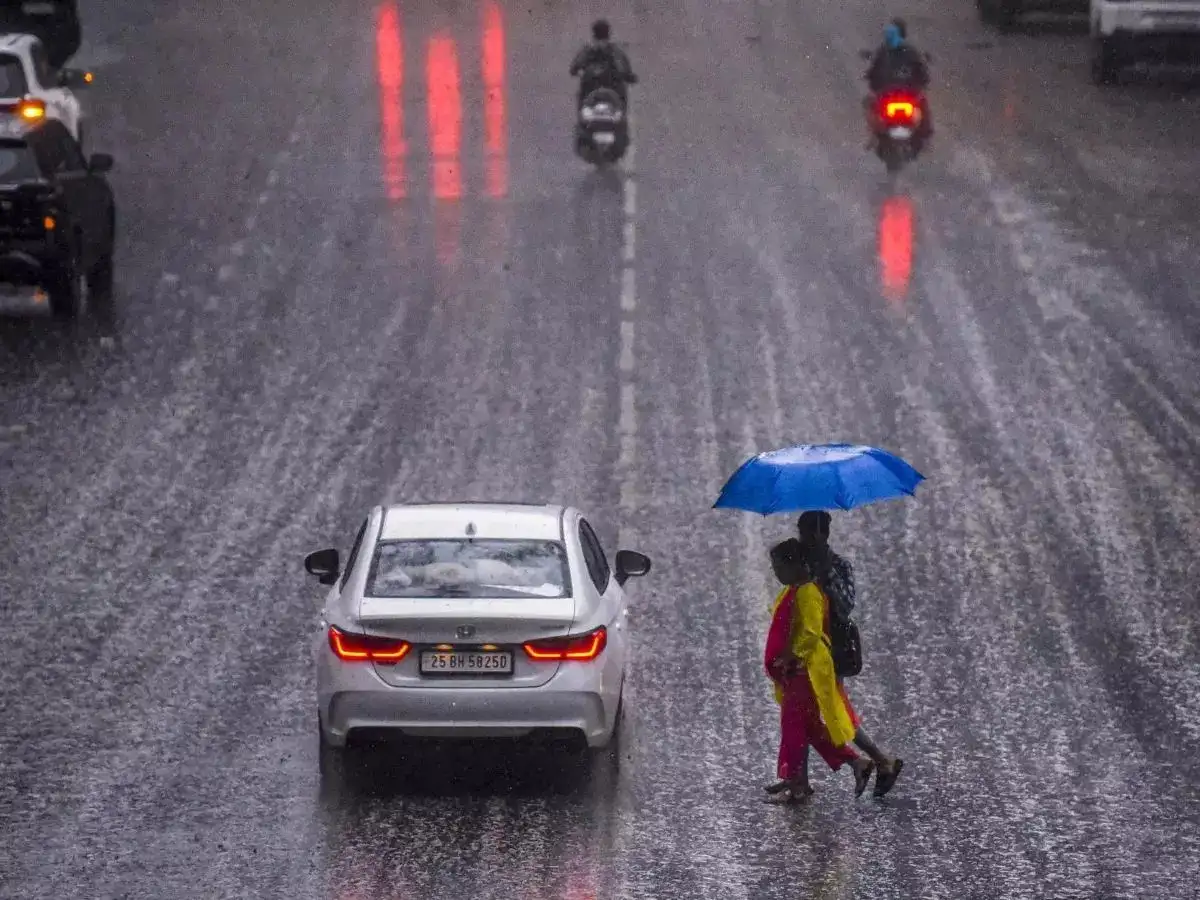
Mumbai, Pune and Raigad have been placed under an orange alert by the India Meteorological Department (IMD) as persistent monsoon showers threaten to intensify across large parts of Maharashtra. The warning, issued on Saturday, comes amid growing concerns over flooding, waterlogging, and disruption of urban life in the state’s major cities.
The IMD forecast predicts light to moderate rainfall across Mumbai, with maximum temperatures around 30°C and minimum at 26°C. While a yellow alert was initially in place, the weather bureau upgraded it to an orange warning after consistent downpours in the city and surrounding districts. According to municipal data, Mumbai recorded more than 60mm of rainfall within a span of ten hours on Friday, overwhelming stormwater drains and triggering traffic gridlocks across arterial routes. The rainfall has been attributed to a cyclonic circulation over Vidarbha and adjoining regions in the mid- and upper-atmospheric levels. Meteorological experts explained that this circulation has triggered a north-westward shift in moisture-laden winds, resulting in sustained heavy precipitation along the Konkan coast. As a consequence, districts such as Thane, Raigad, Satara, Jalna and Aurangabad have also been placed under orange alert, while Nashik, Nagpur, Palghar and Latur are under a yellow watch.
Weather officials have cautioned of squally winds reaching speeds of 45–55 kmph, gusting up to 65 kmph, posing a hazard to low-lying coastal areas and urban infrastructure. The combination of intense rain and strong winds, they said, increases the risk of falling trees, disrupted power lines, and interruptions in suburban train services — the lifeline of Mumbai’s daily commute. The impact of the continuing showers has already been felt across Maharashtra. Eight lives were lost earlier this week in rain-related incidents while one person remains missing, according to emergency management reports. In Mumbai, low-lying areas witnessed flooding, with residents in vulnerable neighbourhoods expressing concern over sewage backflow and stagnant water breeding mosquitoes. Health experts have flagged the increased risk of vector-borne diseases such as dengue and malaria if drainage systems remain overwhelmed.
Meanwhile, in Pune and Raigad, agricultural communities are on high alert. Officials said prolonged heavy rain could damage standing crops, especially in waterlogged fields of sugarcane and paddy. Farmers are also grappling with delayed sowing in certain belts due to excessive soil moisture. Despite the disruptions, the IMD’s warning also underscores the climate reality of intensifying monsoon patterns in urban India. Experts argue that frequent orange and red alerts reflect the need for cities like Mumbai and Pune to invest in resilient infrastructure — from upgraded stormwater networks to climate-sensitive urban planning. Without sustainable measures, they warn, the cycle of flooding, loss of lives, and economic setbacks will continue to repeat each monsoon.
For now, authorities are urging residents to avoid unnecessary travel, remain indoors during heavy showers, and follow advisories closely. With the monsoon season still at its peak, Maharashtra braces itself for further weather volatility in the days ahead.
Also Read : Gurugram GMDA Pushes 100 MLD Sewage Plant On Dwarka Expressway After Three Years
