


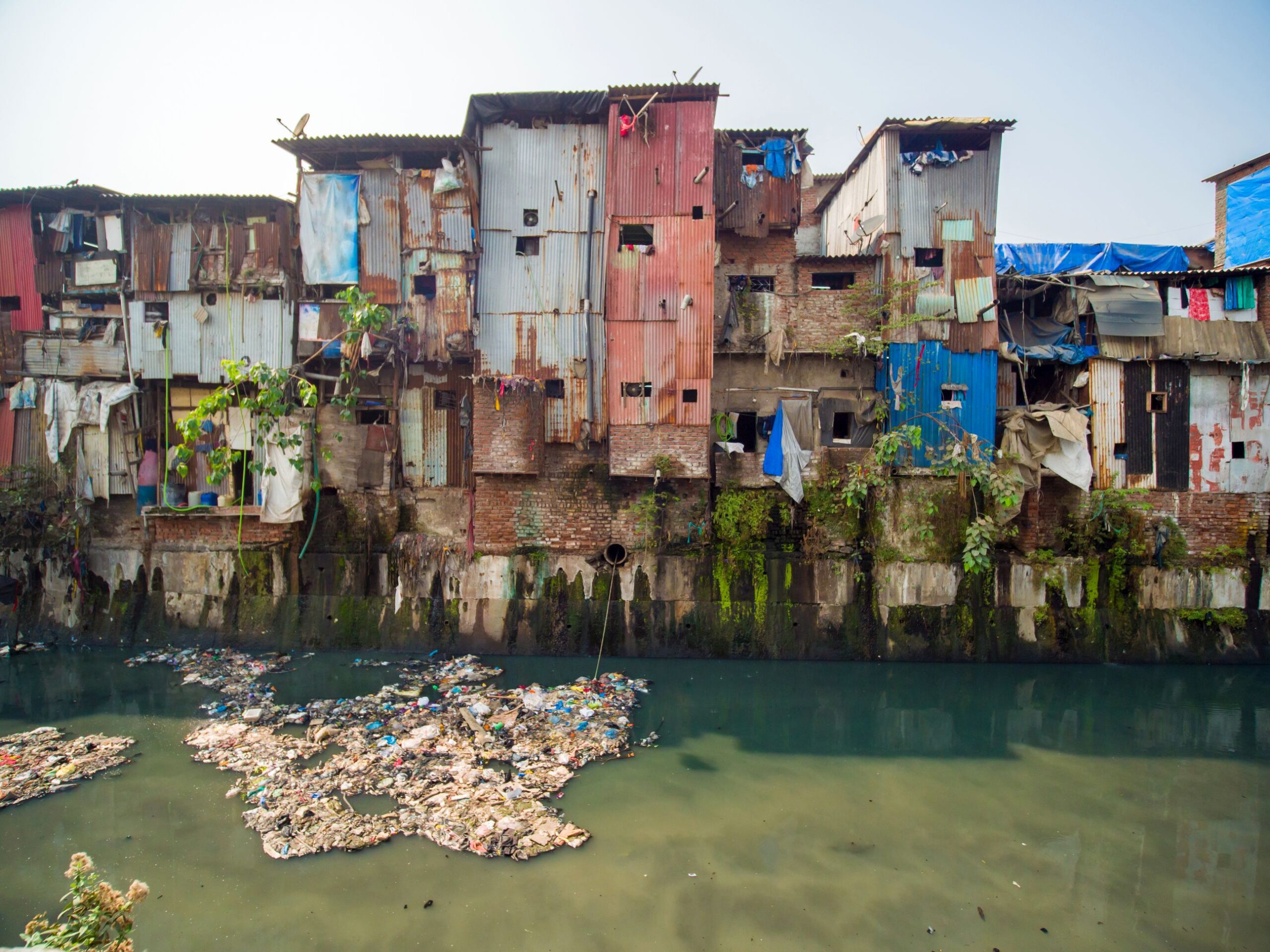
India’s burgeoning urban centres, notably Pune and Mumbai, are caught in a deepening vortex of infrastructural decay, chronic resource shortages, and environmental degradation, a crisis largely attributed to systemic municipal neglect, ineffective master planning, and an unchecked real estate boom. This confluence of factors is actively hollowing out civic amenities, threatening the very liveability and long-term sustainability of the nation’s key economic engines, demanding an urgent re-evaluation of urban governance frameworks.
A closer examination of Pune’s developmental trajectory, mirroring parallel failures in other metropolitan areas like Bengaluru, Chennai, and Delhi, reveals a disturbing pattern. The Pune Municipal Corporation (PMC), for instance, has a dismal record in implementing its 1987 Development Plan (DP). Out of 609 land reservations earmarked for essential civic amenities such as schools, hospitals, and green spaces, a mere 22% (134 sites) were developed over 25 years, while 22 sites were controversially de-reserved. Furthermore, new suburbs integrated into the municipality post-2017 remain without statutory plans, leaving fringe villages to grow without even rudimentary infrastructure.
Also Watch: “Mumbai will rock, shine and always be India’s best city to live.” In an exclusive, MHADA CEO Sanjeev Jaiswal (IAS) talks about Mumbai’s enduring charm, livability, and the government’s focus on making it affordable for all
The much-touted ‘Smart-City’ initiatives, intended to course-correct these deficiencies, have largely devolved into a patchwork of incomplete projects due to delays, funding gaps, and misaligned priorities. Core urban challenges like mass transit expansion, vital river clean-up programmes, and slum rehabilitation efforts continue to languish. Emblematic of this systemic failure is the Mahalunge-Maan Town Planning Scheme, envisioned as a flagship ‘hi-tech city’ launched in 2017, which, seven years on, remains a landscape of half-built towers surrounded by inadequate services, besieged by flood-line errors and ongoing litigation.
The real estate sector’s unchecked pursuit of profit exacerbates this urban crisis. Developers often prioritise luxury constructions in areas where land acquisition is cheapest, eschewing locations designated for public or affordable housing. This has led to a stark housing disparity, exemplified by Mumbai where 42% of its population is squeezed into just 8% of the city’s land area. Concurrently, previously serene residential localities in Pune, such as Baner and Kalyani Nagar, have been transformed into chaotic commercial corridors due to unregulated conversion of bungalows into businesses, often lacking essential parking, fire safety, or waste management infrastructure. This unplanned densification places immense strain on already stretched civic services, compelling residents to pay premiums for basic amenities like tanker water and private transport, effectively privatising essential public services.
Adding to the complexity is a glaring governance vacuum. In Pune, the absence of elected corporators for three years has crippled local accountability, dissolving budget oversight and multiplying project delays. This bureaucratic bottleneck, replicated in cities like Bengaluru and Chennai, fosters an environment ripe for opportunistic land-use tweaks and private gain, as noted by urban planners. With 39% of Indian state capitals lacking active master plans, and existing plans routinely subject to last-minute, non-transparent modifications, the blueprint for sustainable urban development remains deeply compromised.
However, the predicament, while severe, is not insurmountable. Global precedents from cities like Copenhagen, Milan, and Tokyo demonstrate that compact planning, robust public transit integration, and people-centric urban design can dramatically reduce congestion, emissions, and improve liveability. As India prepares to house an additional 600 million urban residents by 2030, a decisive shift towards transparent, ecologically anchored, and inclusive urban governance is imperative. The choice is clear: either continue on a path that leads to suffocating, inequitable cities or embrace a comprehensive urban renaissance that prioritises the well-being of its citizens and fuels national prosperity. The time for resolute political will and transformative action is now.
Also Read: Air India Flight AI 2744 Skids Off Mumbai Runway Amid Rain Today
