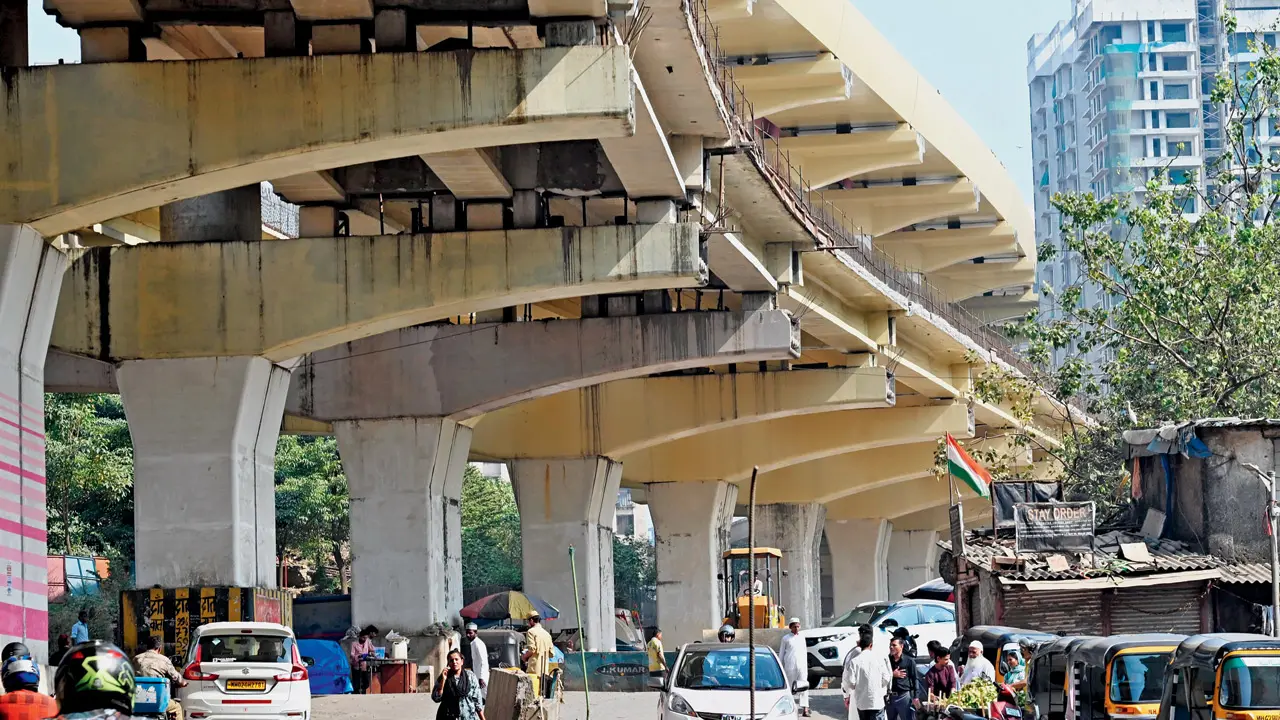
The Maharashtra government is examining a proposal to initially restrict the Mumbai Pune Missing Link to passenger vehicles, a move aimed at easing the transition into one of the state’s most complex highway upgrades. The 13.3-km Mumbai Pune Missing Link, designed to bypass the accident-prone ghat stretch between Khandala and Lonavala, is expected to open shortly. However, stakeholders have recommended that for the first six months only cars, SUVs and other light motor vehicles be permitted, deferring access for heavy trucks and buses.
Officials familiar with the proposal indicate that the phased approach would allow authorities to monitor traffic patterns, tunnel ventilation systems and emergency response mechanisms under controlled volumes before introducing commercial traffic. The new alignment includes twin tunnels one stretching nearly nine kilometres and cable-stayed bridge structures, requiring calibrated operations during the initial phase. The Missing Link connects Kusgaon to Khopoli, effectively shortening the corridor by avoiding a 19.8-km ghat section known for congestion and weather-related disruptions. Transport planners estimate that the project could reduce travel time between Mumbai and Pune by around 30 minutes under free-flow conditions.
The existing Mumbai-Pune Expressway, operational since 2002, carries approximately 75,000 vehicles daily, with volumes crossing one lakh during peak weekends and holidays. Urban mobility analysts argue that introducing heavy vehicles into the new tunnel section from day one could complicate traffic management, especially given the mix of commuter cars and freight movement. A senior transport official noted that phased commissioning is common in large infrastructure projects, particularly where long tunnels are involved. Controlled traffic loads can help test incident management systems, lighting, fire safety infrastructure and evacuation protocols. In mountainous terrain, heavy vehicles require additional braking distance and may influence overall flow dynamics.
From an economic perspective, the Mumbai Pune Missing Link is expected to strengthen connectivity between two of Maharashtra’s largest economic centres, supporting logistics, residential expansion and business travel. Real estate markets along both corridors have historically responded to improvements in travel time, with enhanced accessibility often translating into increased development interest. However, mobility experts caution that expanding road capacity without parallel investment in public transport and rail connectivity may intensify private vehicle dependence.
As Maharashtra pursues climate resilience targets, infrastructure decisions will increasingly be assessed against their long-term emissions impact.
For now, the proposal to restrict access during the initial months reflects a safety-first approach. The state government is yet to announce a final decision on vehicle categories permitted at launch. How the Mumbai Pune Missing Link is operationalised in its first phase may set the tone for future highway modernisation projects balancing speed, safety and sustainable growth in India’s busiest urban corridors.
Mumbai Pune Expressway Missing Link Phased Opening