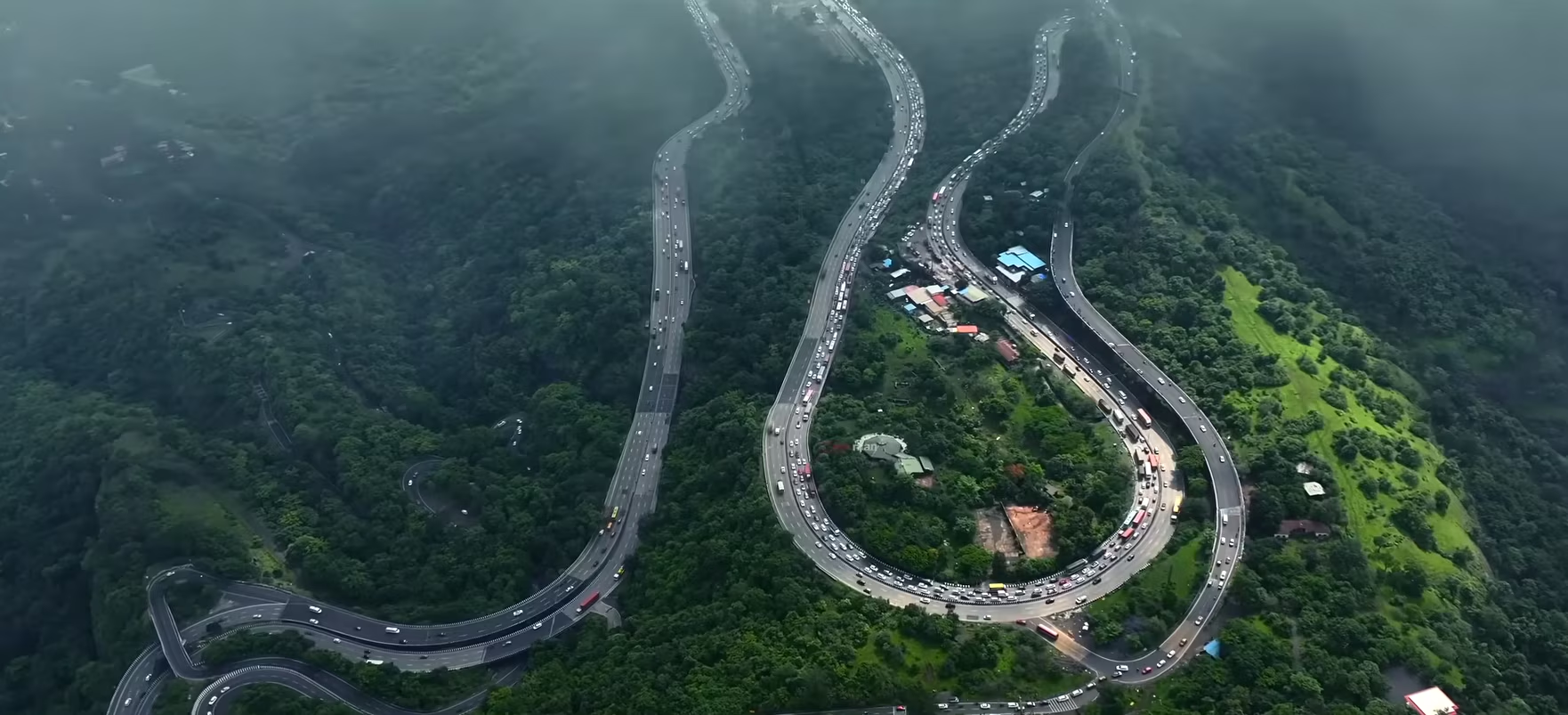
A long-pending gap on the Pune–Mumbai Expressway is set to close on May 1, 2026, marking a decisive shift in how India’s most intensively travelled intercity corridor functions. The opening of the final unfinished stretch widely known as the Pune Mumbai Expressway missing link will enable uninterrupted high-speed travel between the two cities, cutting journey time by an estimated 30 minutes and easing one of western India’s most persistent transport bottlenecks.
For over two decades, the expressway has served as a backbone for daily commuters, logistics operators, and intercity buses. Yet a short but critical incomplete section forced vehicles onto slower surface roads, creating congestion, safety risks, and unpredictable delays. Its completion now allows traffic to remain on controlled-access lanes throughout the route, fundamentally altering travel reliability between Maharashtra’s financial and industrial capitals.Urban transport planners say the change is not merely about speed. Consistent journey times can reduce peak-hour stress, lower fuel consumption caused by stop-start traffic, and improve fleet efficiency for freight operators. Industry estimates suggest logistics companies operating on the corridor could see meaningful savings in turnaround time, particularly for time-sensitive goods moving between ports, manufacturing clusters, and distribution hubs.
The infrastructure upgrade also has implications for regional development. Towns and industrial areas along the corridor are expected to become more accessible as travel patterns stabilise. Real estate analysts note that improved expressway continuity typically reshapes housing demand, particularly for mid-income residential projects near interchanges, while also increasing pressure on local planning authorities to manage growth responsibly.Authorities have indicated that the opening of the Pune Mumbai Expressway missing link will be accompanied by safety and operational upgrades, including improved lighting, clearer signage, upgraded barriers, and redesigned toll interfaces. These measures are critical, given the higher average speeds expected once traffic flows seamlessly end to end. Road safety experts caution that enforcement and driver awareness will need to keep pace with infrastructure improvements to prevent accident risks on the faster corridor.
From a climate and sustainability perspective, smoother traffic flow could deliver modest emissions benefits by reducing idling and inefficient diversions. However, urban policy specialists stress that expressway upgrades must be complemented by investment in public transport and last-mile connectivity to avoid inducing excessive private vehicle dependence between the two cities. As the May deadline approaches, commuters and transport operators are being advised to watch for phased traffic adjustments and operational trials. Once fully functional, the completed expressway is expected to redefine daily mobility, logistics planning, and intercity connectivity highlighting how closing small infrastructure gaps can unlock outsized economic and civic value for rapidly growing urban regions.
Mumbai Pune Expressway missing link opens May