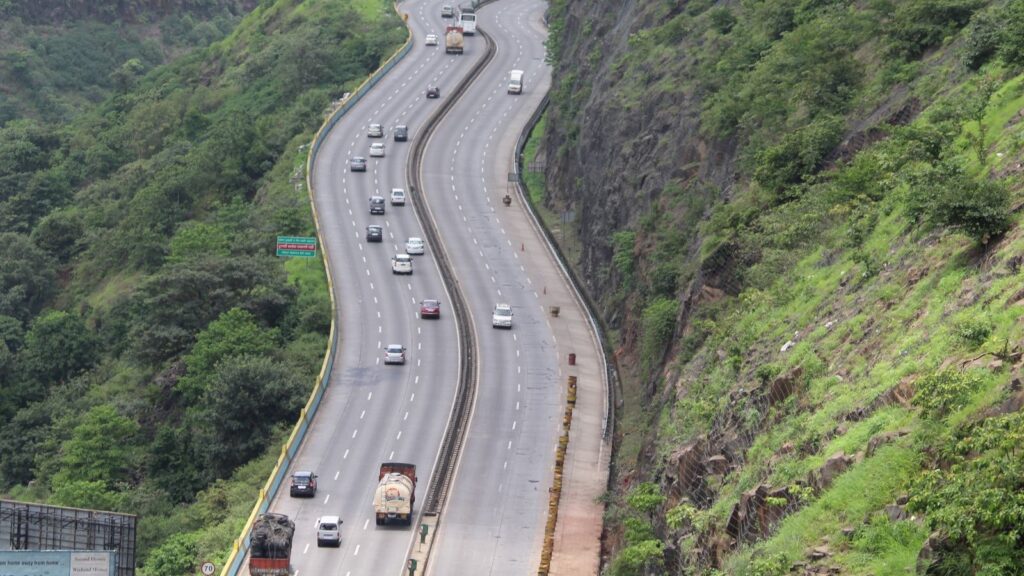
Mumbai Pune Expressway Chaos Exposes Urban Mobility Gaps
A prolonged traffic collapse on the Mumbai‑Pune Expressway has triggered political criticism and renewed scrutiny of urban transport planning in Maharashtra’s busiest mobility corridor, after commuters were trapped for more than 20 hours following a major accident and subsequent closure. Opposition leaders have spotlighted a lack of emergency response and basic commuter care, underscoring wider concerns about resilience and infrastructure readiness in the state’s rapidly urbanising heartland.
On February 4, a senior opposition figure publicly challenged the state government’s handling of the incident, highlighting that motorists were stranded without access to food, drinking water or sanitation for more than a day. The criticism came as commuters grappled with gridlock stretching for kilometres on one of India’s most critical expressways linking two major economic centres. The Mumbai‑Pune Expressway — a 94‑km access‑controlled highway that drastically reduced travel time between the metropolitan agglomerations when it opened — has been under pressure due to increasing traffic volumes and intermittent disruptions caused by accidents and bottlenecks in ghat sections. While the immediate trigger for the February crisis was a gas tanker collision near the Khandala stretch, emergency response agencies struggled to restore normal movement quickly, leaving hundreds of vehicles stranded overnight. Relief teams eventually cleared the obstruction, but the episode exposed gaps in contingency planning for major transport arteries. Urban mobility experts say the incident underscores systemic challenges in Maharashtra’s transport network readiness. High‑capacity corridors like expressways are designed to move large flows of goods and people efficiently, but their effectiveness depends on well‑coordinated incident management, real‑time diversion strategies and commuter support infrastructure — elements that were visibly under strain during the gridlock.
In the wake of the chaos, policymakers have revived focus on finishing critical segments of expressway expansion projects, such as the long‑delayed “missing link” bypass around the steep ghat section near Lonavala — a stretch intended to shorten travel distance and improve safety but delayed repeatedly. Completion of the missing link, now targeted for opening by May 2026, could mitigate future congestion by enabling smoother traffic flow through terrain‑challenged stretches. Transport analysts observe that as Maharashtra’s cities grow and intercity commuting intensifies, heavy reliance on expressways without parallel investment in rail services and public transit options can exacerbate vulnerability to disruptions. Greater integration of alternate transport nodes — including intercity trains and bus rapid transit — could provide more resilient mobility options for daily and weekend travellers alike.The political repercussions of the expressway gridlock also underscore the governance stakes in infrastructure delivery. Calls for holding both government agencies and private operators accountable for commuter care — including provisions for basic amenities along toll corridors — point to evolving public expectations for service‑oriented transport infrastructure.
For urban planners and administrators, the incident serves as a reminder that physical capacity upgrades must be paired with robust operational frameworks, emergency readiness and commuter support systems. As Maharashtra accelerates its broader infrastructure agenda, from expanded metro networks to expressway extensions, ensuring resilience and inclusivity in transport corridors will be vital to sustaining equitable, people‑centred urban mobility.