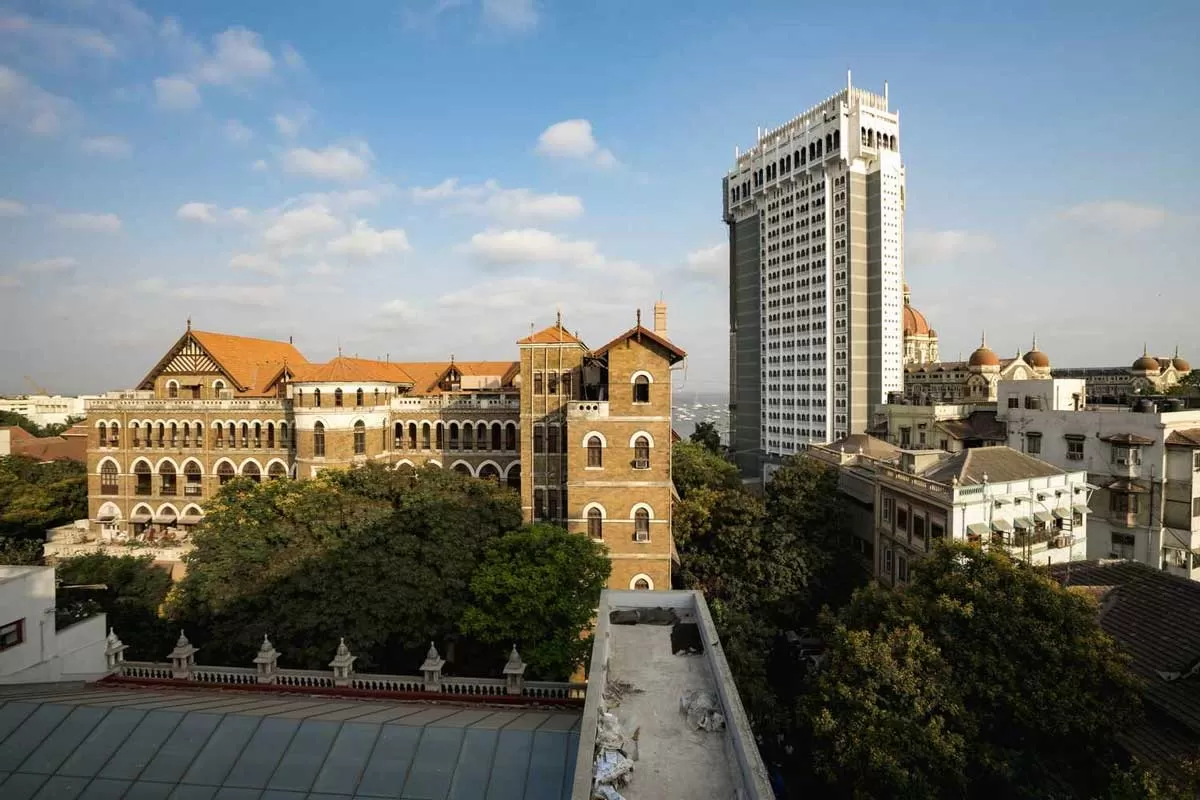
Mumbai Public Hearings Planned On Proposed Iconic Buildings Development Policy
Mumbai’s civic authorities are preparing to hold public hearings next week on the proposed Iconic Buildings policy, a move that has stirred citywide debate among urban planners, conservationists, and residents. The hearings will gather formal suggestions and objections before the civic body submits its report to the urban development department for final consideration.
The policy, introduced under the Development Control and Promotion Regulations (DCPR) 2034 through a notification issued in June 2025, aims to encourage the construction of distinctive structures that could redefine Mumbai’s skyline. City officials describe these “iconic buildings” as those with unique characteristics in shape, design, and concept, intended to enhance the city’s visual identity while integrating public spaces.While supporters view the policy as a chance to elevate Mumbai’s global architectural standing, critics warn of potential risks to heritage conservation, equitable urban access, and the city’s environmental balance. One consolidated objection, backed by more than 2,200 signatures from architects, artists, and citizens, has called for the complete withdrawal of the proposal. Concerns range from the possibility of excessive commercialisation to fears that poorly regulated development could undermine Mumbai’s cultural fabric.
Urban design experts have suggested several safeguards, including a clear definition of historical, cultural, and environmental parameters, competitive design selection to prevent favouritism, and a comprehensive skyline review process to assess visual impact. Many argue that without stringent regulations, the policy could trigger unsustainable construction, strain infrastructure, and compromise the city’s carbon reduction goals.According to the draft, an iconic building cannot be entirely residential; at least 40 per cent of its built-up area must be accessible to the public, such as plazas, galleries, or performance spaces. The structures must also be located on plots with adjoining roads at least 18 metres wide, ensuring ease of access. Officials argue this ensures such developments benefit the wider public rather than serving exclusive commercial or private interests.
Proponents within the civic body believe the policy could deliver modern landmarks comparable to those in global cities, stimulate tourism, and position Mumbai as a hub for contemporary architecture. However, urban sustainability advocates insist that any new policy must prioritise low-carbon construction methods, green building standards, and gender-inclusive, equitable public spaces.As the hearings approach, the debate underscores a deeper question about the future of Mumbai’s urban identity whether the city will opt for rapid visual transformation or adopt a measured approach that safeguards its heritage, community access, and environmental commitments.