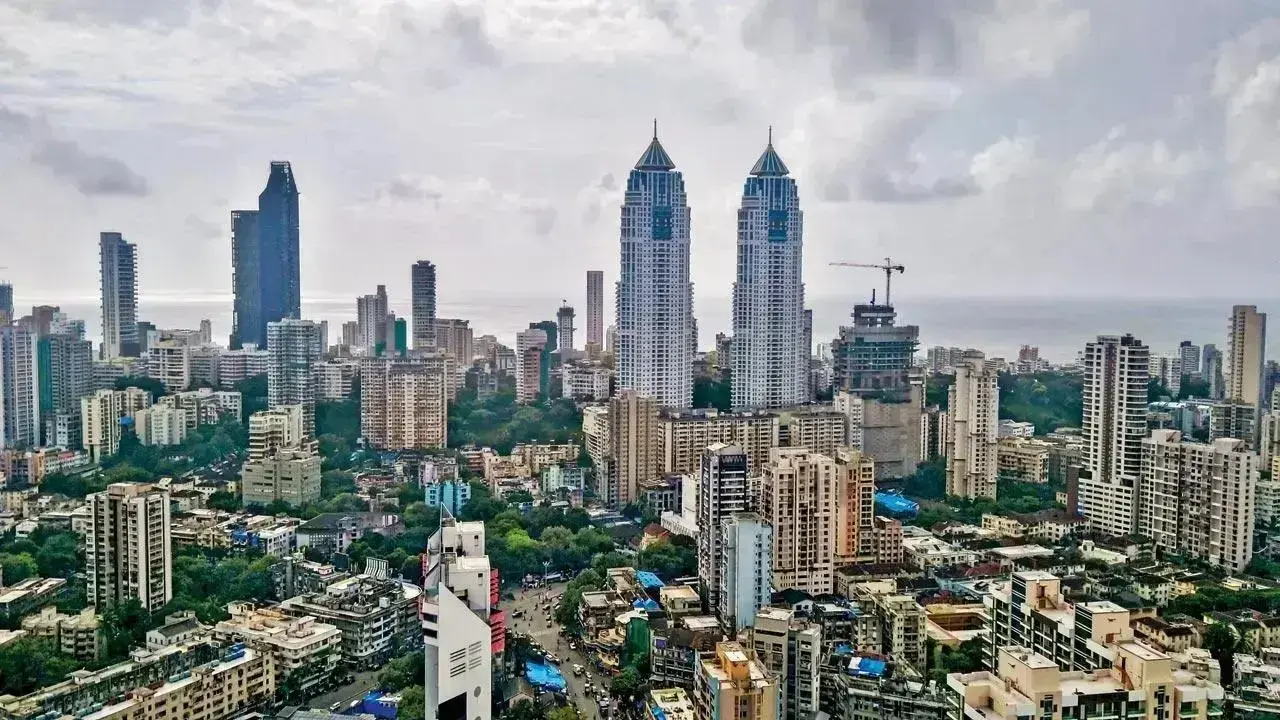
Property transactions in Mumbai recorded a notable uptick in March 2026, with registration volumes reaching their highest level for the month in over a decade. The rise signals continued resilience in the city’s housing market, even as broader economic uncertainties persist.
Data compiled from official records indicates that Mumbai property registrations crossed the 15,900 mark during the month, reflecting a modest year-on-year increase but a significant milestone in terms of historical performance. The figures also represent a sharp rise compared to February, suggesting renewed momentum in home-buying activity as the financial year drew to a close. Industry observers attribute this sustained demand largely to end-users rather than speculative investors. Residential properties continue to dominate transaction volumes, accounting for a substantial majority of registrations. This trend points to stable housing demand driven by household formation, income growth, and a preference for asset-backed investments in a volatile financial environment.
Experts tracking the market note that the strength in Mumbai property registrations underscores a deeper structural shift. Buyers are increasingly prioritising ownership in well-connected urban locations, particularly where infrastructure improvements—such as metro expansions and road connectivity—enhance long-term value. This has helped maintain transaction volumes despite rising property prices in several micro-markets. From an economic standpoint, the growth in registrations has direct implications for government revenues through stamp duty collections, while also signalling broader activity across allied sectors such as construction, home finance, and urban services. A steady transaction pipeline supports employment and investment cycles, contributing to the city’s economic stability.
Urban planners, however, caution that sustained demand must be matched with responsible development. As Mumbai continues to densify, the need for adequate infrastructure, open spaces, and climate-resilient design becomes increasingly critical. High transaction volumes, if not aligned with planned growth, can exacerbate pressure on transport systems, utilities, and environmental resources. The data also reflects the enduring role of real estate as a preferred asset class in India’s financial landscape. While alternative investments have gained traction, residential property continues to offer perceived stability, particularly in established markets like Mumbai. This confidence is reinforced by regulatory reforms in recent years that have improved transparency and buyer protection.
Looking ahead, analysts expect demand to remain steady in the near term, supported by favourable financing conditions and continued urbanisation. However, the trajectory of Mumbai property registrations will depend on factors such as interest rates, supply dynamics, and the pace of infrastructure delivery across the metropolitan region. As the city navigates its next phase of growth, balancing market momentum with sustainable urban planning will be essential to ensure that rising property activity translates into long-term liveability and inclusive development.
Mumbai Property Registrations Hit Fourteen Year March Peak