


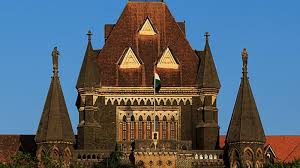
The Supreme Court of India has directed the eviction of a son from residential properties owned by his elderly parents in Mumbai, reaffirming that tribunals under the Maintenance and Welfare of Parents and Senior Citizens Act, 2007 have the authority to restore possession when senior citizens are denied residence in their own homes.
The ruling overturns an earlier order of the Bombay High Court, which had questioned whether eviction could be ordered when the respondent was approaching the age threshold defined under the statute. The apex court clarified that the relevant date for determining age is when the complaint is filed, not when the matter is adjudicated later. The dispute arose after an elderly couple, both in their late seventies and eighties, returned to Mumbai from their native village and found themselves locked out of two properties they owned in suburban neighbourhoods. The parents had earlier entrusted management of the homes to their children during their absence. When access was denied, they approached the Senior Citizens Tribunal seeking maintenance and restoration of possession. In 2024, the tribunal ordered the son to vacate the premises and directed monthly maintenance payments. The appellate authority upheld that decision. The High Court later set aside the eviction order, prompting the parents to approach the Supreme Court.
In allowing the appeal, the Supreme Court emphasised that the Senior Citizens Act is a welfare statute designed to secure dignity and shelter for older persons. Legal observers say the judgement reinforces the intent behind the Senior Citizens Act eviction framework to prevent elderly homeowners from being displaced or economically coerced within their own properties. Urban housing experts note that disputes of this nature are increasingly surfacing in large cities where property values have surged. As multi-generational households fragment and real estate becomes a high-value asset class, questions around occupancy rights and elder care have gained urgency. The Senior Citizens Act eviction mechanism is therefore viewed as an essential safeguard within India’s rapidly urbanising environment. With Mumbai’s residential market among the costliest in the country, ownership disputes can carry significant financial implications. However, planners argue that beyond monetary value, housing security for the elderly is fundamental to inclusive and people-first urban development. Ensuring that senior citizens retain control over self-acquired property aligns with broader goals of equitable city growth and social resilience. The Court granted the son limited time to furnish an undertaking to vacate, failing which the eviction order can be executed immediately.
For policymakers and urban administrators, the judgement signals that statutory protections for elderly homeowners will be interpreted purposively. As India’s ageing population rises, clarity around the Senior Citizens Act eviction process may become central to safeguarding both property rights and social stability in metropolitan regions.
Also Read: Gurugram Signature Global RMZ Form Joint Venture
Mumbai Property Dispute Under Senior Citizens Act
