


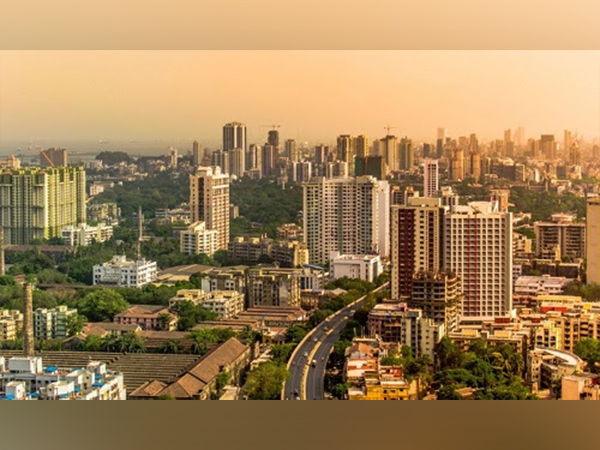
A large-scale residential property showcase scheduled this month in Mumbai is offering a snapshot of how the city’s housing market is recalibrating after years of rapid price growth and supply expansion. The two-day Mumbai property carnival, bringing together multiple major developers in one venue, underscores a shift towards demand-led sales strategies focused on flexibility, transparency, and buyer confidence rather than volume-driven launches.
Set to take place in the city’s eastern suburbs, the event consolidates a wide range of residential projects across price points and locations. Market observers say such formats have gained traction as buyers become more discerning, seeking clarity on project delivery timelines, infrastructure readiness, and long-term liveability before committing capital. For developers, collective platforms reduce outreach costs while allowing them to test real demand in a cautious market environment. The timing is significant. Mumbai’s housing supply pipeline has slowed over the past year, with fewer new projects entering the market amid regulatory delays and rising land costs. Yet end-user interest remains stable, particularly in micro-markets benefiting from metro expansion, road upgrades, and improved social infrastructure. Events like the Mumbai property carnival reflect an attempt to bridge this gap by aligning offerings more closely with household affordability and payment capacity. A notable feature of the current sales approach is the emphasis on alternative payment structures. Industry analysts point out that deferred payment schedules, lower initial outlays, and possession-linked plans are increasingly being used to manage buyer risk in a high-interest-rate environment. While such mechanisms improve access for middle-income households, urban economists caution that they must be backed by strong balance sheets and regulatory compliance to avoid systemic stress.
The mix of participating developers from legacy groups to newer residential platforms also illustrates a broader trend towards consolidation and brand trust in Mumbai’s real estate sector. Buyers, especially first-time homeowners, are gravitating towards established names with proven delivery records, reflecting heightened awareness around project execution and legal safeguards. From a city-planning perspective, the concentration of housing demand in specific corridors raises important questions. While improved connectivity has made suburban and peripheral areas more attractive, planners warn that housing growth must be matched with investments in water, public transport, schools, and open spaces to remain sustainable. Compact home designs and efficient land use, which dominate current offerings, could support lower per-capita energy consumption if paired with green building practices.
Looking ahead, the Mumbai property carnival format may become more common as the market evolves. Rather than signalling a speculative surge, it reflects a housing sector adapting to informed buyers, tighter regulation, and the need for responsible urban growth. The challenge will be ensuring that convenience-led sales models translate into resilient neighbourhoods and inclusive housing outcomes over the long term.
Also Read: Mumbai Housing Market Sees Developers Pull Back
