


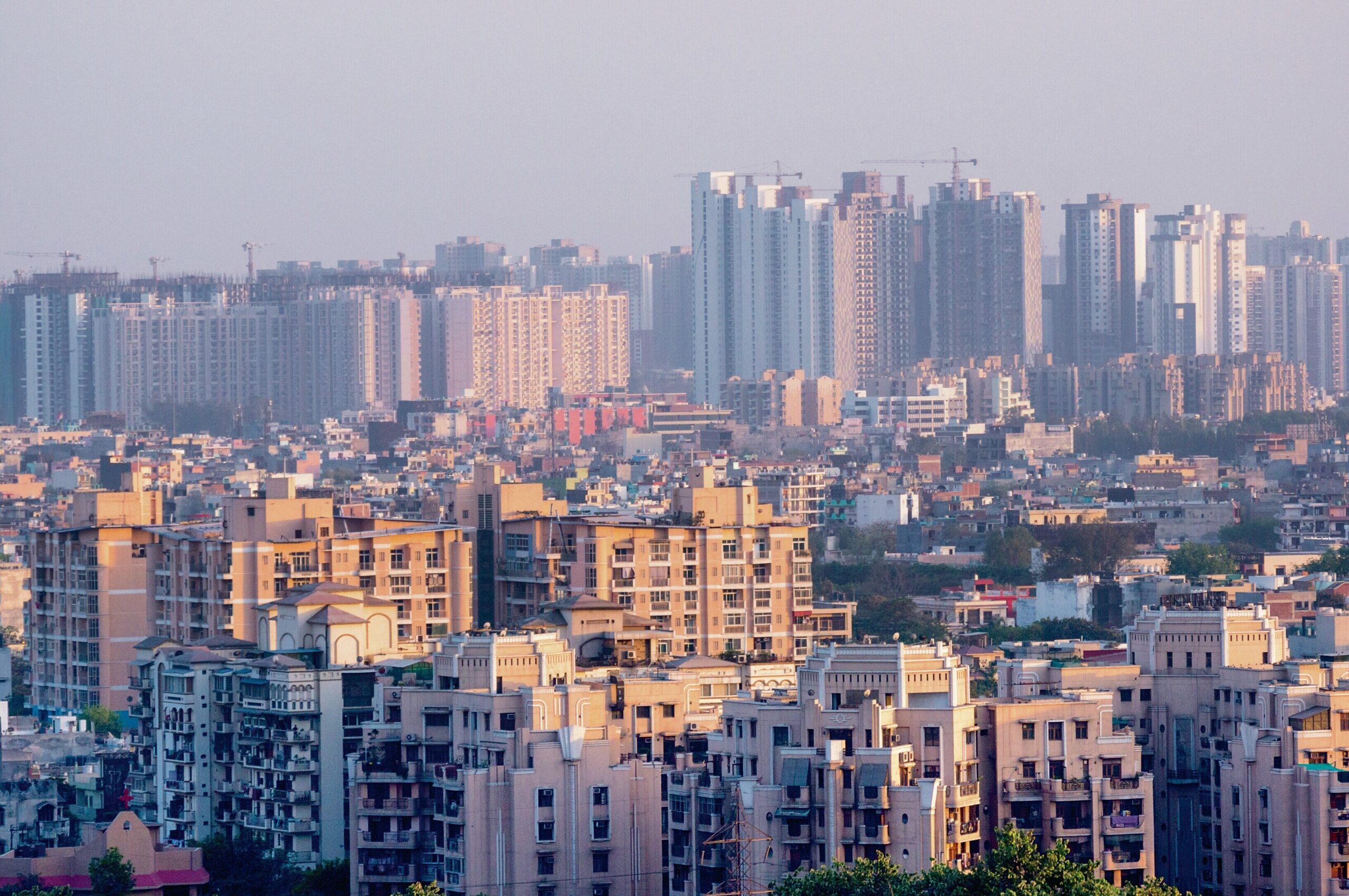
Mumbai’s ultra-luxury housing segment has recorded another high-value transaction, reinforcing the city’s position as India’s most expensive residential market. A large-format apartment in Worli, one of the city’s most sought-after coastal neighbourhoods, has changed hands for over Rs 120 crore, marking one of the biggest residential deals of the year.
The transaction involves a spacious residence exceeding 7,000 square feet in a premium high-rise development located along Hind Cycle Marg. Property registration records indicate that the apartment was acquired at a per-square-foot rate that places it firmly within the top tier of residential pricing nationally. The home includes extensive internal space, private balconies and multiple car parking allocations, features that have become standard expectations among buyers at this end of the market. Industry experts say the deal highlights the continued depth of demand for ultra-luxury housing in Mumbai, even as mid-market segments face affordability pressures. Worli, in particular, has emerged as a focal point for high-value transactions due to its sea-facing locations, proximity to business districts, and improved connectivity through coastal and arterial road infrastructure. Market analysts note that ultra-high-net-worth buyers are increasingly prioritising asset quality, exclusivity and long-term capital preservation over short-term returns. Unlike speculative investments, these purchases are often driven by end-use considerations, legacy planning and portfolio diversification. As a result, transaction volumes in the luxury segment remain limited, but pricing has continued to edge upwards in select micro-markets.
Data from property registration and analytics platforms also indicate that stamp duty and registration contributions from such transactions generate substantial revenue for the state, even though the number of deals is relatively small. Urban economists point out that while luxury housing does not address Mumbai’s affordability challenge, it plays a role in sustaining real estate liquidity and funding broader urban infrastructure through taxes and development charges. The seller of the apartment is part of a long-established Mumbai-based real estate and retail conglomerate with interests spanning commercial offices, malls and residential development. Industry observers say that transactions between established business families are common in the ultra-luxury segment, where discretion, asset quality and legal clarity are critical. Worli has seen a series of large-ticket residential transactions over the past year, including multiple deals involving sea-facing apartments and multi-unit acquisitions within legacy residential complexes. This clustering of high-value sales suggests a consolidation of wealth-driven housing demand within a few premium neighbourhoods rather than across the wider city. Urban planners caution, however, that continued concentration of luxury development along Mumbai’s coastline raises questions around infrastructure load, climate resilience and equitable land use. Flood risk, traffic congestion and access to public spaces remain ongoing challenges in high-density coastal zones.
Looking ahead, Mumbai’s luxury housing market is expected to remain selective and supply-constrained. While headline-grabbing transactions capture attention, the longer-term urban challenge lies in balancing premium development with inclusive housing supply, resilient infrastructure and liveable neighbourhoods in a city where land remains its most contested resource.
Also Read: Mumbai MHADA Flat Sales Face Digital Setback
Mumbai Prime Housing Records Rs 120 Crore Deal
