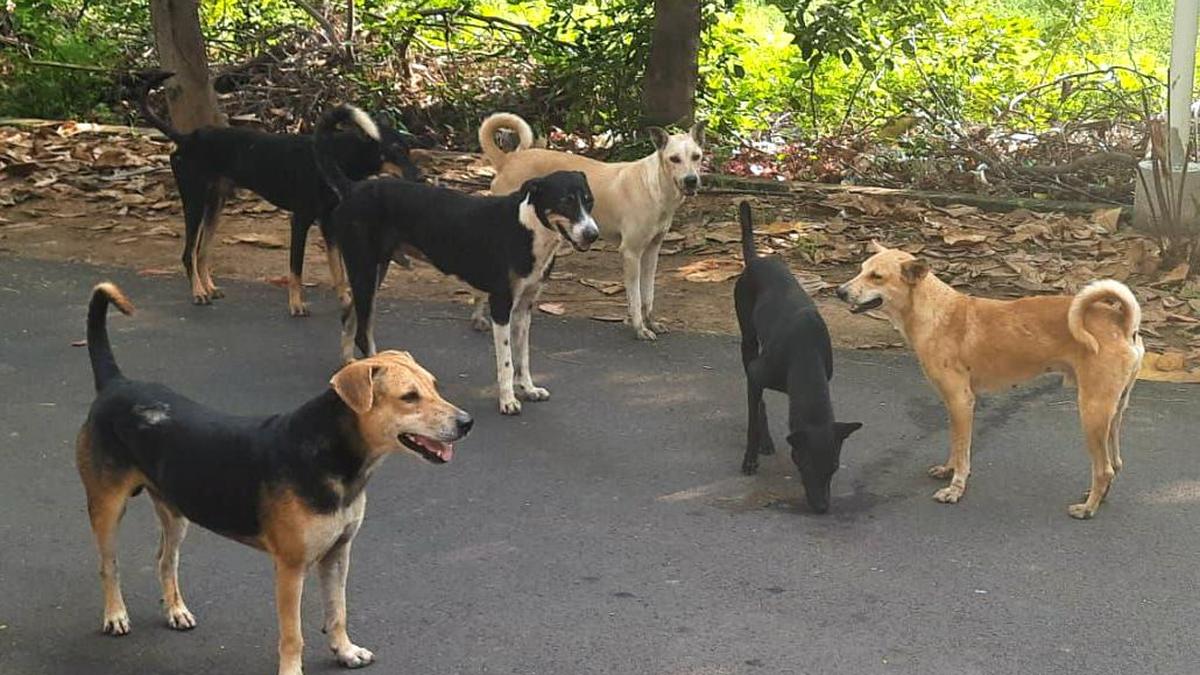
Mumbai’s municipal administration is preparing to establish a large shelter for stray dogs in Malwani, marking a significant shift in how the city manages free-roaming animals in dense urban neighbourhoods. The proposed facility, planned on a five-acre parcel in the western suburbs, is part of a broader strategy to relocate dogs from sensitive public areas such as hospitals, educational institutions, and transport hubs while continuing sterilisation programmes.
The proposal is currently awaiting clearance from the state’s urban development authorities. If approved, it would become the first large-scale municipal shelter in Mumbai designed specifically for the long-term management of the city’s stray dog population. Officials involved in the project said the Mumbai stray dog shelter initiative follows national judicial directives issued in late 2025 instructing states and Union Territories to move stray dogs away from high-footfall public spaces and house them in designated facilities. The move reflects growing concern about public safety, animal welfare, and disease prevention in large metropolitan areas.
Municipal data indicates that Mumbai continues to host a sizeable population of stray dogs despite years of sterilisation campaigns. A recent assessment by civic authorities estimated that the city has more than 90,000 stray dogs, representing a modest decline compared with figures recorded a decade earlier. For years, the city relied on the Animal Birth Control programme, which involves sterilising dogs and releasing them back into the same neighbourhoods to prevent territorial conflict and population growth. Officials now say the approach will evolve to include relocation to shelters in specific circumstances.
Under the new framework, dogs identified in crowded public institutions—such as railway stations, stadiums, bus depots and healthcare facilities—would be captured, sterilised where necessary, and then transferred to the proposed Mumbai stray dog shelter rather than returned to the streets. Urban planners say the initiative reflects the increasing complexity of managing animal populations in rapidly expanding cities. Dense residential districts, growing transport infrastructure, and public health concerns have placed greater pressure on municipal administrations to balance safety and humane treatment.
The Malwani facility is expected to be designed according to guidelines issued by the national animal welfare regulator for institutional dog shelters. These norms specify standards for enclosure size, veterinary care infrastructure, feeding areas, open exercise spaces, and waste management systems. Shelters must also maintain secure fencing and employ trained caretakers to manage daily operations. While the final capacity of the facility is yet to be determined, officials indicated that shelters of varying sizes—capable of accommodating hundreds of animals—are recommended under national guidelines.
Public health experts note that improving infrastructure for animal care is closely linked to rabies prevention and urban hygiene. Mumbai’s civic authorities have been conducting community awareness campaigns in schools and neighbourhoods to encourage safe interactions with animals and vaccination awareness. Urban sustainability specialists argue that managing animal populations is increasingly part of broader city planning. Humane shelters, vaccination drives, and waste management improvements can together reduce human-animal conflict in dense neighbourhoods.
As Mumbai continues to expand and redevelop, the proposed shelter could become a test case for how large cities integrate animal welfare into urban governance while maintaining safe and accessible public spaces.
Mumbai Prepares Dedicated Facility To Manage Stray Dog Population