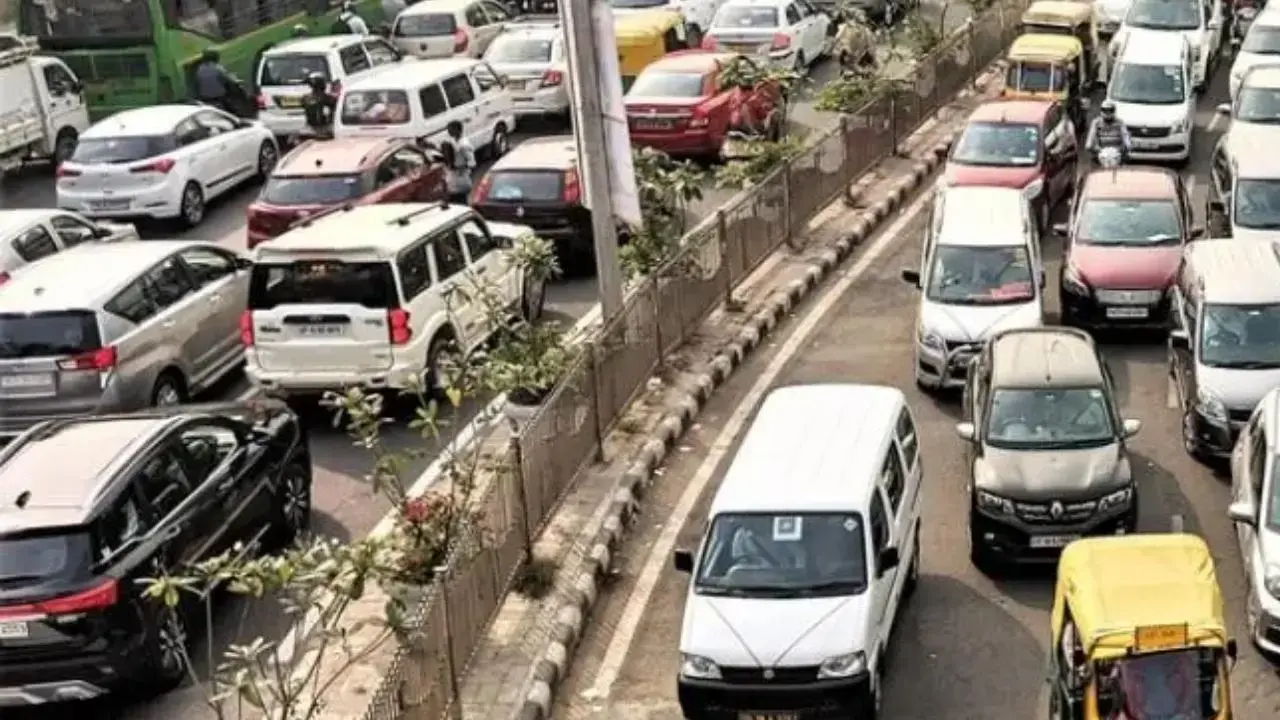
Mumbai’s transport authorities have announced temporary traffic regulations in Sion East as part of preparations for the upcoming Brihanmumbai Municipal Corporation elections, marking another instance of how civic processes intersect with daily urban mobility in one of India’s most densely populated cities. The measures, which come into force from mid-morning on January 13 and remain until late January 17, are designed to ensure uninterrupted movement of election materials and secure access to counting facilities serving multiple municipal wards.
The restrictions centre on the vicinity of a municipal school campus in Sion East that has been designated as both the election office and strong room for wards 172 to 181. According to officials overseeing traffic management, the area will see heightened logistical activity over several days, including the arrival, storage and retrieval of electronic voting machines and related equipment. Managing this movement without disrupting essential services has become a priority, particularly in neighbourhoods already burdened by congestion. Urban planners note that such election-period traffic controls, while temporary, highlight the structural challenges faced by Mumbai’s older residential precincts. Narrow internal roads, mixed land use and limited parking capacity make it difficult to accommodate large-scale administrative operations without affecting residents. In this case, authorities have exempted local vehicles from no-entry restrictions, attempting to strike a balance between civic necessity and neighbourhood accessibility.
Several internal roads in Sion East will function as controlled access corridors during the period, with parking prohibited to keep routes clear for authorised vehicles. Commuters passing through the area have been advised to rely on arterial connections such as the Eastern Express Highway and Sion–Trombay Road to bypass the affected stretches. Enforcement teams will be deployed throughout the period, with violations attracting penalties under prevailing motor vehicle regulations. From a broader urban governance perspective, election-related traffic planning is increasingly viewed as a test of institutional coordination. Transport experts point out that predictable, well-communicated restrictions reduce fuel wastage, emissions from idling vehicles and last-minute route changes — all of which align with Mumbai’s longer-term climate resilience goals. Clear diversion planning also helps essential workers, caregivers and emergency services navigate the city with minimal disruption.
The Sion East measures follow similar traffic advisories recently issued in western suburbs such as Kandivali and Malad, indicating a citywide operational template for managing civic polls in high-density zones. Officials suggest that staggered timings and temporary controls, rather than blanket closures, are becoming the preferred approach. As Mumbai continues to modernise its election infrastructure while grappling with spatial constraints, such interventions underline the need for purpose-built civic facilities and decentralised logistics hubs. For residents, the immediate ask remains simple: plan journeys carefully, follow advisories, and recognise that short-term inconvenience plays a role in enabling a transparent and orderly democratic process.
Mumbai Police Restrict Sion East Roads Temporarily