Mumbai Police Housing Plan Sees Strategic Leadership Change
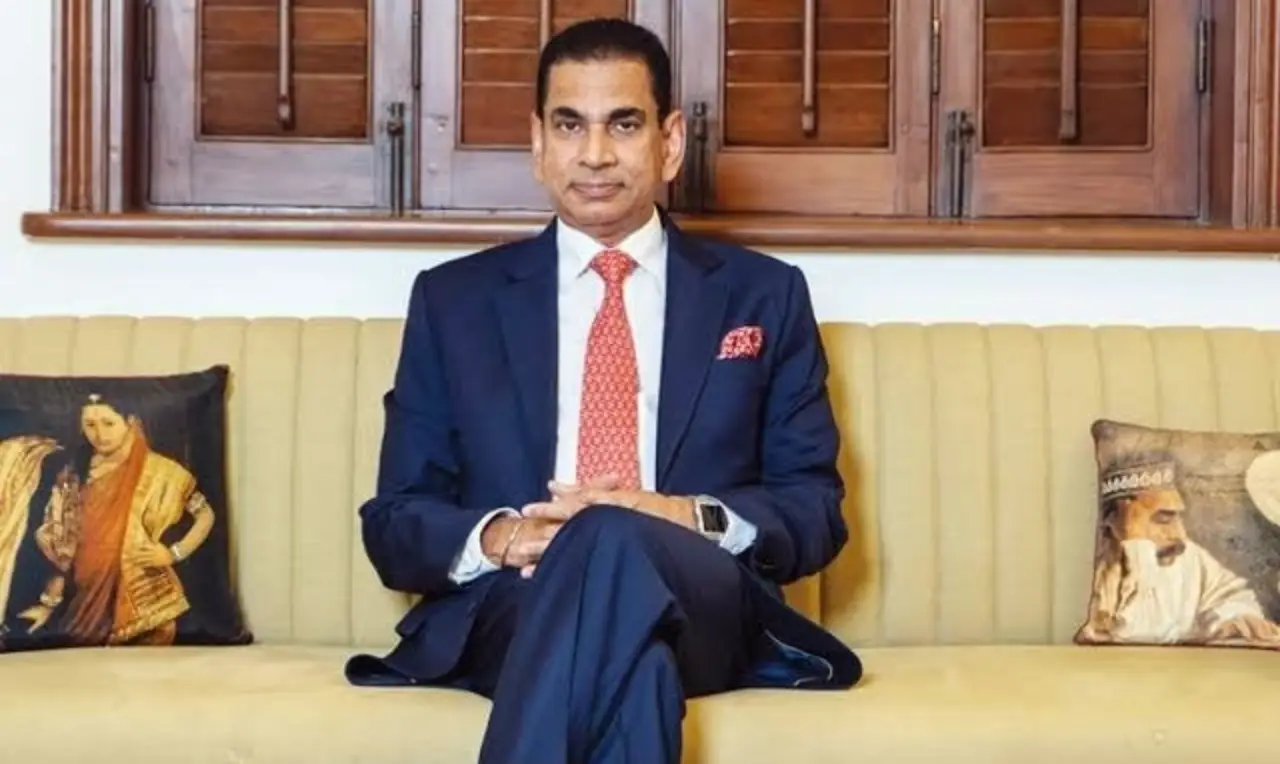
The state government has appointed senior retired Indian Administrative Service (IAS) officer Iqbal Singh Chahal as Chairman of the ambitious Mumbai Police Housing Township Project, conferring on him the rank and status equivalent to a Minister of State (MoS) for a five‑year term. The move aims to provide the leadership and administrative heft required to navigate the complex planning and execution of a large‑scale housing infrastructure project for the city’s police force, with significant implications for urban housing equity and civic resilience.
The Mumbai Police Housing Township Project is intended to deliver quality residential accommodation close to duty stations for more than 50,000 police personnel and their families who currently face long commutes due to Mumbai’s high property costs and limited housing supply near workplaces. The project’s scope includes land acquisition, infrastructure development, multi‑agency coordination and project finance strategies — tasks that require robust governance and leadership continuity. Chahal, a 1989‑batch IAS officer of the Maharashtra cadre, brings extensive administrative experience to the role, including a recent tenure as Additional Chief Secretary (Home). Before this, he served as Commissioner of the Brihanmumbai Municipal Corporation (BMC) from 2020 to 2024, where he led decentralised crisis responses and coordinated urban services during the Covid‑19 pandemic — work that highlighted the importance of integrating public safety infrastructure with living conditions.
Urban planners and housing policy experts view this appointment as pivotal for maintaining momentum on an initiative that intersects public safety, urban development, and equitable access to housing. Providing police personnel with affordable, proximate housing is expected to enhance operational readiness and reduce commute‑related stress on workers, with potential halo effects for community policing, disaster response, and overall quality of life in dense metropolitan settings. The governance model chosen — a dedicated chairperson with MoS rank — reflects the government’s recognition of the project’s complexity and civic importance. It establishes administrative authority that can coordinate across departments, streamline approvals, and align financial, legal and planning processes. Observers say that this leadership structure could serve as a template for other Indian states seeking to address sector‑specific housing deficits for critical workforce segments.
However, experts caution that governance alone will not suffice. Large‑scale urban housing projects often encounter challenges related to land use planning, environmental clearances, infrastructure financing and integration with broader transport and social services frameworks. Ensuring that residential developments are embedded within sustainable urban ecosystems — with access to schools, healthcare and green spaces — will be critical as the project moves from planning to implementation. Equally important will be structuring housing options that are affordable within public sector wage constraints and resilient against climate risks such as floods and heat stress, which disproportionately affect low‑ and middle‑income residents in megacities like Mumbai.
Chahal’s appointment marks an early leadership decision in what is likely to be a multi‑year effort to strengthen police welfare and urban housing equity. Delivering on these outcomes will depend on coordinated governance, sustainable planning practices and transparent execution — a test case for workforce‑focused urban infrastructure in India’s largest metropolitan region.