


Mumbai Metro Rail Corporation (MMRC) has partnered with private operators to introduce feeder bus services from seven key stations, including Bandra Kurla Complex, Worli, CSMT, Vidyanagari, Siddhivinayak, Cuffe Parade, and SEEPZ. The move is aimed at easing commuter access and boosting ridership on the city’s first fully underground metro line, which has struggled to meet passenger targets since its launch.
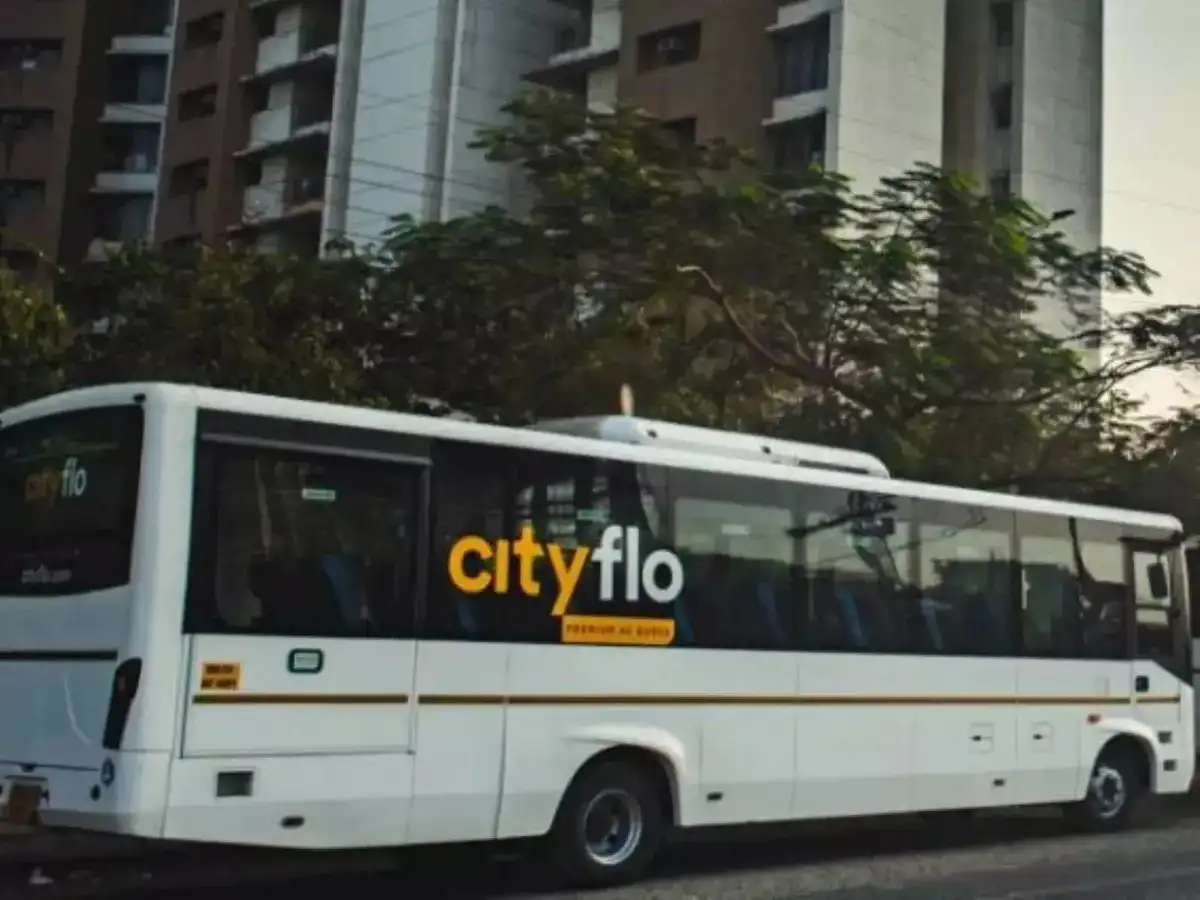
The tie-up follows a year of ridership stagnation largely attributed to poor last-mile integration. While the 12.44-km Aarey–BKC stretch opened in October 2024 and was extended to Worli in May 2025, many passengers have faced difficulty reaching their workplaces or homes due to a lack of connecting services. The new feeder network seeks to address this gap by linking major commercial and residential zones to metro stations with high-frequency buses during peak hours. The buses, operated by Cityflo and Navkar Travels, will run every ten minutes from 7 a.m. to 11 a.m. and from 4 p.m. to 8 p.m. The service will initially be a three-month trial period without financial aid to operators. Officials stated that after assessing passenger demand and feedback, route structures, fare models, and possible integration with metro ticketing systems will be finalised. Passengers will be able to book rides through Cityflo, Navkar Travels, or the Metro Connect 3 mobile app.
The decision to bring in private players comes at a time when the Brihanmumbai Electric Supply and Transport (BEST) undertaking faces an acute fleet shortage. The public operator’s fleet has fallen from 3,166 buses in late 2024 to around 2,700 this month, severely limiting its capacity to offer feeder services. By engaging private operators, MMRC aims to plug this shortfall and ensure reliable last-mile transport for metro users. The new service arrives as the Metro 3 line continues to see gradual growth in ridership. Since the Worli extension opened in May, weekday passenger counts have climbed to an average of 52,600—up from 20,000 when the route ended at BKC. Yet this remains well below the system’s design capacity, as each train can accommodate up to 2,500 passengers. Officials hope that improved last-mile convenience will make the underground metro more competitive against road-based travel.
Urban mobility experts have welcomed the initiative as a pragmatic example of public-private synergy in addressing first- and last-mile challenges that often undermine mass transit projects. They emphasised that such models not only enhance operational efficiency but also align with sustainable mobility goals by reducing dependency on private vehicles and curbing emissions. For Mumbai, where traffic congestion continues to cost hours of productive time daily, seamless multimodal connectivity is critical. The Metro 3 feeder bus service may well become a test case for integrating technology-driven private transport within a public urban network, reinforcing the city’s broader shift toward greener, more inclusive mobility solutions.
If successful, the initiative could pave the way for similar partnerships across other metro corridors in the city, turning Mumbai’s underground line into a model of efficient and sustainable urban transit.
Also Read : Navi Mumbai International Airport Inaugurated Today By PM Modi As Rs 19650 Crore Mega Project Opens
