


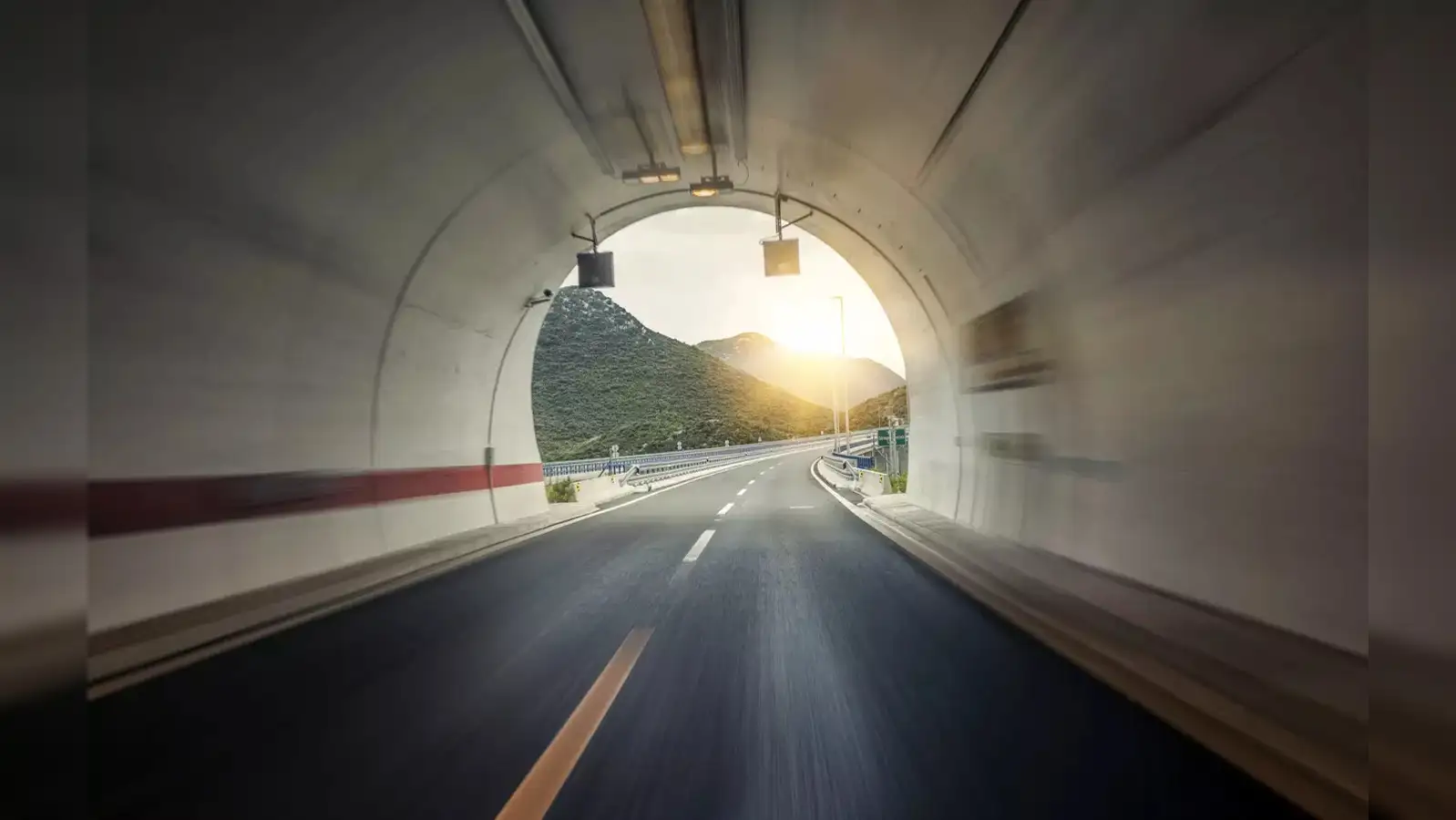
Mumbai is preparing to undertake one of its most ambitious transport upgrades with a multi-phase tunnel road network designed to ease chronic congestion and support long-term mobility needs. The planned system, currently under study by regional authorities, is expected to provide faster connections between key business districts, residential zones, and the international airport.
The concept involves creating a series of underground corridors that allow vehicles to bypass the city’s most congested surface roads. According to officials, the first phase will link the Worli coast, the Bandra-Kurla Complex, and the airport. This stretch, roughly 16 kilometres in length, is expected to significantly reduce traffic pressures along the Western Express Highway and several north-south arterial routes. Urban mobility specialists note that the project responds to a growing need for alternative road capacity that does not further strain limited land resources. A second phase, planned as an east-west connector between the Eastern and Western Express Highways, aims to improve cross-city movement. This corridor, estimated at about 10 kilometres, is expected to benefit commuters travelling between Mumbai’s residential clusters and employment hubs. Transport experts suggest that such dedicated subterranean links could help rebalance surface spaces toward public amenities, walking routes, and green corridors, supporting the city’s sustainability ambitions.
The long-term vision includes a 44-kilometre north-south tunnel spine that would form the backbone of the network. Officials involved in early planning argue that this integrated approach aligns with the region’s goal of creating a seamless, multi-modal urban transport system. The tunnel network is intended to work in tandem with Mumbai’s expanding metro system, the coastal road, and the upcoming high-speed rail corridor. Authorities overseeing the project emphasise that the development forms part of a broader strategy to reduce travel times and improve liveability across the metropolitan region. A senior planning official stated that the initiative underlines the urgency of addressing persistent congestion, which affects economic productivity, air quality, and the daily experience of millions of commuters.
The project also carries economic implications. Faster east-west and north-south movement is expected to strengthen connectivity to commercial hubs such as Bandra-Kurla Complex and South Mumbai. Industry observers anticipate that improved accessibility could stimulate investment in emerging business districts and support the real estate, retail, and hospitality sectors. Efficient freight movement, especially to and from the airport, is also likely to provide benefits for trade-dependent industries. Environmental considerations form an important part of the project’s rationale. By diverting a significant share of through-traffic underground, planners expect reduced surface-level emissions and noise. This, they argue, opens opportunities for more pedestrian-friendly streets and public spaces. Urban development experts say the shift aligns with Mumbai’s efforts to foster cleaner, more inclusive urban environments that prioritise multi-modal connectivity.
As Mumbai continues to grow, the proposed tunnel road network signals a decisive move toward building resilient, future-ready mobility infrastructure. While implementation will take time, the project reflects a clear intent to create a more efficient, sustainable, and equitable transport system for the city’s residents.
Also Read: Mumbai Resumes Elphinstone Bridge Work With Stricter Vibration Controls And Monitoring
