Mumbai’s civic administration has outlined a technology-led and sustainability-focused urban roadmap in the BMC Budget 2026–27, signalling a shift toward data-driven governance, cleaner public spaces, and improved citizen interfaces. The proposals span smart parking systems, artificial intelligence-powered civic assistance, underground infrastructure, sanitation upgrades, and structured public participation—measures that collectively aim to modernise how India’s financial capital functions on a daily basis.
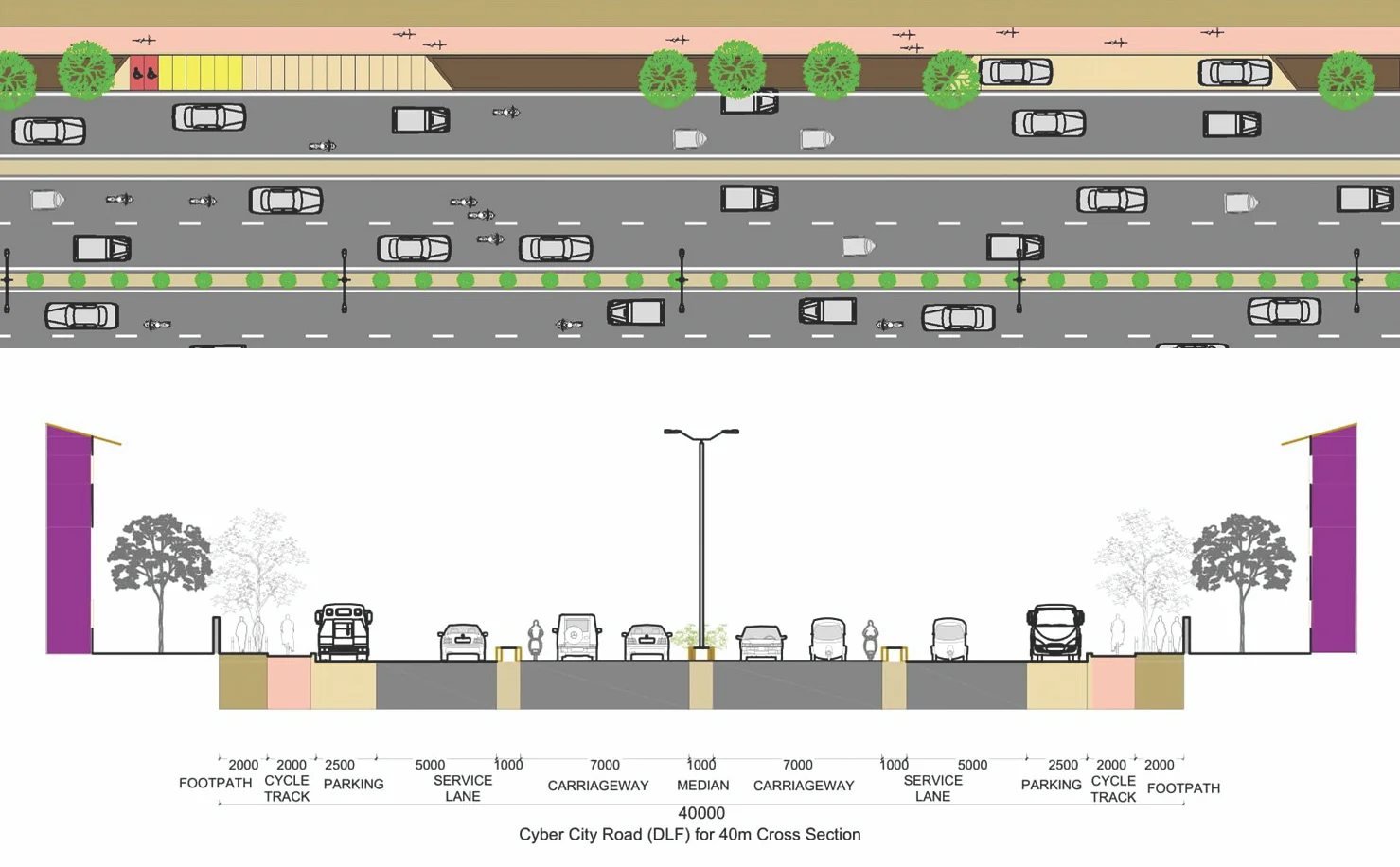
A key mobility intervention is the proposed smart parking programme, designed to address chronic on-street congestion and inefficient parking practices. The civic body has initiated the tendering process for a mobile-based parking application that will allow residents to reserve parking slots in advance near their destinations. The system will be implemented through a Public Private Partnership model across more than 530 newly identified parking locations, signalling growing reliance on private-sector execution for urban service delivery. Urban transport experts note that predictable parking availability can significantly reduce traffic circulation, fuel consumption, and local emissions. In parallel, the budget outlines plans for underground parking infrastructure in high-footfall precincts. As part of area improvement works near the Siddhivinayak Ganpati Temple, two subterranean parking levels are proposed to ease surface congestion in one of the city’s busiest religious zones. Planners view underground parking as a land-efficient strategy in dense urban areas where surface space is scarce and contested. The civic body has also proposed constructing landmark entry gateways with clock towers at four major access points into the city. While locations are yet to be finalised, officials say the intent is to strengthen Mumbai’s visual identity and improve the quality of arrival experiences—an increasingly important consideration for global cities balancing infrastructure growth with placemaking.
On the governance front, digital inclusion features prominently. An AI-powered “Citizen Coach” is under development to guide residents through online municipal services using step-by-step digital walkthroughs. The initiative is being supported through a formal collaboration with Indian Institute of Technology Bombay, enabling the use of advanced analytics and predictive modelling to improve service delivery and administrative decision-making. The budget also advances social and environmental governance. QR code-based certification for authorised hawkers is progressing, aimed at improving transparency and reducing disputes in public spaces once statutory committees are in place. Separately, an Environmental Festival Project is planned to scientifically manage waste generated during large-scale festivities, addressing long-standing concerns around water pollution and landfill pressure.
Citizen participation is being institutionalised through “Participate Mumbai”, a digital platform enabling structured collaboration between residents, civil society organisations, and corporates in areas such as cleanliness, public health, education, and women’s empowerment. A dedicated civic cell will oversee compliance and execution. Finally, sanitation investments under Swachh Bharat Abhiyan 2.0 will expand community toilets, household sanitation, and year-long cleanliness campaigns—reinforcing the link between public health, dignity, and equitable urban living.
Taken together, the BMC Budget 2026–27 reflects a broader recalibration of urban governance—where technology, sustainability, and citizen engagement are positioned as essential infrastructure for Mumbai’s next phase of growth.
Mumbai Plans Data Driven Parking and Green Upgrades