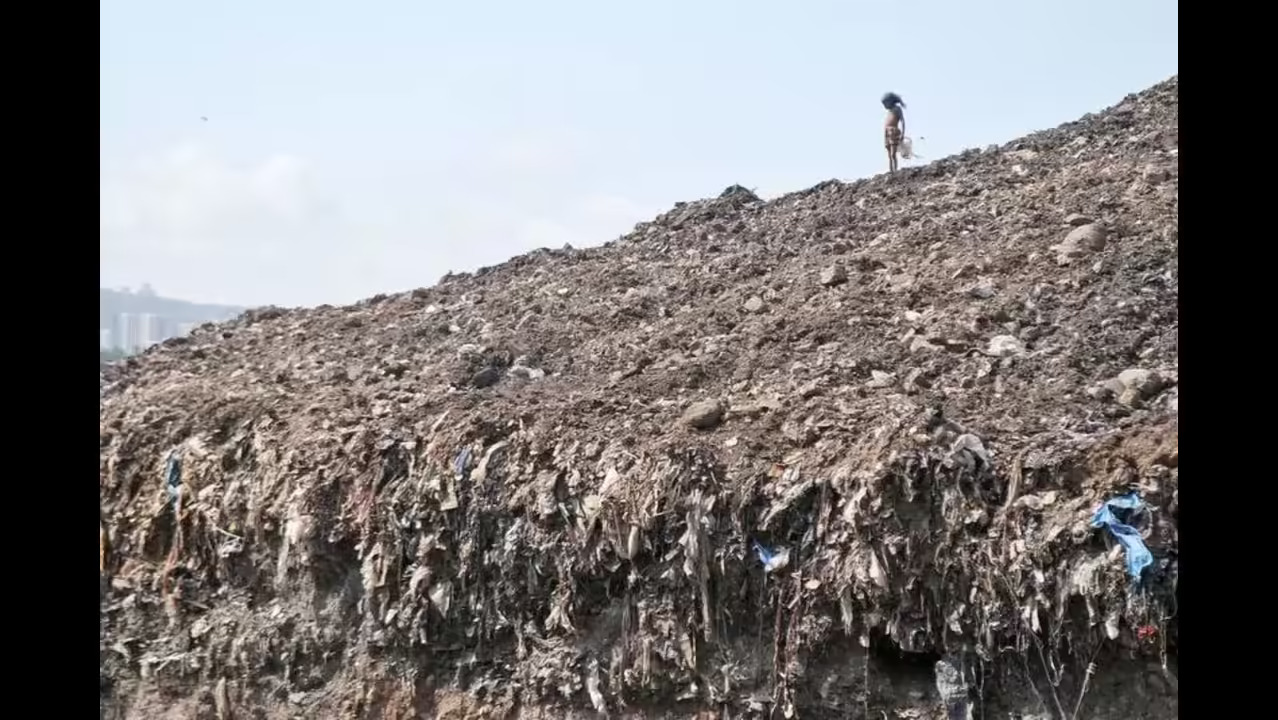
Mumbai is exploring a novel strategy to move inert and construction debris from the Deonar landfill to designated sites in Navi Mumbai as part of an ambitious bioremediation initiative aimed at clearing 185 lakh tonnes of legacy waste. Officials confirmed that while road transport remains the primary mode, the city is assessing the feasibility of using barges along the Thane Creek to ease congestion and reduce carbon emissions.
The proposed plan, developed in consultation with the appointed contractor, outlines the movement of processed waste to Ulwe. Officials emphasised that alternative sea routes will only be employed if technically and environmentally viable, following comprehensive regulatory approvals. The initiative forms part of the broader effort to integrate sustainable urban waste management practices with major redevelopment projects. “The transportation strategy incorporates environmental safeguards, including dust suppression, emission control, and noise monitoring,” said a senior municipal official. “BSVI-compliant vehicles, speed regulations, and real-time GPS tracking will ensure minimal impact on public health and traffic flow.” Peak-hour avoidance has been included to prevent congestion during morning, midday, evening, and night travel periods, complemented by dedicated traffic personnel at critical intersections.
The contractor, Navyuga Engineering, has highlighted plans for repurposing inert and C&D material, as well as refuse-derived fuel, for ongoing construction in the Dharavi redevelopment project and for supply to cement manufacturing units. Officials note that the initiative aligns with eco-friendly construction goals while reducing dependency on natural resources. To overcome logistical bottlenecks, the project has identified an alternate route via the Ghatkopar sewage treatment plant, although this will require the construction of a connecting bridge. The municipal authority has also factored in emergency response protocols, regular safety audits, and maintenance schedules to safeguard operational efficiency and public welfare.
This waste transportation project forms a critical part of the city’s larger zero-waste agenda. By evaluating barge-based movement, Mumbai may significantly reduce road traffic emissions while providing a scalable model for environmentally conscious urban infrastructure operations. Experts say that integrating waterways into urban logistics could redefine city-level waste management while preserving ecological balance in sensitive coastal zones. Officials anticipate that securing the necessary approvals for both road and water-based transport could take up to six months. The project is expected to set a benchmark for the sustainable handling of legacy landfill material, with a strong emphasis on regulatory compliance, public safety, and environmental stewardship.
With over 185 lakh tonnes of waste awaiting processing, the initiative underscores Mumbai’s commitment to reducing landfill dependency while implementing innovative, low-carbon transport solutions. By integrating advanced monitoring systems, alternative transport routes, and eco-friendly material utilisation, the city aims to ensure that the Deonar legacy waste project achieves both efficiency and sustainability.
Mumbai Plans Barge Transport For Deonar Inert Waste To Navi Mumbai