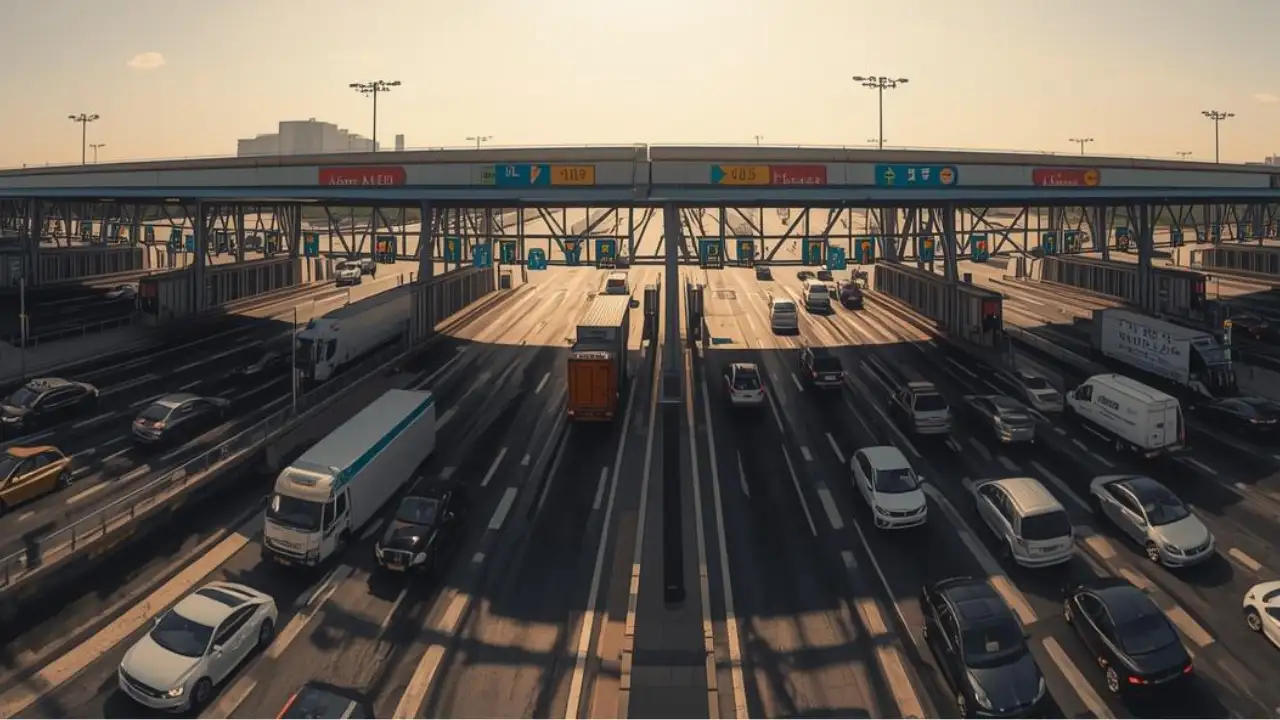
Mumbai is preparing to introduce an Artificial Intelligence (AI)-powered toll collection system aimed at improving traffic efficiency and reducing vehicular pollution across the city’s toll plazas. A pilot project is expected to begin soon at Dahisar toll naka, one of the busiest entry points to the metropolis.
According to officials, the initiative seeks to replace conventional toll booths with automated, sensor-based systems that can identify vehicles, verify ownership details, and process toll payments directly from linked bank accounts. The project is designed to eliminate the need for vehicles to stop, thereby reducing waiting times and improving overall traffic flow. The system will use high-definition cameras, machine learning algorithms, and vehicle recognition technology to categorise vehicles accurately and deduct tolls in real-time. “The new AI-driven approach aims to streamline toll management, enhance transparency, and significantly cut down congestion,” an official explained.
Beyond convenience, the government views the move as a step towards smarter, more sustainable mobility in urban India. Experts said that traffic congestion at toll plazas contributes heavily to carbon emissions due to idling vehicles. A seamless AI system, by minimising stop-and-go traffic, could substantially lower emissions and improve air quality in congested zones such as Dahisar. The pilot’s success would pave the way for the system’s expansion across other toll points in the Mumbai Metropolitan Region. The Maharashtra government is also expected to collaborate with agencies such as the National Highways Authority of India and local police to ensure smooth integration and enforcement.
Urban mobility analysts have welcomed the proposal, calling it a “necessary digital intervention” for India’s megacities. They emphasised that AI-based tolling aligns with the broader objective of developing smart, low-carbon transport systems that prioritise efficiency and citizen convenience. If implemented successfully, Mumbai could set a precedent for other Indian cities to adopt similar models, supporting national efforts to build technologically advanced, sustainable transport infrastructure.
The project also complements India’s push for digital payments and smart governance, where technology enables faster, cleaner, and more equitable public services. For citizens, the AI tolling system could translate to reduced commute times, smoother travel experiences, and a tangible contribution towards a greener, less congested Mumbai.
Mumbai Plans AI-Based Toll System To Ease Traffic At Dahisar Naka