


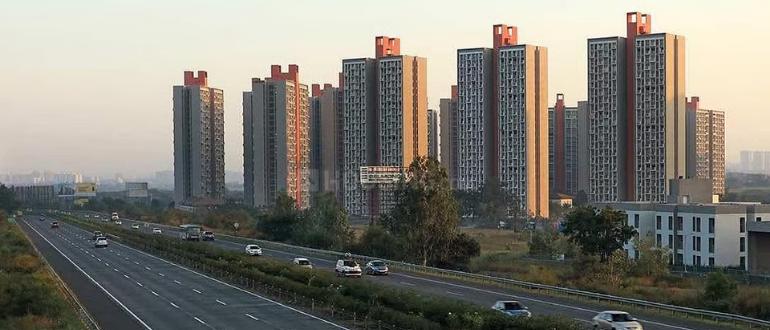
Affordable housing development in Mumbai’s extended suburbs is gaining renewed traction, as focused private initiatives seek to bridge long-standing gaps in access to formal home ownership. In fast-growing corridors such as Vasai, Virar and Nala Sopara, a series of new residential projects is reshaping how lower-income households engage with the formal housing market, offering an alternative to informal settlements and insecure tenure.
These suburban belts, once viewed as peripheral, have increasingly become central to Mumbai’s housing future. Improved rail connectivity, expanding road networks and relatively lower land costs have positioned them as viable destinations for families priced out of the city’s core. Urban planners note that the scale of housing demand in these areas reflects a structural shift, with population growth outpacing the availability of affordable, legally compliant homes closer to the island city. Developments in these corridors are aimed primarily at first-time buyers and households transitioning from informal housing. Industry experts say the emphasis on regulatory compliance, clear land titles and access to formal finance is particularly significant. For many families, the absence of legal documentation has historically limited access to mortgages, social security benefits and long-term financial stability. Affordable housing in the extended suburbs, when properly sanctioned, can play a critical role in reversing this exclusion. Affordability remains the defining factor. Entry-level pricing in some projects has been structured to align with the purchasing capacity of low-income and lower-middle-income households, subject to eligibility norms. Housing economists caution, however, that price alone is not sufficient. “True affordability also depends on transport costs, access to jobs, schools and healthcare,” said a senior urban policy researcher, pointing to the need for integrated planning rather than isolated housing clusters.
From a civic perspective, the growth of affordable housing in Vasai-Virar-Nala Sopara has implications for local governance and infrastructure provision. As population density increases, municipal bodies will need to scale up water supply, sewage systems, solid waste management and climate-resilient drainage. These areas are particularly vulnerable to flooding during intense monsoons, making resilient design and infrastructure coordination essential. The economic impact of such housing initiatives extends beyond residents. Construction activity and allied services have generated steady employment for hundreds of workers, including contractors, suppliers and sales intermediaries. Local economies benefit from increased consumer spending, while formalisation of housing assets contributes to a broader tax base over time. Looking ahead, experts argue that affordable housing in Mumbai’s extended suburbs must be supported by long-term transport investment and environmental safeguards.
If aligned with transit-oriented development and low-carbon construction practices, these projects could ease pressure on the city’s overstretched core while offering dignified living conditions. As Mumbai continues to expand outward, the success of its affordable housing strategy will depend on whether growth in the periphery translates into opportunity, resilience and genuine inclusion for its residents.
Also Read: Piramal Realty Shapes Mumbai Through Urban Design
Mumbai Peripheral Corridors Emerge Affordable Housing Hub
