


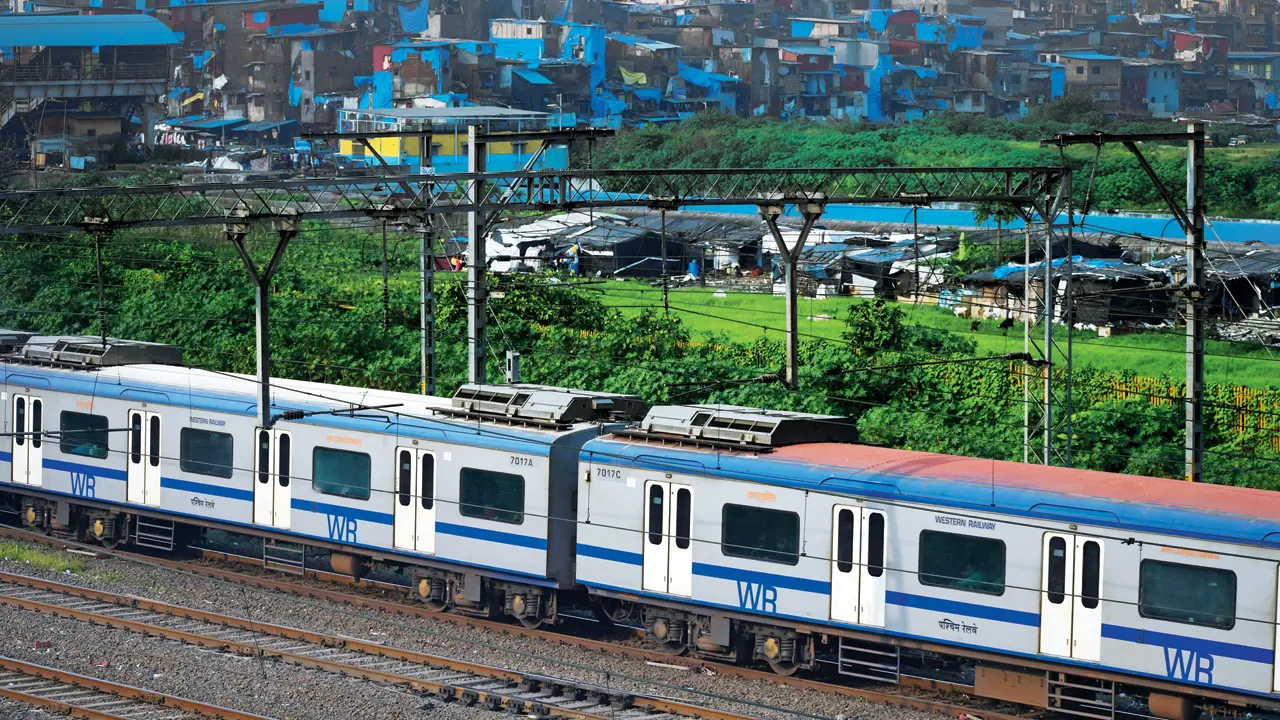
Mumbai’s suburban railway network is grappling with a surge in digital fare evasion, as commuters increasingly manipulate mobile train tickets on the Unreserved Ticketing System (UTS) app. Officials have detected multiple instances of forged QR codes and edited screenshots, particularly on air-conditioned local and express services, prompting intensified on-train verification measures.
Over the past two years, Mumbai’s rail authorities have uncovered a pattern of passengers using image-editing tools to create counterfeit mobile tickets. What began as minor tampering of monthly passes in 2023 has evolved into sophisticated digital forgeries that mimic genuine UTS app tickets. Officials confirmed that these fraudulent tickets often appear authentic at first glance but fail instant verification on the handheld terminals used by ticket examiners. According to railway sources, the latest incident occurred on the AC Virar Slow Local earlier this week, when a vigilant ticket inspector flagged inconsistencies in a passenger’s mobile ticket. The verification system revealed that the ticket number was invalid, confirming it was fabricated. A case was immediately registered under the Railways Act, underscoring the seriousness of such offences.
“Technology has made travel convenient, but it’s also being exploited,” said a senior railway official. “We are now cross-verifying every ticket generated on UTS to ensure authenticity, especially during evening peak hours on AC routes.” Data from Western Railway between 2023 and 2025 indicates a steady rise in such digital frauds. From forged monthly passes and fake staff IDs to counterfeit QR codes, the number of reported incidents has doubled year-on-year. Railway staff attribute this trend to the growing accessibility of editing software and the misconception that digital tampering is harder to detect. Experts say this emerging pattern raises broader questions about the security of public digital systems. As cities adopt smart ticketing and cashless mobility solutions, ensuring cybersecurity and public trust will be critical.
“The shift to digital ticketing must come with stronger verification algorithms and cross-linked servers that flag duplicate or invalid codes in real time,” noted an urban mobility researcher. Rail officials have confirmed that Western Railway is coordinating with the Centre for Railway Information Systems (CRIS) to strengthen UTS app authentication. Plans include integrating blockchain-based verification tools and AI-driven fraud detection over the next year. The initiative aligns with broader goals to promote sustainable, tech-enabled, and transparent public transport in India’s largest metropolitan region.
Also Read: Mumbai To Rebuild Unsafe Mahim School on Same Land, Says BMC
