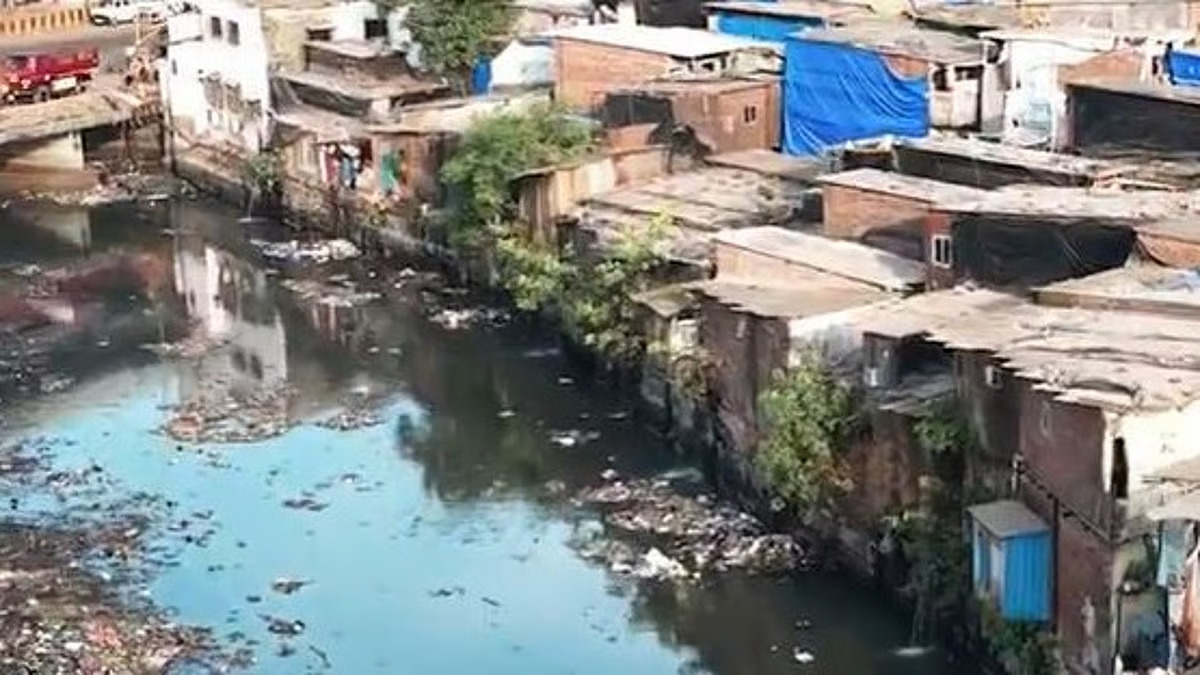
Mumbai is set to introduce large-scale plastic interception systems in two of its most polluted waterways as civic and environmental authorities move to curb the flow of urban waste into the sea. The initiative, planned for phased rollout beginning during the 2026 monsoon, reflects a growing shift towards preventive environmental infrastructure rather than post-pollution cleanup.
The programme brings together the Brihanmumbai Municipal Corporation, the Maharashtra Pollution Control Board and The Ocean Cleanup, a Netherlands-based non-profit specialising in river and ocean plastic interception. Under the collaboration, floating barrier systems designed to trap plastic debris will be installed at the Malad and Trombay waterways, both identified as major conduits of waste entering marine ecosystems. According to officials involved in the project, the two sites were selected following data-driven assessments of plastic leakage volumes and hydrological behaviour. Once fully operational, the systems are expected to recover an estimated 61 to 92 tonnes of plastic waste annually before it reaches the Arabian Sea and the wider Indian Ocean.
Environmental researchers point out that Mumbai’s geography, marked by dense urbanisation, tidal creeks and monsoon-driven runoff, makes it particularly vulnerable to land-based plastic pollution. Studies indicate that plastic constitutes the majority of marine litter found along India’s coastline, with metropolitan regions like Mumbai acting as high-intensity leakage points due to population density, consumption patterns and gaps in waste segregation. The scale of the challenge extends beyond environmental damage. Plastic pollution affects mangrove ecosystems, coastal biodiversity and livelihoods linked to fishing, tourism and informal recycling. Urban planners note that preventing plastic from entering waterways also reduces downstream costs associated with dredging, flood management and coastal cleanup, offering long-term economic and resilience benefits.
The Mumbai deployment forms part of a broader global strategy focused on intercepting plastic in rivers before it disperses into oceans. Research suggests that a relatively small number of urban waterways worldwide account for a disproportionate share of ocean-bound plastic, making targeted interventions more effective than diffuse cleanup efforts. Mumbai has been identified as a priority city within this approach due to the scale of its plastic discharge and the ecological sensitivity of its coastal zones. Civic officials emphasise that the barriers are not a substitute for solid waste management reforms but a complementary measure. Source segregation, collection efficiency and behavioural change remain critical to reducing plastic generation. The interception systems, however, provide an immediate buffer as longer-term waste reforms are scaled up.
As installation timelines move closer, authorities are expected to finalise maintenance protocols, waste offloading systems and data monitoring mechanisms. If successful, the project could serve as a template for similar interventions across other Indian coastal cities, reinforcing the role of infrastructure-led solutions in building climate-resilient, people-first urban environments.
Mumbai Partners Global NGO To Tackle Waterway Plastic