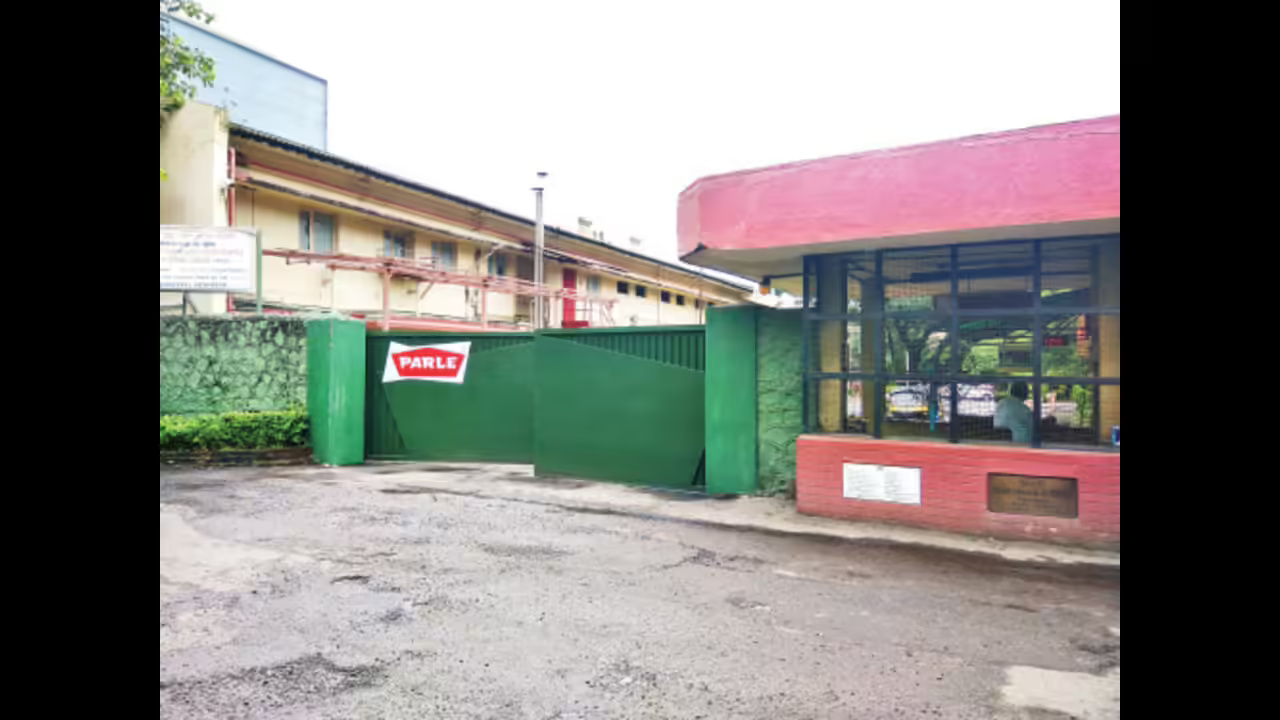
A long-established manufacturing precinct in Mumbai’s Vile Parle East is set to enter a new phase of urban use, after state-level environmental regulators cleared a large commercial redevelopment proposal for the site. The approval signals a broader shift underway across Mumbai, where legacy industrial land is increasingly being repurposed to meet the city’s evolving commercial and employment needs amid tightening land availability.
According to documents reviewed by Urban Acres, the redevelopment has received environmental clearance from the Maharashtra State Environment Impact Assessment Authority, paving the way for construction activity to commence in the coming months. Civic permissions for initiating work have also been secured, indicating that the project has crossed key regulatory thresholds. Officials associated with the project confirmed that preparatory activity is expected to begin shortly, though detailed timelines remain undisclosed. The redevelopment is planned across a contiguous land parcel spanning more than 13 acres, positioning it among the larger commercial transformations currently underway in Mumbai’s western suburbs. Urban planners note that Vile Parle’s proximity to transport corridors, residential neighbourhoods, and the airport has made it a focal point for redevelopment interest as businesses seek decentralised office hubs outside traditional commercial districts.
Project submissions indicate that the existing built fabric on the site—comprising over 20 ageing structures—will be dismantled to make way for a new commercial campus. The proposed development will include multiple office buildings supported by dedicated parking infrastructure and essential services. Building heights have been deliberately capped to align with aviation safety norms, as the site falls within an airport-influenced regulatory zone. From a planning perspective, the land parcel sits within industrial and partially residential zoning under Mumbai’s Development Plan 2034 and is not burdened by public reservations. The project is being executed under a development regulation that enables redevelopment of industrial plots, a mechanism increasingly used to unlock land value while reshaping the city’s employment geography.
Environmental management forms a visible component of the proposal. While some tree removal has been permitted, the project includes large-scale compensatory plantation and on-site greening, including dense native tree clusters and publicly accessible recreational green space beyond mandatory requirements. Urban environment experts say such measures are becoming critical as redevelopment intensifies in land-scarce neighbourhoods. With an estimated investment running into several thousand crore rupees, the project underscores the scale of capital flowing into Mumbai’s commercial real estate market, even as developers and regulators face growing pressure to balance growth with liveability. For the city, the redevelopment reflects a broader transition—from factory-led land use to office-driven economic activity—raising questions about infrastructure readiness, mobility planning, and climate resilience.
As construction moves closer, attention will turn to how effectively the project integrates with surrounding neighbourhoods, manages traffic impact, and delivers long-term environmental value—factors that will increasingly define the success of Mumbai’s next generation of urban redevelopment.
Mumbai Parle G Factory Land Slated for Redevelopment