


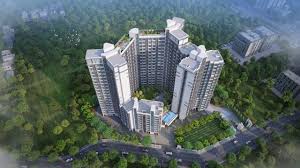
A landmark redevelopment in Pali Hill has moved into its final phase after Ashar Group secured an Occupancy Certificate (OC) for its luxury residential tower built on the former bungalow site of Dilip Kumar. The approval enables homeowners to legally take possession and marks the culmination of one of Bandra’s most closely watched heritage-linked projects.
The development, branded The Legend, stands in Pali Hill one of Mumbai’s most expensive residential enclaves. According to company disclosures, the OC has been obtained significantly ahead of the project’s original regulatory completion timeline, an uncommon achievement in a city where approval cycles and construction complexities often extend delivery schedules. The project replaces a standalone bungalow with a vertical residential structure comprising large-format four- and five-bedroom apartments, including duplex units. It also incorporates a dedicated museum space honouring the late actor’s legacy a feature that blends private housing with cultural remembrance in a micro-market steeped in cinematic history. Pali Hill has long commanded premium valuations due to its low-density character, tree-lined streets and proximity to the Bandra business and entertainment district. Local brokers estimate that luxury projects in the area regularly transact above Rs 1.3 lakh per sq ft, with select developments crossing higher thresholds depending on view corridors and inventory scarcity. Urban redevelopment in such heritage-sensitive precincts often involves balancing conservation sentiment with the economics of land utilisation. As ageing bungalows give way to vertical residences, planners and conservationists debate how to preserve neighbourhood character while addressing rising housing demand and infrastructure constraints.
From a market perspective, the early receipt of an Occupancy Certificate reduces risk for buyers and strengthens developer credibility. In Mumbai’s premium segment, where transactions frequently exceed Rs 50 crore per unit, regulatory compliance and timely handover play a decisive role in buyer confidence. Analysts suggest that projects associated with cultural icons carry intangible brand equity, potentially influencing demand and price realisation. However, sustained value appreciation ultimately depends on location fundamentals, build quality and long-term maintenance frameworks. As Mumbai continues to densify through redevelopment, projects like this highlight the evolving intersection of legacy properties and contemporary urban form. The transition from bungalow estates to vertical luxury living reflects broader pressures in a land-constrained metropolis.
With the Occupancy Certificate now in place, the focus shifts to resident move-ins and operational readiness. For Pali Hill, the project adds another high-rise to a skyline increasingly defined by redevelopment a reminder that even the city’s most storied addresses are being reshaped by modern housing economics.
Also Read: Mumbai Borivali Luxury Tower Design Reveal
Mumbai Pali Hill Redevelopment Clears OC
