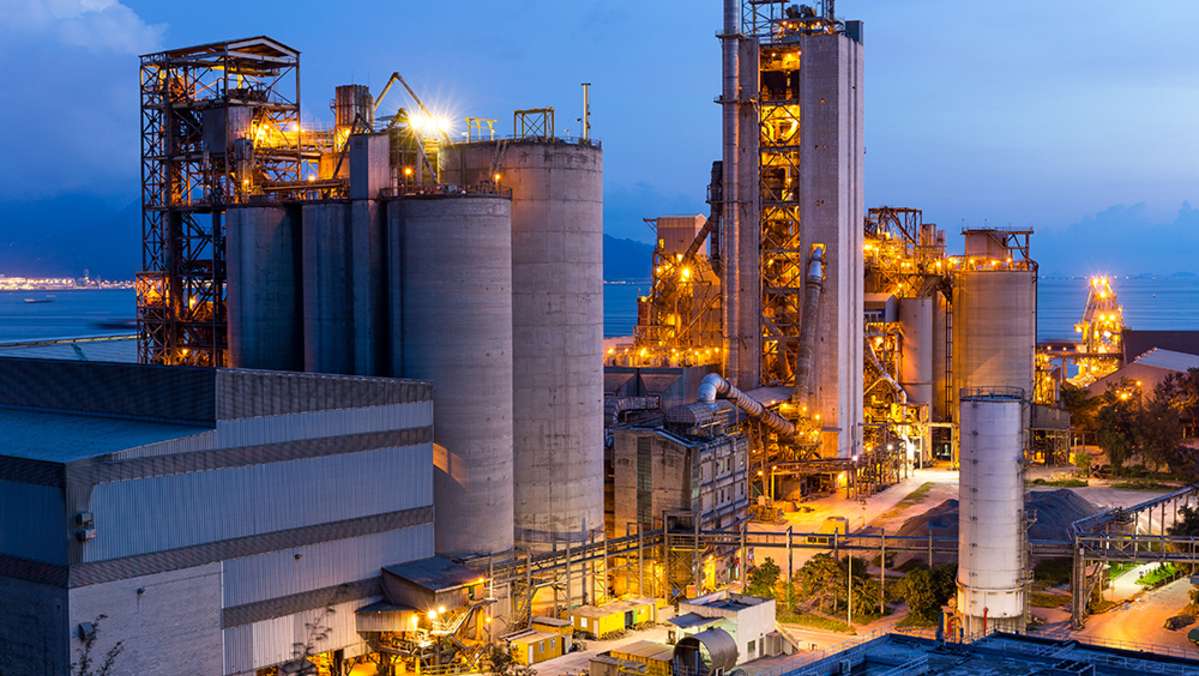
Mumbai Orders Closure Of Nineteen RMC Plants Amid Strict Pollution Control Enforcement
Mumbai’s air quality has shown marginal improvement this week after the Maharashtra Pollution Control Board (MPCB) ordered the closure of 19 Ready-Mix Concrete (RMC) units across the metropolitan region for violating pollution-control norms. The decision comes during heightened monitoring of particulate emissions linked to construction, industry operations, and waste burning — factors consistently driving Mumbai’s Air Quality Index (AQI) into the ‘poor’ category in recent months.
According to MPCB officials, the shutdown follows a compliance audit of RMC plants operating in Mumbai, Navi Mumbai, Thane, and Kalyan. The inspection reportedly found several units running without adequate dust-mitigation systems such as mist cannons, covered conveyor belts, or enclosed batching areas. “Plants that failed to meet mandatory conditions have been directed to stop operations until corrective measures are in place,” an MPCB official said. Of the facilities facing closure, four are located in Deonar–Govandi, an area already vulnerable to industrial emissions and legacy waste fumes. Eight units were shut in Thane, six in Navi Mumbai, and one in Kalyan.
Industry observers say the action may temporarily disrupt concrete supply for ongoing public-infrastructure contracts, but argue the environmental intervention was necessary. The crackdown follows separate action earlier this month, where illegal metal furnaces in Sion were dismantled after being found to be operating without permissions or pollution safeguards. The MPCB has also directed the Mumbai Port Authority to prevent waste-burning instances along the Wadala–Mahul belt, where teams detected evening smog believed to originate from open combustion. Despite the enforcement measures, air-quality variation remains stark across neighbourhoods.
CPCB data recorded a citywide AQI reading of 128 — considered ‘moderate’ — but several localities continue to experience unhealthy PM2.5 levels. Kherwadi in Bandra East registered the highest recorded spike, touching an AQI of 196, while Shivaji Nagar and Sewri continued to remain above the city average. Meteorology also remains a factor. The India Meteorological Department noted a slight increase in nighttime temperatures and a shift in northerly winds — conditions that may support gradual dispersion of suspended particles. “Minimum temperatures will fluctuate mildly, but inversion layers may still trap pollutants during evening hours,” an IMD scientist explained.
Urban planners argue that enforcement must run parallel to long-term reforms such as sustainable construction materials, decentralised industrial zoning, and improved waste governance. With Mumbai accelerating its infrastructure transformation, experts emphasise that cleaner operations are central to creating a liveable and equitable urban future — not an afterthought of growth.