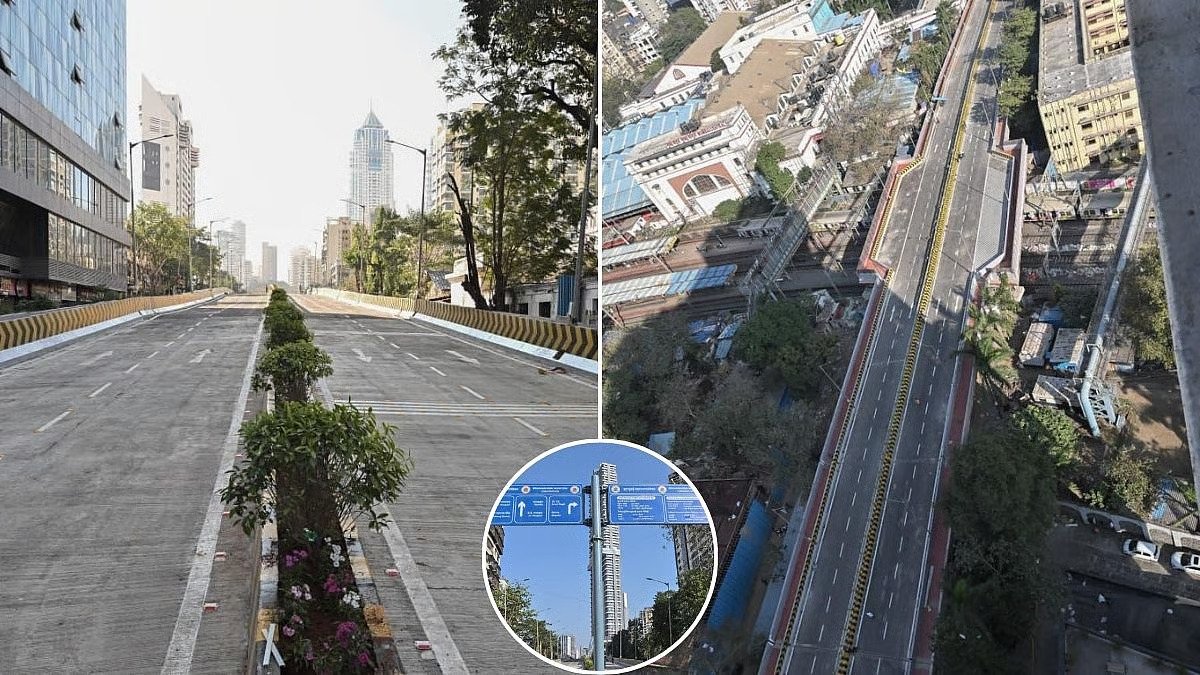
A long-pending rail overbridge linking two dense south Mumbai precincts is set to open to public traffic this week, marking one of the fastest completions of a major urban road project in the city’s recent history. The new elevated corridor connects Tardeo with Mumbai Central railway station, offering direct east–west connectivity across a heavily congested railway stretch.
Civic officials confirmed that the flyover, built over active suburban rail lines, will be operational following a formal inauguration conducted virtually by senior state and civic leadership. Once opened, the structure is expected to significantly ease bottlenecks that have long constrained vehicle and pedestrian movement in this part of the city. What sets this project apart is not only its strategic location, but also its delivery timeline. The flyover was completed nearly 15 months ahead of its original deadline—an uncommon outcome for infrastructure projects in tightly packed urban environments. Urban planners point to streamlined approvals, phased construction, and improved coordination with rail authorities as key contributors to the accelerated schedule.
Spanning 333 metres, the structure includes a central rail crossing of nearly 37 metres, designed to maintain uninterrupted train operations beneath. The carriageway has been laid out to standard urban specifications, while wide footpaths on both sides mark a shift towards safer pedestrian integration—an often-overlooked element in road infrastructure across Indian cities. From an urban mobility perspective, the flyover is expected to reduce surface-level congestion on arterial roads leading to the Mumbai Central area, particularly during peak commuting hours. Transport experts note that even small reductions in intersection delays in this zone can have citywide ripple effects, given its proximity to major hospitals, commercial hubs, and intercity rail terminals.
The project also carries wider implications for sustainable urban transport. By shortening travel distances and cutting idle time at rail crossings, the corridor could contribute to lower vehicular emissions in one of Mumbai’s most traffic-stressed belts. While flyovers are not a substitute for mass transit, planners argue that targeted road interventions remain critical in locations where rail lines act as physical barriers between neighbourhoods. Civic officials indicated that the structure is officially classified as a railway overbridge rather than a named landmark, reflecting a move away from symbolic naming towards functional urban assets. The focus, they said, remains on operational readiness, safety compliance, and integration with surrounding road networks.
As Mumbai continues to balance densification with mobility needs, the early delivery of the Bellasis Flyover offers a case study in how focused execution can unlock immediate benefits. The next test will lie in ensuring that such gains are complemented by investments in public transport, walkability, and traffic management—so that infrastructure additions translate into lasting urban relief rather than short-term diversion.
Mumbai Opens Early Rail Flyover Linking Central Precincts